
8 Ways To Eat And Exercise For Quick Weight Loss
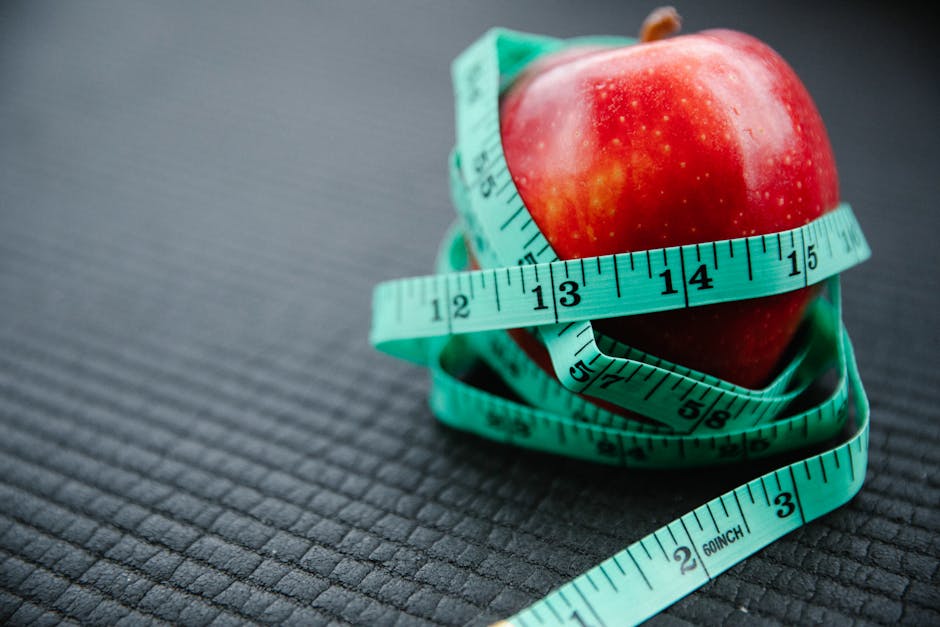
8 Strategies for Rapid Weight Loss Through Diet and Exercise
Achieving rapid weight loss necessitates a strategic, dual approach combining optimized nutrition with consistent physical activity. This isn’t about crash diets or extreme workouts but rather implementing evidence-based methods that create a sustainable caloric deficit while preserving muscle mass and metabolic function. The following eight strategies outline a comprehensive plan for accelerated, yet healthy, weight reduction.
1. Prioritize Protein Intake for Satiety and Muscle Preservation. Protein is a macronutrient that significantly impacts weight loss by increasing satiety, thermogenesis, and muscle protein synthesis. Consuming adequate protein throughout the day helps you feel fuller for longer, reducing overall calorie intake and mitigating hunger pangs. Furthermore, during a caloric deficit, protein intake is crucial for preserving lean muscle mass. Muscle tissue is metabolically active, meaning it burns more calories at rest than fat tissue. Losing muscle can therefore slow down your metabolism. Aim for approximately 0.7 to 1 gram of protein per pound of your target body weight daily. Excellent sources include lean meats (chicken breast, turkey, lean beef), fish, eggs, dairy products (Greek yogurt, cottage cheese), legumes, tofu, and protein supplements if necessary. Distributing protein intake across meals and snacks can further enhance its satiety-boosting effects. Consider incorporating a protein source into every meal and snack to maintain a steady supply for muscle repair and satiety.
2. Embrace a Low-Carbohydrate, Whole Foods-Focused Diet. While not all low-carb diets are created equal, a strategic reduction in refined carbohydrates and an emphasis on whole, unprocessed foods can accelerate weight loss. Refined carbohydrates, such as white bread, sugary cereals, and pasta, are quickly digested, leading to rapid blood sugar spikes and subsequent crashes that can trigger cravings and overeating. By replacing these with complex carbohydrates from vegetables, fruits, and whole grains (in moderation), you promote more stable blood sugar levels, reduce insulin resistance, and increase satiety. Focus on nutrient-dense, low-calorie foods like leafy greens, cruciferous vegetables, berries, lean proteins, and healthy fats. These foods provide essential vitamins, minerals, and fiber, which are vital for overall health and can contribute to a feeling of fullness. The principle here is to swap high-glycemic index, low-nutrient foods for those that offer sustained energy and micronutrient benefits, directly contributing to a reduced caloric intake without compromising nutritional value.
3. Implement Intermittent Fasting (IF) Strategically. Intermittent fasting is an eating pattern that cycles between periods of voluntary fasting and non-fasting. It’s not about what you eat but when you eat. Common IF protocols include the 16/8 method (16 hours of fasting, 8-hour eating window) or the 5:2 diet (eating normally five days a week, restricting calories significantly on two non-consecutive days). IF can promote weight loss by naturally reducing overall calorie intake, as a shorter eating window often means fewer opportunities to consume calories. It can also positively influence hormonal profiles related to fat burning, such as increasing norepinephrine and decreasing insulin levels. When combining IF with a nutrient-dense diet during the eating window, the caloric deficit required for weight loss becomes more manageable and sustainable. It’s important to stay adequately hydrated during fasting periods with water, black coffee, or unsweetened tea. Listen to your body and gradually adjust to fasting periods to avoid undue stress.
4. Incorporate High-Intensity Interval Training (HIIT) for Enhanced Calorie Burn. HIIT involves short bursts of intense anaerobic exercise alternated with brief recovery periods. This training methodology is highly effective for calorie expenditure in a shorter timeframe compared to steady-state cardio. During HIIT sessions, your body works at a high percentage of its maximum heart rate, leading to a significant calorie burn during the workout itself. More importantly, HIIT triggers the "afterburn effect" or EPOC (Excess Post-exercise Oxygen Consumption), meaning your metabolism remains elevated for hours after the workout as your body recovers and replenishes its oxygen stores. This translates to continued calorie burning even at rest. Examples of HIIT include sprints, burpees, jump squats, and cycling intervals. Aim for 2-3 HIIT sessions per week, allowing for adequate recovery days between intense workouts to prevent overtraining and injury.
5. Engage in Regular Strength Training to Boost Metabolism. Strength training, also known as resistance training, is paramount for sustainable weight loss, especially when aiming for rapid results. While cardiovascular exercise burns calories during the activity, strength training builds and preserves lean muscle mass. As previously mentioned, muscle tissue is more metabolically active than fat tissue, meaning it burns more calories at rest. The more muscle you have, the higher your resting metabolic rate will be, contributing to a greater daily calorie expenditure. This effect is crucial for long-term weight management and preventing weight regain. Furthermore, strength training improves body composition, leading to a leaner, more toned physique. Focus on compound exercises that work multiple muscle groups simultaneously, such as squats, deadlifts, bench presses, overhead presses, and rows. Aim for 2-3 full-body strength training sessions per week, ensuring progressive overload by gradually increasing the weight, repetitions, or sets over time.
6. Master Portion Control and Mindful Eating. Rapid weight loss hinges on consistently consuming fewer calories than you expend. Mastering portion control is fundamental to achieving this caloric deficit. Be aware of standard serving sizes and avoid oversized portions, even of healthy foods. Using smaller plates and bowls can psychologically trick your brain into feeling satisfied with less food. Alongside portion control, practicing mindful eating is essential. This involves paying full attention to your food, its taste, texture, and aroma, and recognizing your body’s hunger and fullness cues. Avoid distractions like television or your phone while eating, as these can lead to mindless overconsumption. Eat slowly, chew your food thoroughly, and take breaks between bites to allow your brain to register satiety signals, which typically take about 20 minutes to kick in. This conscious engagement with your meals helps prevent overeating and fosters a healthier relationship with food.
7. Optimize Hydration for Metabolism and Satiety. Water plays a critical role in numerous bodily functions, including metabolism and weight management. Staying adequately hydrated can boost your metabolic rate, aiding in calorie expenditure. Sometimes, thirst can be mistaken for hunger, so drinking water before meals can help you feel fuller and consume fewer calories. Furthermore, water is essential for transporting nutrients, removing waste products, and supporting optimal organ function, all of which are indirectly linked to efficient fat metabolism. Aim to drink at least 8-10 glasses of water per day, and more if you are exercising intensely or in a hot climate. Carrying a water bottle and sipping throughout the day can make it easier to meet your hydration goals. Electrolyte-rich beverages can be beneficial during intense exercise but should be consumed in moderation to avoid added sugars.
8. Prioritize Sleep and Stress Management for Hormonal Balance. While often overlooked, adequate sleep and effective stress management are crucial for rapid and sustainable weight loss. Chronic sleep deprivation disrupts hormonal balance, leading to increased levels of cortisol (a stress hormone) and ghrelin (the hunger hormone), while decreasing leptin (the satiety hormone). This hormonal imbalance can increase appetite, promote fat storage, and hinder fat loss. Similarly, chronic stress elevates cortisol levels, which can contribute to increased cravings for unhealthy, high-calorie foods and promote abdominal fat accumulation. Aim for 7-9 hours of quality sleep per night. Implement stress-reducing techniques such as meditation, deep breathing exercises, yoga, spending time in nature, or engaging in enjoyable hobbies. By optimizing sleep and managing stress, you create a physiological environment that is more conducive to fat loss and overall well-being.