
8 Ways To Avoid Overeating On Thanksgiving
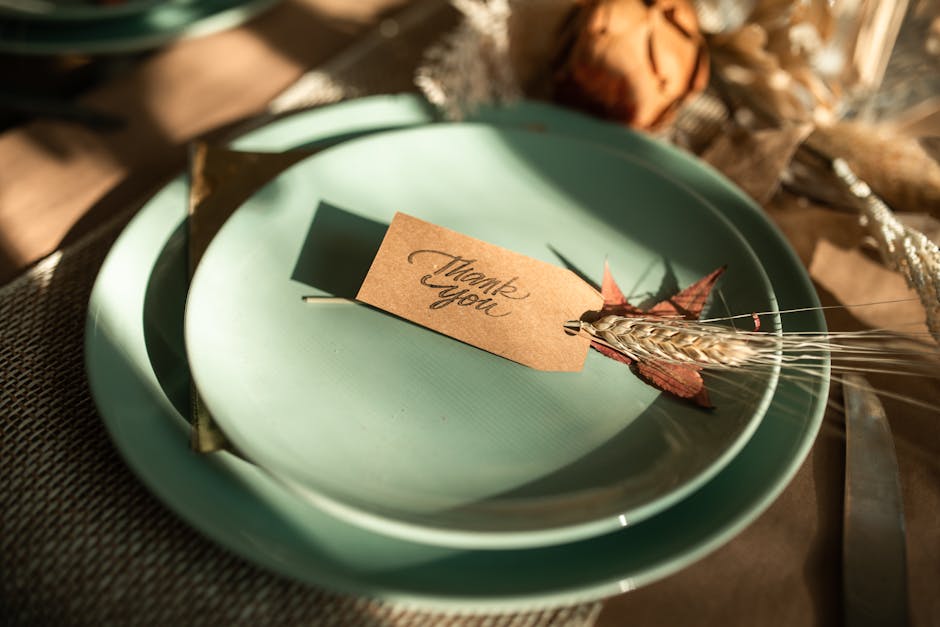
Thanksgiving Feast Without the Fullness: 8 Proven Strategies to Avoid Overeating
The scent of roasted turkey, the comforting aroma of mashed potatoes, the sweet allure of pumpkin pie – Thanksgiving is a culinary celebration that can easily lead to overconsumption. While the spirit of gratitude and togetherness is paramount, the abundance of rich, delicious food presents a significant challenge for mindful eating. Overindulgence can lead to discomfort, regret, and a sluggish feeling that detracts from the joy of the holiday. Fortunately, with a proactive approach and a few strategic adjustments, you can savor the flavors and company without succumbing to the urge to overeat. This article outlines eight effective, SEO-friendly methods to navigate the Thanksgiving table with moderation and enjoyment.
1. Pre-Feast Nourishment: The Underrated Strategy
A common pitfall on Thanksgiving is arriving at the feast on an empty stomach, driven by the anticipation of a large meal. This often leads to a primal urge to consume as much as possible, as quickly as possible, before the "real food" even appears. To combat this, prioritize a small, balanced meal or snack a few hours before heading to the main event. This doesn’t mean a full breakfast or lunch that will compete with the Thanksgiving spread; rather, it’s about strategically staving off extreme hunger. Opt for protein and fiber-rich options that promote satiety. Think a small handful of almonds, a Greek yogurt with berries, or a hard-boiled egg. These choices will take longer to digest, providing a steady release of energy and signaling to your brain that you are not in a state of severe deprivation. When you do arrive at the Thanksgiving table, your hunger will be tempered, allowing for more conscious decision-making regarding portion sizes and food choices. This pre-emptive strike is crucial for regaining control before the overwhelming array of dishes is presented. Furthermore, this approach helps regulate blood sugar levels, preventing the rapid spikes and subsequent crashes that can fuel cravings and lead to impulsive eating. By front-loading your day with nutritious fuel, you create a physiological and psychological buffer against the temptation of excess.
2. Mindful Plate Construction: The Art of Strategic Selection
The Thanksgiving buffet can be a visual and olfactory assault of tempting dishes, making it difficult to resist trying a little bit of everything. The key to avoiding overeating here lies in mindful plate construction. Before you even pick up a serving spoon, take a moment to survey all the available options. Identify the dishes you genuinely want to enjoy and those that are more of a novelty or less appealing. Prioritize quality over quantity. Start by filling half your plate with lean protein, such as turkey breast. Then, fill another quarter with non-starchy vegetables like green beans, Brussels sprouts, or a simple salad. Finally, use the remaining quarter for your desired starches and richer dishes, such as mashed potatoes, stuffing, or cranberry sauce. This visual guide helps ensure a balanced meal, prioritizing nutrient-dense options and moderating the intake of calorie-heavy sides. Another effective tactic is to employ the "tasting plate" approach. Instead of piling your plate high with multiple servings of everything, take small, deliberate portions of each dish you wish to sample. This allows you to experience a wider variety of flavors without committing to large quantities of any single item. Remember, you can always go back for seconds if you truly desire more of a particular dish, but starting with smaller portions prevents immediate overconsumption and allows you to gauge your true satisfaction.
3. Hydration is Your Ally: The Sip-and-Savor Strategy
Often overlooked in the pursuit of avoiding overeating, proper hydration plays a vital role in satiety and digestion. Before and during the Thanksgiving meal, make a conscious effort to drink plenty of water. Thirst can sometimes be mistaken for hunger, leading you to consume more food than you actually need. By keeping yourself adequately hydrated, you can differentiate between genuine hunger cues and thirst signals. Sip water throughout the meal, not just before or after. This simple act can slow down your eating pace, allowing your body more time to register feelings of fullness. Furthermore, water aids in digestion, helping your body process the rich and diverse Thanksgiving fare more efficiently. Consider infusing your water with lemon, cucumber, or mint for added flavor and a refreshing twist, making it a more appealing alternative to sugary beverages often found at holiday gatherings. Avoid excessive consumption of sugary drinks like soda, juice, or sweetened teas, as these contribute empty calories and can further stimulate appetite. Opting for water, unsweetened iced tea, or sparkling water with a splash of fruit juice will significantly reduce your overall calorie intake and promote better digestion without compromising on enjoyment.
4. Savor Every Bite: The Power of Mindful Chewing
The speed at which we eat is directly correlated with the amount we consume. During a celebratory meal like Thanksgiving, the conversation and excitement can often lead to rapid eating, where food is barely chewed before being swallowed. This is a recipe for overeating, as it doesn’t give your brain enough time to receive signals of satiety from your stomach. Implement the "savor every bite" strategy by consciously slowing down your eating pace. Place your fork down between bites, take deep breaths, and truly focus on the textures, flavors, and aromas of the food. Aim to chew each mouthful thoroughly – ideally 20-30 times. This not only aids in digestion but also allows your brain to register fullness signals more effectively. The physical act of chewing releases digestive enzymes, preparing your stomach for the incoming food. By extending the time you spend eating, you provide your body with the necessary time to signal that it is becoming satisfied. This mindful approach transforms the meal from a race to finish into an experience to be appreciated, enhancing both your enjoyment and your ability to control your intake.
5. Strategic Portion Control: The Art of the "Tasting" Approach
When faced with an overwhelming abundance of delicious dishes, the natural inclination is to try a bit of everything. However, without mindful portion control, this can quickly lead to overconsumption. Embrace the "tasting" approach rather than the "all-you-can-eat" mentality. Instead of loading your plate with generous servings of every item, opt for very small, deliberate portions of each dish you wish to sample. This allows you to experience a wider variety of flavors without committing to large quantities of any single item. Think of it as a curated culinary journey. If you find yourself particularly enjoying a specific dish, you can always go back for a second, smaller serving. This strategy ensures you don’t feel deprived of any particular flavor while preventing the initial overwhelming intake that often leads to regret. Furthermore, by taking smaller portions, you are more likely to truly appreciate the nuances of each dish, enhancing your overall dining experience. This conscious effort to limit initial intake empowers you to make informed decisions about subsequent servings based on genuine desire rather than automatic habit or the fear of missing out.
6. Prioritize Protein and Fiber: The Satiety Superstars
To effectively combat overeating, focus on filling your Thanksgiving plate with foods that promote satiety, primarily lean protein and fiber. These macronutrients are digested more slowly, leading to a prolonged feeling of fullness and reducing the urge to graze or go back for seconds prematurely. Before you even consider the rich sides, load up on turkey, chicken, or even lean ham. These protein sources are crucial for signaling satiety to your brain. Alongside your protein, prioritize fiber-rich vegetables. Think roasted Brussels sprouts, steamed green beans, or a vibrant salad. These provide bulk to your meal without adding excessive calories and contribute significantly to feelings of fullness. While traditional Thanksgiving sides like stuffing, mashed potatoes, and gravy are undeniably delicious, they are often calorie-dense and lower in fiber. By making protein and fiber the foundation of your plate, you create a more satisfying and balanced meal that naturally curbs your appetite for less nutritious options. This strategic prioritization ensures that you are nourishing your body with essential nutrients while simultaneously managing your hunger effectively, leading to a more comfortable and enjoyable post-meal experience.
7. Engage in Conversation and Connection: The Distraction of Delight
Thanksgiving is as much about the people as it is about the food. Utilize this social aspect to your advantage by actively engaging in conversations and connecting with loved ones. When you’re engrossed in meaningful dialogue, your focus shifts away from the plate, naturally slowing down your eating pace. Instead of mindlessly shoveling food, you’ll find yourself pausing between bites to participate in the discussion. This distraction from the act of eating is a powerful tool for portion control. By fully immersing yourself in the social experience, you allow your body the time it needs to register satiety signals. Furthermore, focusing on the company can shift your perspective, emphasizing the gratitude and connection that the holiday represents, rather than solely on the quantity of food consumed. Actively participate in games, share stories, and simply enjoy the presence of others. This mental engagement with the social environment helps to redirect your attention away from the constant temptation of the buffet and towards the genuine joy of shared experience.
8. Post-Meal Pacing: The "Dessert Decision" Delay
The allure of Thanksgiving dessert can be immense, especially after a satisfying savory meal. However, this is often where overconsumption can re-emerge. Implement the "dessert decision delay" tactic. After finishing your main course, resist the immediate urge to head straight for the pie. Instead, take a break. Clear your plate, engage in conversation, or even go for a short, light walk. This pause allows your digestive system to begin processing the meal and provides your brain with time to truly assess whether you have room for dessert. Often, the feeling of fullness from the main course will have increased, making you less inclined to overindulge in sweets. If, after this deliberation, you still desire dessert, opt for a small sliver rather than a full portion. This delayed decision-making process empowers you to make a more conscious choice about your intake, preventing the impulsive grab for dessert that often accompanies the feeling of just having "finished" the main meal. This mindful approach to dessert ensures you can enjoy a taste of sweetness without succumbing to excessive indulgence.