
What Is Dry Needling And Should You Try It
Dry Needling: An In-Depth Guide to Understanding and Considering This Therapeutic Technique
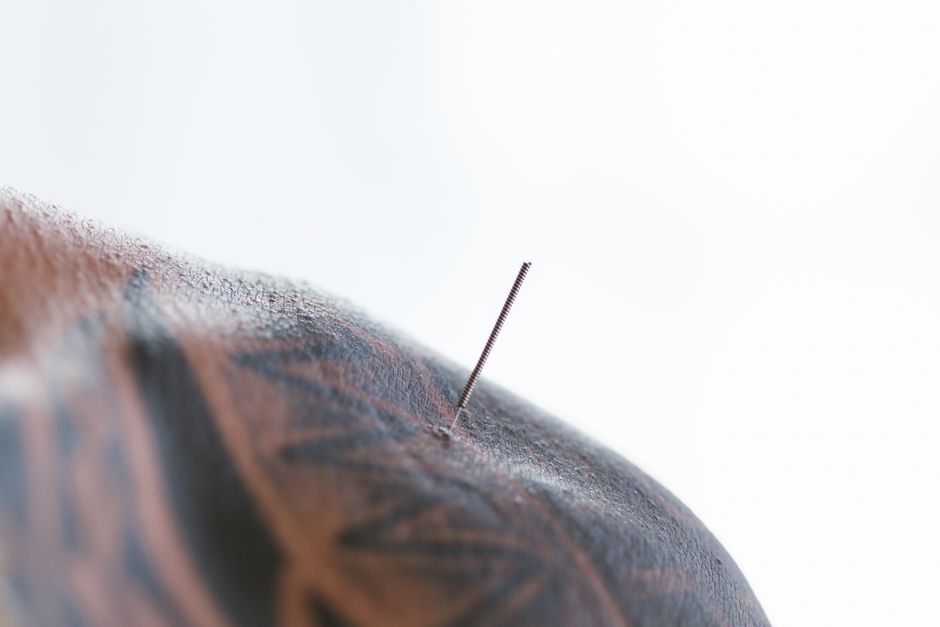
Dry needling is a therapeutic intervention that utilizes thin monofilament needles, similar to those used in acupuncture, to treat myofascial pain and dysfunction. Unlike acupuncture, which is rooted in Traditional Chinese Medicine and aims to restore the flow of qi (vital energy), dry needling is a Western medicine-based technique that focuses on the physiological effects of needling on the neuromuscular system. The term "dry" refers to the fact that no substances are injected through the needles. Instead, the needle itself is the therapeutic tool. The primary target of dry needling is the myofascial trigger point, a hypersensitive spot within a taut band of skeletal muscle that, when pressed, elicits a palpable contraction (a twitch response) and can refer pain to other areas of the body. These trigger points are thought to arise from overuse, acute trauma, repetitive strain, or even emotional stress, leading to localized muscle tightness, reduced blood flow, and the accumulation of metabolic byproducts.
The mechanism by which dry needling exerts its effects is multifaceted and still an active area of research, but several key theories are widely accepted. Firstly, the insertion of a needle into a trigger point elicits a local twitch response, which is believed to be a spinal cord reflex. This twitch response can help to disrupt the perpetuating cycle of muscle contraction and pain. By mechanically disrupting the taut band of muscle fibers and the associated knot, the needle aims to release the sustained contraction, improve local circulation, and reduce the chemical milieu that contributes to pain sensitization. Secondly, dry needling is thought to modulate pain signaling at the spinal cord level and in the brain. The stimulation of sensory nerves by the needle can activate descending inhibitory pathways, which reduce the perception of pain. This is known as the gate control theory of pain, where non-painful input (from the needle) can close the "gates" to painful input. Furthermore, dry needling can lead to a localized inflammatory response, which, paradoxically, can be beneficial. This micro-injury triggers the body’s natural healing mechanisms, increasing blood flow and releasing endorphins, the body’s natural painkillers. The release of endorphins contributes to immediate pain relief and a sense of well-being.
The application of dry needling involves a thorough assessment by a trained healthcare professional, typically a physical therapist, chiropractor, or physician. The practitioner will first conduct a physical examination to identify the source of pain and locate any myofascial trigger points. This often involves palpation of the muscles to identify taut bands and elicit twitch responses. Once trigger points are identified, the practitioner will insert the fine monofilament needles directly into these points. The insertion technique varies, with some practitioners favoring a quick, shallow insertion and others a slower, deeper insertion that may elicit a more pronounced twitch response. The needles are typically left in place for a period ranging from a few seconds to several minutes, depending on the individual’s tolerance and the therapist’s chosen technique. During the treatment, patients may experience various sensations, including a dull ache, a tingling sensation, or the characteristic twitch response. While some discomfort is expected, the pain should be tolerable and transient. Following the needling session, the muscles may feel sore or fatigued, which is a normal response and usually subsides within 24-48 hours. Patients are often advised to engage in gentle movement and stretching to aid in recovery.
Dry needling is primarily indicated for a wide range of musculoskeletal conditions characterized by myofascial pain and dysfunction. This includes, but is not limited to, chronic low back pain, neck pain, shoulder pain (such as rotator cuff impingement and frozen shoulder), headaches (tension headaches and migraines), temporomandibular joint (TMJ) dysfunction, hip and knee pain (e.g., osteoarthritis, IT band syndrome), plantar fasciitis, carpal tunnel syndrome, and athletic injuries like muscle strains and sprains. It is particularly effective for conditions where muscle tightness and trigger points are believed to be a significant contributing factor to the pain and functional limitations. Athletes often turn to dry needling for performance enhancement and faster recovery from training and competition-related pain. It can also be beneficial for individuals experiencing pain from prolonged sitting, poor posture, or sedentary lifestyles. The technique can address both acute and chronic pain presentations, aiming to restore normal muscle length, reduce pain sensitivity, and improve range of motion.
The benefits of dry needling extend beyond immediate pain relief and can lead to significant improvements in function and quality of life. By effectively releasing muscle tightness and deactivating trigger points, dry needling can restore normal muscle function, leading to increased flexibility, improved range of motion, and enhanced athletic performance. This reduction in muscle tension and pain can also alleviate associated symptoms such as stiffness, weakness, and fatigue. Furthermore, by addressing the underlying myofascial issues, dry needling can help prevent the recurrence of pain and dysfunction. Many patients report a significant reduction in their reliance on pain medication after undergoing dry needling treatments. The increased mobility and reduced pain can empower individuals to return to their daily activities, work, and recreational pursuits without limitations, thereby enhancing their overall well-being.
While dry needling is generally considered safe when performed by a qualified and experienced practitioner, like any medical intervention, it carries potential risks and side effects. The most common side effect is localized soreness, bruising, or tenderness at the needling sites, which typically resolves within a day or two. Other less common side effects can include temporary dizziness, fainting (vasovagal response), or bleeding. In rare instances, there can be a risk of nerve injury, infection, or pneumothorax (collapsed lung) if the needle is inserted incorrectly into the chest cavity. This highlights the critical importance of seeking treatment from a properly trained and licensed professional who adheres to strict sterile techniques and has a thorough understanding of anatomy. Patients should always inform their practitioner of any existing medical conditions, allergies, or medications they are taking to ensure the safety and efficacy of the treatment.
The decision to try dry needling should be made in consultation with a healthcare professional who can assess your specific condition and determine if it is an appropriate treatment option for you. It is not a standalone cure for all pain conditions, but rather a complementary therapy that can be integrated into a broader treatment plan. If you are experiencing chronic pain, muscle stiffness, limited mobility, or have been diagnosed with a condition where myofascial pain is a significant factor, and conservative treatments have not provided sufficient relief, dry needling may be a worthwhile option to explore. It is particularly relevant for individuals who have not responded well to other modalities such as massage, stretching, or conventional physical therapy. Patients who are needle-averse should discuss their concerns with their practitioner, as the sensation can be managed with proper technique and patient education.
Before undergoing dry needling, it is essential to find a qualified practitioner. Look for licensed physical therapists, chiropractors, or physicians who have completed accredited dry needling certification programs. These programs typically cover anatomy, physiology, contraindications, indications, and practical application of the technique. Do not hesitate to ask potential practitioners about their training, experience, and success rates with conditions similar to yours. A thorough initial assessment is crucial; a good practitioner will spend time understanding your medical history, pain patterns, and functional limitations before proceeding with treatment. They should also clearly explain the procedure, potential benefits, and risks involved, and answer any questions you may have. Patient education is a key component of effective dry needling, empowering you to understand the process and participate actively in your recovery.
The number of dry needling sessions required varies greatly depending on the individual’s condition, the severity of the trigger points, and their response to treatment. Some individuals may experience significant relief after just one or two sessions, while others may require a series of treatments spread over several weeks. A typical course of treatment might involve 4-6 sessions, scheduled a few days to a week apart. The practitioner will monitor your progress and adjust the treatment plan accordingly. It is important to be patient and consistent with your treatment schedule to achieve optimal results. Combining dry needling with other therapeutic modalities, such as exercise, stretching, manual therapy, and lifestyle modifications, often leads to more comprehensive and long-lasting pain relief and functional improvement. This holistic approach ensures that all contributing factors to your pain are addressed.
In conclusion, dry needling is a precise and targeted therapeutic technique that offers a valuable option for individuals suffering from myofascial pain and dysfunction. By deactivating trigger points and modulating pain signals, it can effectively alleviate pain, improve range of motion, and restore normal muscle function. While it is generally safe when performed by a qualified professional, understanding the potential risks and side effects is important. If you are considering dry needling, engaging in open communication with your healthcare provider to determine if it aligns with your specific needs and overall treatment goals is paramount. Its growing evidence base and widespread adoption by healthcare professionals underscore its potential as an effective tool in the management of a variety of musculoskeletal conditions.
