
Slow Cooker Oat Porridge With Berries
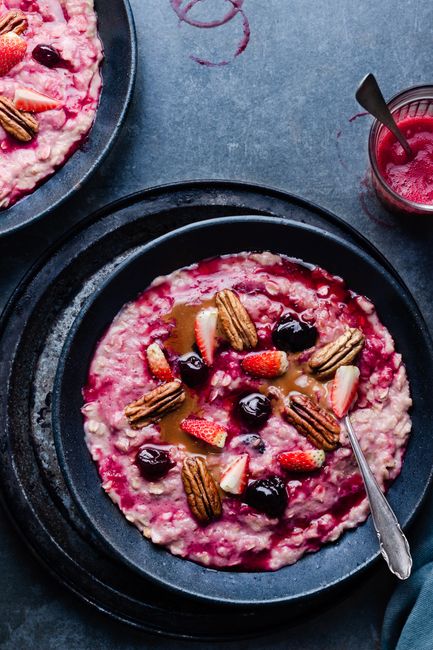
Slow Cooker Oat Porridge with Berries: A Wholesome, Time-Saving Breakfast Solution
This article explores the benefits, methods, and variations of preparing slow cooker oat porridge with berries, focusing on its nutritional value, convenience, and adaptability for modern lifestyles. The slow cooker transforms humble oats into a creamy, comforting, and deeply flavorful breakfast, while the addition of berries introduces natural sweetness, vibrant color, and a potent dose of antioxidants. This approach to porridge preparation is ideal for busy individuals and families seeking a healthy and satisfying start to their day without the morning rush. The inherent flexibility of slow cooker oats allows for extensive customization, catering to diverse dietary needs and taste preferences. From simple, classic combinations to more elaborate, nutrient-dense concoctions, the slow cooker offers an unparalleled level of ease and consistency in producing a nourishing and delicious breakfast.
Nutritional Powerhouse: Unpacking the Benefits of Slow Cooker Oat Porridge and Berries
Oats, the foundation of this breakfast, are a remarkable source of soluble fiber, particularly beta-glucan. Beta-glucan is renowned for its ability to lower cholesterol levels, both LDL (bad) cholesterol and total cholesterol, thereby contributing to cardiovascular health. It also plays a significant role in blood sugar regulation by slowing down the absorption of carbohydrates, preventing sharp spikes and subsequent crashes that can lead to fatigue and cravings. This makes oat porridge an excellent choice for individuals managing diabetes or seeking sustained energy throughout the morning. Beyond fiber, oats provide essential vitamins and minerals, including manganese, phosphorus, magnesium, copper, iron, zinc, folate, and B vitamins. These micronutrients are crucial for a wide range of bodily functions, from energy production and bone health to immune system support and cognitive function.
Berries, the vibrant companions to oats, are nutritional titans in their own right. They are exceptionally rich in antioxidants, such as anthocyanins, ellagic acid, and various flavonoids. These compounds combat oxidative stress in the body, which is linked to chronic diseases like heart disease, cancer, and neurodegenerative disorders. Antioxidants also contribute to cellular repair and may play a role in reducing inflammation. Different berries offer unique profiles of vitamins and minerals. Blueberries, for instance, are celebrated for their high vitamin C and K content, as well as their potent anthocyanin levels. Strawberries are another excellent source of vitamin C and manganese. Raspberries provide significant fiber and vitamin C, while blackberries offer a good dose of vitamin K and fiber. The synergistic combination of oats and berries creates a breakfast that is not only delicious but also contributes significantly to overall health and well-being, supporting everything from gut health to immune function and long-term disease prevention.
The Slow Cooker Advantage: Efficiency and Perfect Texture
The primary allure of the slow cooker for porridge preparation lies in its unparalleled convenience. By simply combining ingredients the night before and setting the cooker to low overnight, a perfectly cooked, creamy bowl of porridge is ready upon waking. This eliminates the need for constant stirring and monitoring required when cooking oats on the stovetop, freeing up valuable morning time. The low, slow cooking process also yields a superior texture. Unlike stovetop methods that can sometimes result in gummy or watery oats, the slow cooker gently breaks down the starches in the oats, creating an incredibly smooth, luscious, and uniform consistency. This is particularly beneficial for steel-cut oats, which can otherwise take a significant amount of time and attention to cook to perfection. The gentle heat also prevents scorching, a common issue when cooking oats unattended. The slow cooker transforms the often tedious task of porridge preparation into a set-it-and-forget-it operation, making healthy eating more accessible and less stressful.
Choosing Your Oats: The Foundation of Flavor and Texture
The type of oats used will significantly impact the final texture and cooking time in the slow cooker.
-
Steel-Cut Oats: These are the least processed oat groats, cut into two or three pieces with steel blades. They offer a chewy texture and a nutty flavor. In the slow cooker, they require the longest cooking time (typically 6-8 hours on low) but yield a wonderfully hearty and satisfying porridge. They are an excellent choice for those who prefer a less mushy texture.
-
Rolled Oats (Old-Fashioned Oats): These are whole oat groats that have been steamed and rolled flat. They cook faster than steel-cut oats (around 4-6 hours on low in the slow cooker) and produce a creamier, softer porridge. They offer a good balance of chewiness and creaminess.
-
Quick Oats: These are rolled oats that have been cut into smaller pieces. While they can be used in the slow cooker, they tend to break down completely, resulting in a very soft, almost mushy porridge. Their cooking time is significantly reduced (2-3 hours on low). For optimal texture and nutritional benefits, steel-cut or rolled oats are generally preferred for slow cooker recipes.
Liquid Ratios: The Key to Creamy Perfection
The ratio of oats to liquid is critical for achieving the desired consistency. This ratio can vary slightly depending on the type of oats used and personal preference. As a general guideline:
- Steel-Cut Oats: 1 part oats to 4 parts liquid is a good starting point. You may need to adjust slightly based on how thick you prefer your porridge.
- Rolled Oats: 1 part oats to 3 parts liquid is a common ratio.
- For Creamier Porridge: Consider using a combination of water and milk (dairy or non-dairy). Milk adds richness and creaminess. For even greater creaminess, some recipes incorporate a splash of heavy cream or coconut milk.
The Berry Bonanza: Fresh, Frozen, and Dried Options
The beauty of this recipe lies in its versatility with berries.
-
Fresh Berries: These can be added towards the end of the cooking cycle or stirred in after cooking to maintain their vibrant color and slightly firmer texture. They offer a bright, fresh flavor.
-
Frozen Berries: These are an excellent and convenient option, especially when fresh berries are out of season. They can be added at the beginning of the cooking process or with about an hour remaining. They will break down more than fresh berries, releasing their juices and color into the porridge, contributing to a beautiful hue and rich flavor.
-
Dried Berries: While offering concentrated sweetness and chewiness, dried berries have a different flavor profile. They are best added sparingly to avoid making the porridge overly sweet and can be incorporated earlier in the cooking process.
Basic Slow Cooker Oat Porridge with Berries Recipe (Serves 4-6)
This foundational recipe provides a starting point for customization.
Ingredients:
- 1.5 cups steel-cut oats (or rolled oats for a quicker cook)
- 6 cups liquid (a combination of water and milk, e.g., 3 cups water, 3 cups unsweetened almond milk or dairy milk)
- 1/4 teaspoon salt
- 1-2 cups mixed berries (fresh or frozen)
- Optional sweeteners: maple syrup, honey, agave nectar (to taste)
- Optional flavorings: cinnamon, vanilla extract
Instructions:
- Combine Oats and Liquid: In the insert of your slow cooker (typically a 4-6 quart size), combine the oats, liquid of choice, and salt. Stir well to ensure the oats are fully submerged.
- Cook Overnight: Cover the slow cooker and cook on the LOW setting for 6-8 hours for steel-cut oats, or 4-6 hours for rolled oats. The porridge should be thick and creamy.
- Add Berries (Option 1 – Cooked In): If using frozen berries and you prefer them fully integrated and softened, stir them in during the last hour of cooking.
- Serve: Stir the porridge well. If using fresh berries or frozen berries that you prefer to retain some texture, stir them in just before serving.
- Sweeten and Flavor (Optional): Stir in your preferred sweetener and flavorings to taste.
- Portion and Enjoy: Ladle into bowls and top with additional fresh berries, nuts, seeds, or a dollop of yogurt if desired.
Customization and Variations: Elevating Your Porridge
The basic recipe is a blank canvas for endless flavor combinations and nutritional enhancements.
-
Nutrient Boosters:
- Seeds: Chia seeds, flaxseeds, or hemp seeds can be added at the beginning of cooking or stirred in at the end for added fiber, omega-3 fatty acids, and protein.
- Nuts: Chopped walnuts, almonds, pecans, or pistachios can be added for healthy fats and crunch. Toasting them beforehand enhances their flavor.
- Protein Powder: A scoop of your favorite protein powder can be stirred in after cooking for a significant protein boost.
- Nut Butters: A swirl of almond butter, peanut butter, or cashew butter adds richness, protein, and healthy fats.
- Coconut Milk/Cream: For an extra decadent and creamy porridge, use full-fat coconut milk or a tablespoon of coconut cream in place of some of the liquid.
-
Flavor Enhancers:
- Spices: Beyond cinnamon, consider adding nutmeg, cardamom, ginger, or a pinch of cloves for warmth and complexity.
- Extracts: Almond extract, orange extract, or a splash of rum extract can add interesting flavor dimensions.
- Citrus Zest: The zest of a lemon or orange can brighten the flavor profile.
- Cocoa Powder: For a chocolatey twist, stir in a tablespoon or two of unsweetened cocoa powder.
-
Berry Combinations:
- Mixed Berry Medley: A classic for a reason.
- Strawberry-Banana: Combine with sliced fresh bananas in the last hour of cooking or stirred in at the end.
- Blueberry-Lemon: Add lemon zest and juice along with blueberries.
- Raspberry-Dark Chocolate: Stir in dark chocolate chips in the last 30 minutes of cooking and top with fresh raspberries.
-
Dietary Adaptations:
- Vegan: Use plant-based milk (almond, soy, oat, cashew) and a plant-based sweetener like maple syrup.
- Gluten-Free: Ensure you are using certified gluten-free oats, as oats can be cross-contaminated with gluten during processing.
- Low-Sugar: Rely on the natural sweetness of berries and avoid added sweeteners.
Tips for Success and Storage
- Grease the Slow Cooker: Lightly greasing the slow cooker insert can prevent sticking, especially if you’re using a model prone to it.
- Don’t Overfill: Ensure the liquid and oats do not go beyond two-thirds of the slow cooker’s capacity to prevent overflow.
- Adjust Liquid as Needed: If your porridge is too thick after cooking, stir in a little more liquid until you reach your desired consistency. If it’s too thin, you can leave the lid slightly ajar and cook on warm for a bit longer, or stir in a tablespoon of chia seeds and let it sit for 10 minutes to thicken.
- Storage: Leftover slow cooker oat porridge can be stored in an airtight container in the refrigerator for up to 3-4 days.
- Reheating: Reheat individual portions on the stovetop over low heat, stirring frequently and adding a splash of milk or water to loosen it up, or microwave in a microwave-safe bowl, stirring halfway through.
Conclusion
Slow cooker oat porridge with berries offers a compelling combination of nutritional density, effortless preparation, and delightful flavor. By leveraging the convenience of a slow cooker, this wholesome breakfast becomes an accessible and consistent part of a healthy routine. The adaptability of oats and the vibrant, antioxidant-rich nature of berries provide a foundation for endless customization, catering to diverse palates and dietary requirements. This method transforms a simple breakfast staple into a time-saving, nutrient-packed meal that sets a positive tone for the entire day. The ease with which this dish can be prepared the night before makes it an invaluable tool for individuals and families seeking to prioritize health without sacrificing precious morning minutes. Experimentation with different oat varieties, liquid bases, berry combinations, and flavor enhancements will unlock a world of delicious and nourishing possibilities, solidifying slow cooker oat porridge with berries as a cornerstone of modern healthy eating.