
Healthy Mu Shu Tofu
Mu Shu Tofu: A Deliciously Healthy & Customizable Asian Stir-Fry
Mu shu tofu offers a vibrant, flavorful, and exceptionally healthy plant-based alternative to traditional pork mu shu. This classic Chinese dish, often served with thin pancakes or rice, centers around a savory stir-fry of thinly sliced vegetables and protein, enveloped in a light, umami-rich sauce. By substituting tofu for pork, mu shu tofu dramatically reduces saturated fat and cholesterol while boosting plant-based protein and fiber. This article explores the nutritional benefits, customizable ingredients, preparation techniques, and SEO considerations for creating a truly exceptional mu shu tofu experience. Understanding the core components and adaptable nature of this dish is key to maximizing its health appeal and culinary versatility.
The nutritional powerhouse of mu shu tofu begins with its star ingredient: tofu. Tofu, derived from soybeans, is a complete protein source, meaning it contains all nine essential amino acids. It’s also low in calories and saturated fat, making it an ideal choice for weight management and cardiovascular health. Depending on the firmness, tofu offers varying textures, from silken to extra-firm, each contributing a unique mouthfeel to the stir-fry. Extra-firm tofu is generally preferred for mu shu as it holds its shape well during cooking and absorbs flavors effectively. Beyond protein, tofu is a good source of iron, calcium (especially if fortified), and manganese. The stir-fried vegetables further enhance the nutritional profile. Cabbage, a staple in mu shu, is rich in vitamins C and K, and dietary fiber, promoting digestive health and immune function. Mushrooms, often shiitake or wood ear, add a dose of B vitamins, selenium, and antioxidants, contributing to cellular protection and energy metabolism. Garlic and ginger, aromatics fundamental to many Asian cuisines, are not just flavor enhancers; they possess potent anti-inflammatory and antioxidant properties. Green onions provide vitamins A and C, while carrots contribute beta-carotene, which the body converts to vitamin A, essential for vision and immune health. The light sauce, typically soy-based with additions of rice vinegar, sesame oil, and sometimes a touch of hoisin or oyster sauce (vegan versions are readily available), adds flavor without excessive sodium or unhealthy fats when prepared mindfully.
Customization is where mu shu tofu truly shines, allowing for endless variations to suit dietary preferences and ingredient availability. The protein component is highly adaptable. While extra-firm tofu is a popular and healthy choice, other plant-based proteins can be incorporated. Tempeh, a fermented soybean product with a firmer texture and nuttier flavor, offers a similar protein punch and beneficial probiotics. Seitan, made from wheat gluten, provides a chewier, meat-like texture and a significant protein boost. For those seeking a lower-carb option, finely crumbled firm tofu or even shredded king oyster mushrooms can mimic the texture of traditional mu shu. The vegetable selection offers a playground for creativity. Beyond the standard cabbage, carrots, and mushrooms, consider adding bell peppers (various colors for visual appeal and vitamin C), snow peas or sugar snap peas for crunch and sweetness, broccoli florets for added nutrients, water chestnuts for a crisp texture, or even bamboo shoots for a classic Asian flavor. The key is to cut all vegetables into thin, uniform strips or julienne them to ensure even cooking and a cohesive texture within the stir-fry. This uniformity is crucial for both the aesthetic appeal and the culinary success of the dish. For those with specific dietary needs, soy sauce can be replaced with tamari or coconut aminos for a gluten-free or lower-sodium option. The sweetener can be adjusted, using maple syrup or agave nectar instead of sugar, or omitting it entirely if the vegetables provide sufficient natural sweetness.
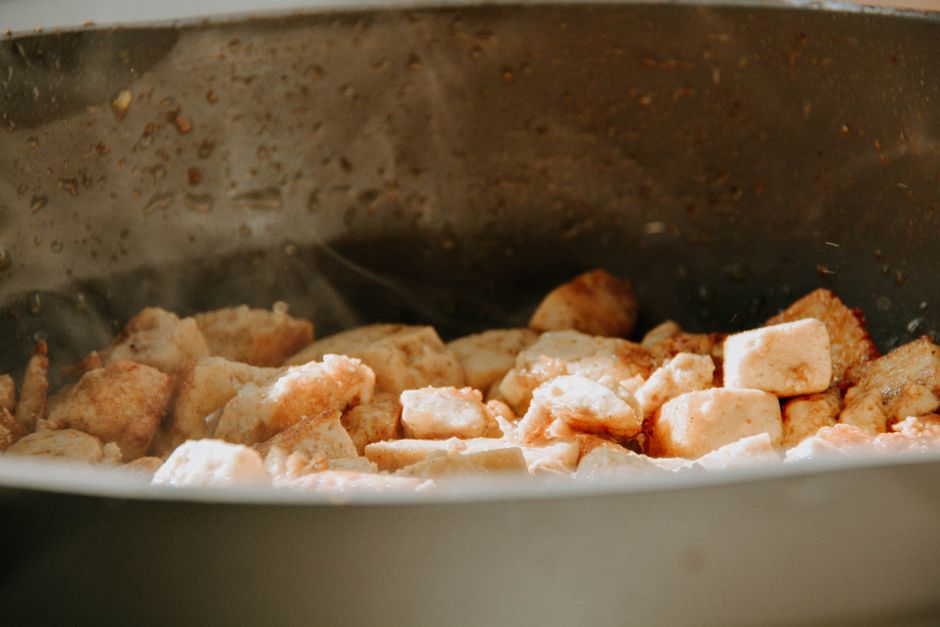
The preparation of mu shu tofu, while seemingly simple, involves a few key techniques to achieve optimal flavor and texture. The first step is preparing the tofu. For extra-firm tofu, pressing is essential to remove excess water. This can be done using a tofu press or by wrapping the tofu in paper towels and placing a heavy object on top for at least 30 minutes. Once pressed, the tofu should be thinly sliced or julienned. Marinating the tofu, even for a short period, can significantly enhance its flavor. A simple marinade of soy sauce (or substitute), a touch of sesame oil, and a pinch of cornstarch (to help it crisp up) is effective. Alternatively, a more robust marinade incorporating garlic powder, ginger powder, and a hint of rice vinegar can be used. The vegetables should be prepped and ready to go before you begin stir-frying, as the process is rapid. Thinly slicing or julienning is crucial for quick and even cooking. The aromatics – minced garlic and grated ginger – should also be prepped. The sauce should be mixed together in advance in a small bowl, ensuring all ingredients are well combined. Stir-frying requires high heat and constant movement. Begin by heating oil in a wok or a large skillet over medium-high heat. Add the marinated tofu and stir-fry until golden brown and slightly crispy on all sides. Remove the tofu from the pan and set aside. Add a little more oil if needed, then add the tougher vegetables first, such as carrots, and stir-fry for a minute or two until they begin to soften. Next, add the quicker-cooking vegetables like cabbage and bell peppers, followed by mushrooms and any other additions. Stir-fry until the vegetables are tender-crisp, maintaining their vibrant color. Add the minced garlic and grated ginger to the pan and stir-fry for about 30 seconds until fragrant, being careful not to burn them. Return the cooked tofu to the pan. Pour the prepared sauce over the mixture and stir-fry for another minute or two, allowing the sauce to thicken and coat all the ingredients. The goal is a glossy, flavorful stir-fry where vegetables are still slightly crisp, and the tofu is well-integrated.
For optimal SEO performance, incorporating relevant keywords naturally throughout the content is crucial. Key terms such as "healthy mu shu tofu," "vegan mu shu," "plant-based mu shu," "tofu stir fry recipe," "Asian tofu dish," "low-fat stir fry," "high-protein vegan meal," and "gluten-free mu shu" should be strategically placed. Utilizing long-tail keywords like "easy healthy mu shu tofu recipe for beginners" or "nutritious mu shu tofu with mixed vegetables" can attract a more targeted audience. The article should be structured with clear headings and subheadings (H2, H3) to improve readability and search engine crawlability. For example, headings could include "Nutritional Benefits of Mu Shu Tofu," "Customizing Your Mu Shu Tofu," "Step-by-Step Mu Shu Tofu Preparation," and "SEO Considerations for Mu Shu Tofu Content." Using descriptive alt text for any accompanying images featuring mu shu tofu can also boost SEO. For instance, "Plated healthy mu shu tofu with vibrant vegetables and optional pancakes" would be more beneficial than a generic alt text. Internal linking to other relevant articles on your website, such as "Best Tofu Pressing Techniques" or "Guide to Asian Cooking Oils," can enhance user engagement and improve your site’s overall SEO authority. External linking to reputable sources, like nutritional databases or health organizations, can also lend credibility to your content. The overall tone should be informative and authoritative, aiming to answer user queries comprehensively.
To further enhance the health aspect and appeal of mu shu tofu, consider specific dietary modifications and ingredient choices. For a lower-sodium option, utilize reduced-sodium soy sauce or coconut aminos and be mindful of pre-made sauces, which can be surprisingly high in salt. Utilizing fresh herbs like cilantro and a squeeze of fresh lime juice at the end of cooking can add brightness and complexity without relying on salt. For those focusing on low-carbohydrate or ketogenic diets, the traditional wheat-based mu shu pancakes should be omitted, and the dish can be served over cauliflower rice or simply enjoyed on its own. Ensure the use of healthy cooking oils like avocado oil or grapeseed oil, which have high smoke points suitable for stir-frying. The natural sweetness from ingredients like carrots and mushrooms can be leveraged, reducing or eliminating the need for added sweeteners. When discussing hoisin or oyster sauce, it’s vital to mention vegan alternatives made from mushrooms or fermented soy, ensuring the dish remains entirely plant-based and appealing to a broader audience. Emphasizing the fiber content from the abundance of vegetables is another key selling point for health-conscious individuals. Highlighting the satiety factor of a well-prepared mu shu tofu dish, thanks to the protein from tofu and the fiber from vegetables, can attract those looking for satisfying and filling meals.
From a culinary perspective, achieving the authentic mu shu flavor profile relies on the balance of sweet, sour, salty, and umami. The umami is primarily derived from soy sauce and mushrooms. A small amount of Chinese cooking wine (Shaoxing wine) can add depth, but it can be omitted or substituted with a splash of dry sherry or even vegetable broth for alcohol-free versions. The tangy element comes from rice vinegar. The sweetness can be subtly adjusted with a touch of sugar, maple syrup, or agave. For a spicier kick, red pepper flakes or a finely chopped fresh chili can be incorporated into the stir-fry. The traditional serving method involves thin pancakes (often Mandarin-style crepes) which are themselves a source of carbohydrates. For a healthier serving alternative, one can opt for lettuce wraps, using large, sturdy leaves like butter lettuce or romaine. These offer a refreshing crunch and significantly reduce the carbohydrate count. Another excellent alternative is serving the mu shu tofu over brown rice or quinoa for added fiber and nutrients, or as previously mentioned, cauliflower rice for a low-carb option. The presentation of mu shu tofu is also important for its appeal. Garnishing with freshly chopped green onions, toasted sesame seeds, or even a sprinkle of chili oil can elevate the visual and flavor experience.
To further optimize for SEO, consider creating different content formats around mu shu tofu. This could include a dedicated recipe page with clear instructions and ingredient lists, a video tutorial demonstrating the preparation process, or even a blog post comparing the nutritional profiles of traditional pork mu shu versus mu shu tofu. Utilizing relevant hashtags on social media platforms when sharing content about mu shu tofu can also drive traffic to your website. Examples of effective hashtags include #mushutofu #tofurecipe #veganstirfry #plantbased #healthyasianfood #vegetarian #glutenfree #weeknightdinner #easyrecipe #healthyeating. Engaging with comments and questions on your blog posts and social media can also foster a community and improve your site’s visibility.
Ultimately, mu shu tofu stands as a testament to the versatility and healthfulness of plant-based cuisine. By understanding its core components, embracing customization, mastering preparation techniques, and implementing smart SEO strategies, one can effectively present this delicious and nutritious dish to a broad audience. Its adaptability to various dietary needs and preferences, coupled with its inherent health benefits, makes it a standout option in the realm of healthy Asian cooking. The focus on fresh ingredients, balanced flavors, and mindful preparation ensures that mu shu tofu is not just a meal, but a wholesome culinary experience.
