
4 Ways To Walk That Rival A Gym Workout
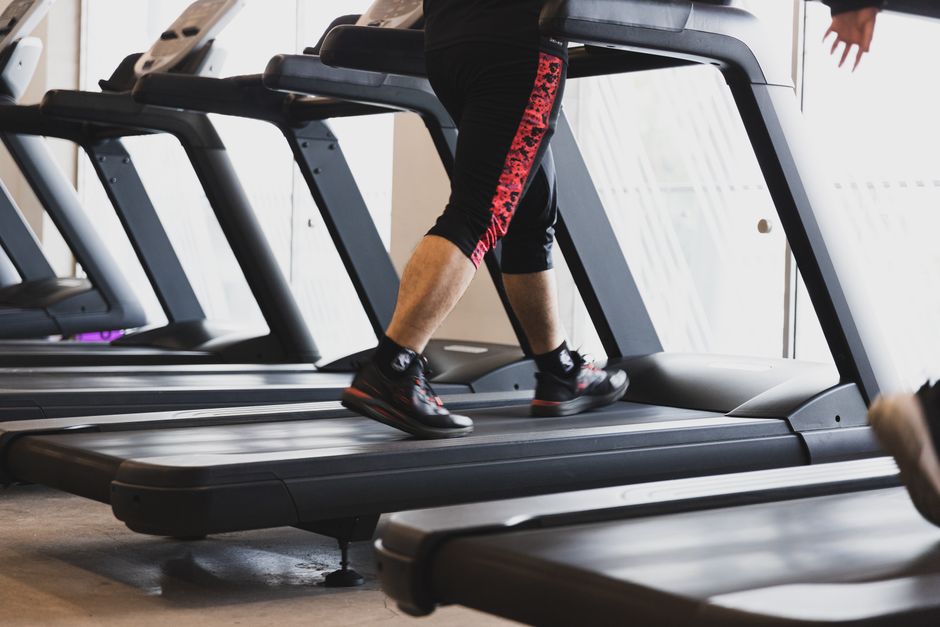
4 Ways to Walk That Rival a Gym Workout
Walking, often perceived as a gentle activity, possesses a profound capacity to transform your fitness. When approached with intention and strategic variations, a simple stroll can escalate into a cardiovascular powerhouse, a potent muscle-builder, and a potent stress reliever, rivaling many conventional gym workouts. This isn’t about aimless wandering; it’s about mindful movement that engages your body on multiple levels, pushing your limits and yielding significant health benefits without the need for specialized equipment or a dedicated gym membership. We will explore four distinct walking methodologies, each designed to amplify the physiological demands, thereby maximizing calorie expenditure, improving cardiovascular health, building lean muscle, and enhancing overall physical conditioning. Understanding and implementing these techniques will allow you to unlock the full potential of walking as a formidable fitness pursuit.
1. The Hill Repeats Power Walk: Unleashing Cardiovascular and Lower Body Strength
Incorporating inclines into your walking routine is arguably the most direct way to simulate the intensity of a gym workout, particularly one focused on cardiovascular endurance and lower body strength. Hill repeats involve finding a consistent, moderate incline and walking up it with a vigorous pace, followed by a recovery walk down. This method significantly increases heart rate and elevates calorie burn compared to flat walking. The effort required to propel your body uphill engages major muscle groups in the legs and glutes, including the quadriceps, hamstrings, gluteal muscles, and calves, with a greater emphasis than on flat terrain.
The physiological response to hill climbing is comparable to that of interval training in a gym setting. As you ascend, your heart pumps harder to deliver oxygen to your working muscles, improving aerobic capacity and strengthening the cardiovascular system. The repetitive nature of hill repeats, with sustained periods of high effort followed by periods of lower intensity, is a cornerstone of interval training, known for its efficiency in boosting metabolism and promoting fat loss. Aim for an incline that challenges you but allows you to maintain a brisk pace for the duration of the ascent. Start with shorter repeat intervals, perhaps 30-60 seconds of uphill walking, and gradually increase the duration and number of repetitions as your fitness improves. The descent serves as active recovery, allowing your heart rate to decrease slightly while still maintaining some muscle engagement. Focus on maintaining good form: a strong core, a natural arm swing to aid momentum, and pushing off with your toes to engage your calf muscles. This deliberate engagement of muscles during the ascent, coupled with the elevated heart rate, translates directly to enhanced muscular strength and endurance, mirroring the benefits of resistance training exercises like squats and lunges. The cumulative effect of repeated uphill efforts can lead to significant improvements in leg power and stamina, preparing your body for more demanding physical activities and contributing to a more toned and sculpted lower body. Furthermore, the mental fortitude required to push through challenging inclines builds resilience and perseverance, qualities that extend beyond physical fitness.
2. The Nordic Walking Revolution: Full-Body Engagement and Calorie Maximization
Nordic walking, employing specialized poles, transforms a standard walk into a full-body workout, drastically increasing calorie expenditure and engaging upper body muscles in a way that flat walking simply cannot. The poles are not merely for balance; they are actively used to propel the walker forward, creating a double-poling motion akin to cross-country skiing. This dynamic movement recruits a vast array of muscles, including the lats, biceps, triceps, shoulders, and core, in addition to the lower body. By incorporating the upper body, Nordic walking can burn significantly more calories – estimates suggest up to 20-40% more than regular walking at the same pace.
The biomechanics of Nordic walking involve a coordinated effort between the arms and legs. As you stride, you push off the ground with the poles, generating momentum and increasing the intensity of the workout. This action engages the posterior chain, including the glutes and hamstrings, as well as the core muscles for stability. The rhythmic push and pull of the poles also provide a significant workout for the upper body. The lats, rhomboids, and deltoids work to pull the body forward, while the triceps are engaged in the extension phase of the pole plant. This integrated muscle activation leads to improved posture, increased upper body strength and tone, and a more comprehensive cardiovascular challenge. The constant engagement of the core muscles provides a significant abdominal workout, contributing to core stability and strength. Compared to a gym workout, Nordic walking offers a low-impact yet high-intensity full-body conditioning experience. It’s akin to a circuit training session where multiple muscle groups are worked sequentially and simultaneously. The poles can also be used to control the intensity by adjusting the angle and force of the push. For instance, a more aggressive pole plant will increase the resistance and demand more from the upper body and core. Proper technique is crucial for maximizing benefits. Poles should be angled back slightly, and the push should be a deliberate extension of the arm and shoulder. The rhythmic motion can also be meditative, offering stress relief benefits alongside the physical conditioning. The increased oxygen consumption required to power this full-body movement elevates the heart rate, leading to improved cardiovascular health, enhanced endurance, and a greater capacity for fat burning. The cumulative effect of consistent Nordic walking can lead to a more balanced and toned physique, with improved muscular definition throughout the body.
3. The Interval Training Walk: Mimicking High-Intensity Intervals (HIIT)
This walking method directly mimics the principles of High-Intensity Interval Training (HIIT) often performed in gyms. The core concept involves alternating between short bursts of very high-intensity walking (near maximal effort) and brief recovery periods of slow or moderate walking. This approach is exceptionally effective for boosting metabolism, burning calories in a shorter timeframe, and improving cardiovascular fitness. The physiological stress of sprinting or near-sprinting periods triggers an "afterburn effect" (EPOC – Excess Post-exercise Oxygen Consumption), meaning your body continues to burn calories at an elevated rate for hours after the workout is completed, a key benefit often associated with HIIT gym sessions.
To implement an interval training walk, find a safe and relatively flat route. Begin with a 5-minute warm-up at a comfortable pace. Then, initiate your intervals. This might involve walking as fast as you possibly can for 30 seconds, feeling your heart rate significantly increase and your breathing become labored, followed by 60-90 seconds of slow, recovery walking. Repeat this cycle for 15-20 minutes. The intensity of the "work" interval should be such that you can barely speak in full sentences. During the recovery intervals, focus on bringing your heart rate down gradually while still moving. The beauty of this method is its scalability. Beginners can start with shorter work intervals and longer recovery periods, gradually increasing the duration of the work phase and decreasing the recovery phase as their fitness improves. The muscle activation during the high-intensity bursts is more profound, especially in the leg muscles, as they are required to generate explosive power. This repeated stress on the muscles contributes to their strengthening and development, akin to the benefits derived from plyometric exercises or sprinting drills. The cardiovascular benefits are immense, leading to a significant improvement in VO2 max (maximal oxygen uptake), a key indicator of aerobic fitness. This type of training challenges the body’s anaerobic threshold, improving its ability to perform at higher intensities for longer durations. The mental aspect is also significant; pushing through discomfort during the intense intervals builds mental toughness and resilience, a valuable attribute for any fitness journey. The efficiency of interval training makes it a perfect alternative for individuals with limited time who want to maximize their workout results, delivering a powerful punch that rivals many gym-based HIIT routines.
4. The Weighted Vest or Backpack Walk: Adding Resistance for Strength and Endurance
Incorporating external weight through a weighted vest or a backpack filled with books or sandbags significantly increases the resistance your body encounters during walking. This added load forces your muscles to work harder, enhancing both muscular strength and cardiovascular endurance. It’s a simple yet incredibly effective way to transform a moderate walk into a more demanding strength-building exercise, comparable to carrying weights in a gym. The extra weight requires greater effort from your leg muscles, core, and even your back and shoulders, leading to increased muscle activation and calorie expenditure.
When using a weighted vest or backpack, it’s crucial to start with a manageable weight – typically no more than 5-10% of your body weight – and gradually increase it as you adapt. The increased load demands more from your quadriceps, hamstrings, glutes, and calves to propel yourself forward. This sustained resistance training stimulates muscle hypertrophy (growth) and increases muscular endurance. Furthermore, the extra weight places a greater demand on your cardiovascular system to deliver oxygenated blood to the working muscles, leading to significant improvements in aerobic capacity and heart health. This is akin to performing weighted squats or lunges in a gym, but with the added benefit of continuous aerobic activity. The core muscles are heavily engaged to stabilize the torso and maintain balance under the added load, contributing to improved core strength and posture. The shoulders and upper back also play a role in supporting the weight, leading to increased upper body strength and resilience. Proper form is paramount to prevent injury. Ensure the vest or backpack is fitted snugly and distributes the weight evenly. Maintain an upright posture, engaging your core, and avoid slouching. The pace of walking can be maintained at a moderate intensity, as the added weight provides the challenge. This method is highly effective for building functional strength, the type of strength that translates to everyday activities like carrying groceries or climbing stairs. The constant engagement of multiple muscle groups under load makes it a highly efficient workout, burning more calories and building more muscle than unweighted walking. It’s a direct way to increase the intensity of your cardio without necessarily increasing the speed or incline, offering a versatile approach to achieving a more robust and conditioned physique through the simple act of walking.