
Ask The Rd Should You Choose Sugar Or Splenda
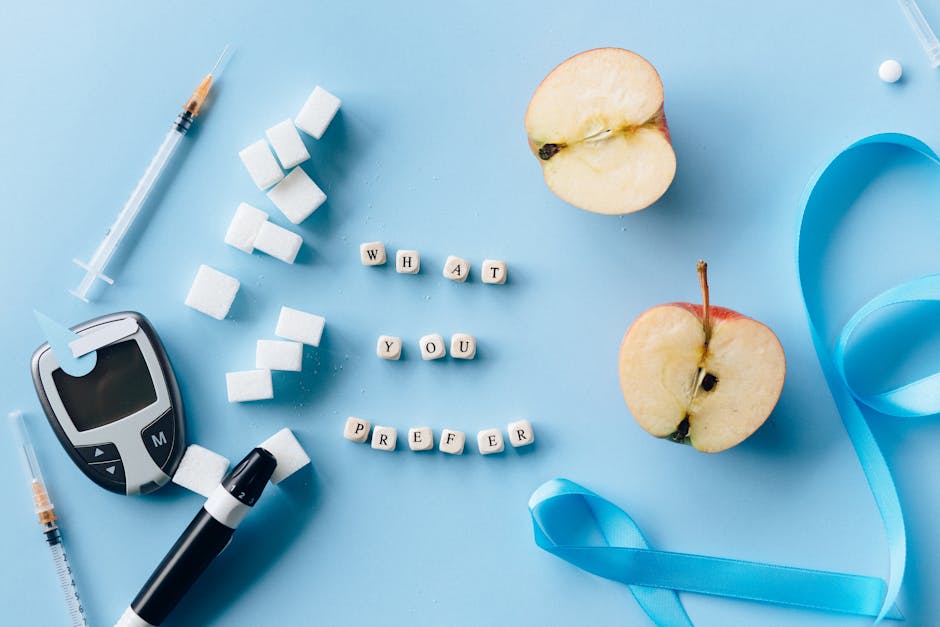
Ask the RD: Sugar vs. Splenda – A Comprehensive Nutritional Showdown for Your Health
The ubiquitous presence of sweeteners in our modern diet necessitates a clear understanding of their impact. Consumers are increasingly faced with a choice: the traditional sweetness of sugar or the perceived benefits of artificial sweeteners like Splenda (sucralose). This article, presented as a nutritional consultation with a Registered Dietitian (RD), aims to provide a detailed, evidence-based comparison of sugar and Splenda, empowering individuals to make informed decisions about their dietary choices based on health goals, potential risks, and scientific consensus.
Sugar, primarily in the form of sucrose, is a carbohydrate that provides immediate energy. Its caloric density is approximately 4 calories per gram. While naturally occurring sugars are present in fruits and dairy, the refined sugars found in processed foods, beverages, and desserts are a significant contributor to excess caloric intake. The body metabolizes sucrose into glucose and fructose. Glucose is readily utilized by cells for energy or stored as glycogen. Fructose, however, is primarily metabolized in the liver and can be converted to glucose, glycogen, or fat. Excessive fructose intake has been linked to various metabolic deroutines, including non-alcoholic fatty liver disease (NAFLD) and insulin resistance. The glycemic index (GI) of sugar is relatively high, meaning it causes a rapid increase in blood glucose levels, triggering a subsequent insulin response. Chronically elevated blood glucose and insulin levels are implicated in the development of type 2 diabetes, cardiovascular disease, and obesity. Beyond its metabolic effects, high sugar consumption is also associated with dental caries, inflammation, and can contribute to mood swings and energy crashes due to the rapid fluctuations in blood sugar. The "empty calories" provided by added sugars offer little to no essential nutrients, displacing nutrient-dense foods in the diet.
Splenda, chemically known as sucralose, is a high-intensity artificial sweetener derived from sugar. It is approximately 600 times sweeter than sucrose, meaning only a minuscule amount is needed to achieve the desired sweetness. This is a key factor in its appeal for those seeking to reduce calorie intake. Sucralose is largely unabsorbed by the body and passes through the digestive system unchanged, contributing virtually zero calories. This characteristic makes it a popular choice for individuals managing diabetes, weight loss, or seeking to reduce their overall sugar intake. The absence of caloric contribution means Splenda does not directly impact blood glucose or insulin levels, making it a viable option for those with glycemic control concerns. From a chemical perspective, sucralose is a chlorinated carbohydrate. The chlorination process modifies the sugar molecule, rendering it non-caloric and highly stable, even at high temperatures, making it suitable for baking and cooking.
The safety of artificial sweeteners, including sucralose, has been a subject of extensive research and public debate. Regulatory bodies worldwide, such as the U.S. Food and Drug Administration (FDA) and the European Food Safety Authority (EFSA), have reviewed numerous studies and concluded that sucralose is safe for consumption within established acceptable daily intake (ADI) levels. The ADI for sucralose is set at 5 milligrams per kilogram of body weight per day. This ADI is considered a conservative estimate, with a significant margin of safety built in to account for potential long-term effects. Numerous human studies have investigated the impact of sucralose on various health markers, including blood glucose, insulin response, gut microbiota, and overall health. While some studies have raised questions about potential effects on the gut microbiome, the scientific consensus among major health organizations remains that sucralose is safe for consumption at typical intake levels. It’s important to note that the majority of studies demonstrating adverse effects often involve very high doses that are not representative of typical human consumption.
When considering the impact on weight management, both sugar and Splenda present distinct scenarios. Excessive sugar intake is a well-established contributor to weight gain due to its caloric density and its potential to disrupt satiety signals, leading to overconsumption. Foods and beverages high in added sugars are often palatable and readily available, making it easy to exceed daily caloric needs. For individuals aiming for weight loss, reducing or eliminating sugar is a crucial strategy. Splenda, by offering sweetness without calories, can be a valuable tool in this regard. It allows individuals to enjoy sweet-tasting foods and beverages while significantly reducing their overall caloric intake, which is fundamental for creating a caloric deficit necessary for weight loss. However, it’s crucial to emphasize that artificial sweeteners are not a magic bullet for weight loss. Relying solely on Splenda while maintaining an otherwise unhealthy diet will likely yield limited results. A holistic approach that includes a balanced diet rich in whole foods, regular physical activity, and mindful eating practices remains paramount for sustainable weight management. Furthermore, some research suggests that the intense sweetness of artificial sweeteners might, in some individuals, contribute to cravings for sweet foods or disrupt the body’s natural appetite regulation mechanisms, although this is an area of ongoing investigation.
For individuals managing diabetes, the distinction between sugar and Splenda is particularly significant. Type 2 diabetes is characterized by impaired insulin sensitivity and/or insufficient insulin production, leading to elevated blood glucose levels. Sugar, with its high glycemic index, causes a rapid spike in blood glucose, requiring the body to produce a substantial amount of insulin to manage it. For individuals with diabetes, this can lead to hyperglycemia, a dangerous condition with long-term complications. Splenda, on the other hand, does not impact blood glucose or insulin levels. This makes it a safer alternative for individuals with diabetes who wish to enjoy sweet flavors without jeopardizing their glycemic control. It allows for greater dietary flexibility and can help reduce the risk of hyperglycemia associated with sugar consumption. However, even with Splenda, moderation is key, and individuals with diabetes should always consult with their healthcare provider or a Registered Dietitian to tailor their dietary plan to their specific needs.
The gut microbiome, a complex ecosystem of microorganisms residing in the digestive tract, plays a vital role in overall health, influencing digestion, immunity, and even mood. The potential impact of artificial sweeteners on this delicate balance has been a focus of scientific inquiry. Some research has indicated that certain artificial sweeteners, including sucralose, may alter the composition and function of the gut microbiota. These studies, often conducted in animal models or in vitro, have suggested potential shifts in bacterial populations, which could theoretically have downstream effects on metabolism and immune responses. However, the relevance of these findings to human health at typical consumption levels is still under investigation. Many human studies have not found significant detrimental effects of sucralose on the gut microbiome. The scientific community is actively researching this area, and more robust, long-term human studies are needed to definitively establish the extent and clinical significance of any observed changes. For the average consumer, moderate consumption of Splenda is unlikely to cause significant harm to their gut microbiome, but individuals with pre-existing gut health concerns may wish to discuss their sweetener choices with a healthcare professional.
When considering the use of sweeteners in cooking and baking, sucralose offers distinct advantages over some other artificial sweeteners. Its high heat stability means it can withstand the temperatures involved in most baking and cooking processes without breaking down or losing its sweetness. This makes it a versatile option for creating sugar-free or reduced-sugar baked goods, sauces, and other dishes. Sugar, of course, also contributes to the texture, browning, and moisture in baked goods, so direct 1:1 substitution with Splenda may alter these properties. Therefore, recipe adjustments may be necessary to achieve optimal results when using Splenda in baking. Many commercially available low-sugar baking mixes and recipes are formulated specifically for use with sucralose.
Ultimately, the choice between sugar and Splenda hinges on individual health goals, dietary patterns, and existing health conditions. For individuals seeking to reduce calorie intake, manage blood sugar, or mitigate the risks associated with excessive sugar consumption, Splenda offers a compelling alternative. Its non-caloric nature and lack of impact on blood glucose make it a valuable tool for weight management and diabetes control. However, it is crucial to approach any sweetener, natural or artificial, with moderation. Over-reliance on intensely sweet products, regardless of their source, can perpetuate a preference for sweetness and may not foster a truly balanced and varied diet. A diet rich in whole, unprocessed foods, with minimal added sugars and judicious use of sweeteners as needed, is the cornerstone of optimal health. Consulting with a Registered Dietitian can provide personalized guidance and support in navigating these choices and developing a sustainable, healthy eating pattern.
