
Sodium Needs And Athletes
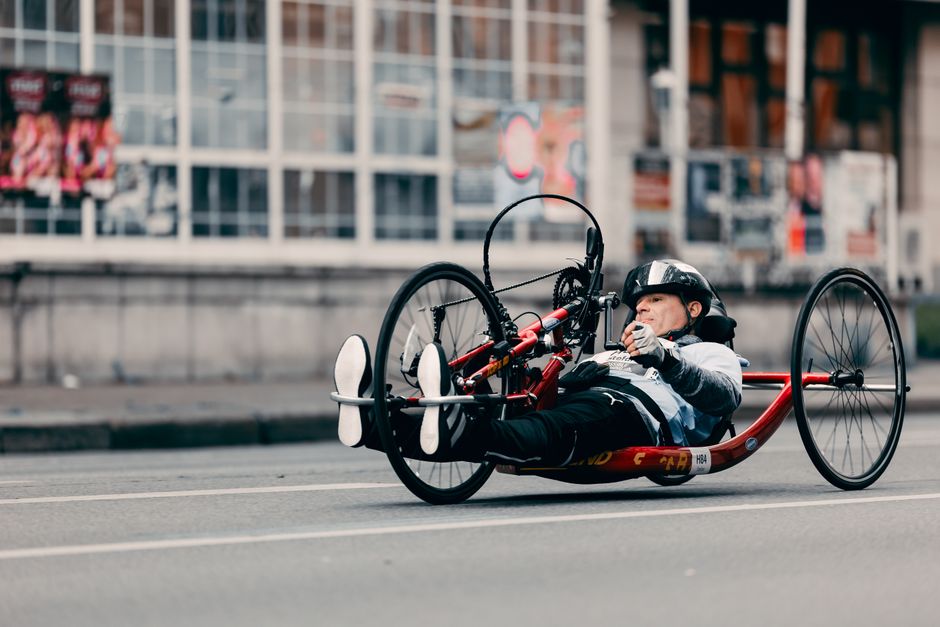
The Role of Sodium in Athletic Performance: Optimizing Hydration and Endurance
Sodium, an essential electrolyte, plays a critical and often misunderstood role in athletic performance. Its primary functions involve maintaining fluid balance, facilitating nerve impulse transmission, and supporting muscle contraction. For athletes, particularly those engaged in prolonged or intense exercise, adequate sodium intake is paramount for optimizing hydration, preventing muscle cramps, and ultimately, enhancing endurance and performance. Sodium is not simply a flavor enhancer; it is a vital component of the body’s electrolyte system, working in concert with other minerals like potassium, chloride, and magnesium to regulate numerous physiological processes crucial for athletic success.
The importance of sodium lies in its osmotic properties. Sodium ions are primarily found outside of cells, in the extracellular fluid, which includes blood plasma and interstitial fluid. This extracellular concentration of sodium creates an osmotic gradient, drawing water from areas of lower solute concentration (inside cells) to areas of higher solute concentration (outside cells). This mechanism is fundamental to maintaining blood volume and cellular hydration. During exercise, athletes lose sodium primarily through sweat. As sweat production increases to regulate body temperature, significant amounts of sodium are also excreted, leading to a depletion of extracellular sodium. This loss can disrupt fluid balance, leading to dehydration, reduced blood volume, and consequently, impaired performance. A decrease in blood volume can reduce the efficiency of oxygen delivery to working muscles, making it harder for the body to sustain effort. Furthermore, impaired fluid balance can lead to elevated core body temperature, increasing the risk of heat-related illnesses.
Muscle function is another area profoundly influenced by sodium. Sodium ions are crucial for the electrical excitability of muscle cells. The movement of sodium ions across the muscle cell membrane is a key step in initiating a muscle contraction. This process, known as depolarization, triggers the release of calcium within the muscle fiber, leading to the interaction of actin and myosin filaments and the generation of force. When sodium levels are depleted, the ability of muscle cells to depolarize effectively is compromised. This can manifest as muscle weakness, fatigue, and most notably, muscle cramps. While the exact mechanisms of exercise-associated muscle cramps are complex and multifactorial, electrolyte imbalances, particularly sodium depletion, are widely recognized as significant contributors. Maintaining adequate sodium levels helps ensure the proper functioning of the neuromuscular junction, allowing for efficient and sustained muscle activation throughout an athletic event.
The relationship between sodium, hydration, and performance is inextricably linked. During prolonged exercise, especially in hot and humid conditions, sweat rates can exceed 2 liters per hour. If fluid intake alone is relied upon to replace these losses, it can lead to a dilution of the remaining extracellular sodium. This condition, known as hyponatremia, occurs when the concentration of sodium in the blood drops to dangerously low levels. Hyponatremia can range from mild, with symptoms like nausea and headache, to severe, leading to confusion, seizures, coma, and even death. The primary driver of hyponatremia during endurance events is often excessive plain water consumption without adequate electrolyte replacement. Sodium helps the body retain ingested fluids. Without sufficient sodium, the ingested water passes through the kidneys more rapidly, failing to effectively rehydrate the body and potentially exacerbating the dilution of existing sodium. Therefore, strategically consuming sodium during exercise is not just about replacing losses but also about promoting fluid retention and maintaining optimal hydration status.
Determining individual sodium needs for athletes requires a nuanced approach, as several factors influence sweat sodium concentration and overall requirements. Sweat sodium concentration can vary significantly between individuals, typically ranging from 20 to 100 millimoles per liter (mmol/L), with some individuals exhibiting even higher concentrations. This variability is influenced by genetics, acclimatization to heat, diet, and the intensity and duration of exercise. Athletes who are "salty sweaters," characterized by visible salt crystals on their skin or clothing after exercise, typically have higher sweat sodium concentrations and therefore greater sodium losses. Acclimatization to heat also plays a role; as the body adapts to exercising in hot environments, sweat becomes more dilute, meaning it contains less sodium, thus conserving this vital electrolyte. Diet is another important factor. Athletes with consistently high-sodium diets may have a higher baseline sodium level and potentially a greater capacity to retain sodium during exercise, although this is not always the case.
The intensity and duration of exercise are also critical determinants of sodium needs. Shorter, less intense workouts may not necessitate specific sodium supplementation, especially if preceded by a balanced meal. However, for events lasting longer than two hours, or for high-intensity efforts, especially in the heat, sodium replacement becomes increasingly important. The goal is to match sodium losses to a reasonable extent to prevent significant depletion without overshooting and contributing to hypernatremia. Sweat rates, as mentioned earlier, can be substantial, and if these losses are not addressed, the impact on performance and health can be significant. For example, an athlete sweating at 1 liter per hour with a sweat sodium concentration of 50 mmol/L will lose 50 mmol of sodium per hour. Over a 3-hour event, this equates to 150 mmol of sodium loss, a considerable amount that needs to be considered in their rehydration strategy.
Practical strategies for sodium intake before, during, and after athletic events are essential for optimizing performance and recovery. Pre-event nutrition should focus on ensuring adequate hydration and electrolyte balance. Consuming a sodium-containing meal or snack a few hours before prolonged or intense exercise can help replete sodium stores and promote fluid retention. For endurance athletes, incorporating sodium into their pre-event meal, such as adding salt to food or consuming a sports drink with electrolytes, can be beneficial. During exercise, the timing and form of sodium intake depend on the duration and intensity of the activity. For events exceeding one hour, sports drinks containing sodium are a common and effective method of replenishment. These drinks provide carbohydrates for energy and electrolytes, including sodium, to aid in fluid absorption and retention. The sodium concentration in sports drinks typically ranges from 20 to 50 mmol/L, which is generally appropriate for most athletes.
For very prolonged events or in extreme heat, athletes may benefit from more concentrated sodium sources. This could include electrolyte capsules or tablets, which deliver a higher dose of sodium per serving. It’s important for athletes to experiment with these options during training to determine tolerance and effectiveness. Consuming these capsules with sufficient fluid is crucial to prevent gastrointestinal distress. Some athletes may also opt for salty snacks like pretzels or salted nuts, though these can be less convenient and predictable in terms of precise sodium delivery during dynamic exercise. Post-exercise recovery is equally important for sodium replenishment. After prolonged or intense exercise, especially if significant sodium has been lost, replenishing sodium stores is vital for restoring fluid balance and facilitating muscle repair. Consuming a balanced meal with adequate sodium is generally sufficient for recovery. Sports drinks or electrolyte-containing recovery beverages can also be beneficial in the immediate post-exercise period to aid rehydration and electrolyte restoration.
The debate surrounding optimal sodium intake for athletes often hinges on the potential risks versus the benefits. While sodium is essential, excessive intake can lead to health issues, particularly for individuals with pre-existing conditions like hypertension. However, for most athletes engaged in significant physiological stress through exercise, the risk of inadequate sodium intake during performance is a more pressing concern than the risk of excessive intake from carefully planned sports nutrition strategies. The key is to strike a balance. Athletes should aim to meet their physiological needs without consuming excessive amounts of sodium, which could be detrimental. This requires individualized assessment and careful planning.
Monitoring hydration status and electrolyte balance is crucial for athletes. Urine color can be a simple, albeit not perfectly precise, indicator of hydration. Pale yellow urine generally indicates adequate hydration, while dark yellow or amber urine suggests dehydration. However, urine color can be influenced by vitamin supplements and other dietary factors. Subjective feelings of thirst are also important, but they can lag behind actual hydration needs, especially during intense exercise. Athletes should aim to drink to thirst, but with the knowledge that during prolonged exercise, thirst alone may not be sufficient to maintain optimal fluid and electrolyte balance. Tracking body weight before and after exercise can also provide valuable insights. A significant drop in body weight (more than 2-3%) during exercise indicates fluid loss that has not been adequately replaced.
The role of sodium in preventing and treating heat-related illnesses cannot be overstated. Heat exhaustion and heatstroke are serious conditions that can arise from severe dehydration and electrolyte imbalances. By promoting fluid retention and regulating body temperature, adequate sodium intake contributes to the body’s ability to cope with heat stress. When sodium levels are depleted, the body’s thermoregulatory mechanisms become less effective, increasing the risk of heat illness. Therefore, proper sodium management is a critical component of heat acclimatization and heat safety protocols for athletes.
In conclusion, sodium is an indispensable electrolyte for athletic performance, directly impacting hydration, muscle function, and endurance. While excessive sodium intake can pose health risks, the consequences of sodium depletion during prolonged or intense exercise are significant and can severely impair performance and health. Athletes must adopt a personalized approach to sodium intake, considering their individual sweat rates, acclimatization status, the duration and intensity of their activity, and environmental conditions. Strategic consumption of sodium before, during, and after exercise, through methods like sports drinks, electrolyte capsules, and balanced meals, is crucial for maintaining optimal hydration, preventing muscle cramps, and ultimately, achieving peak athletic performance. Understanding the multifaceted role of sodium empowers athletes to make informed nutritional decisions, enhancing their training, competition, and overall well-being.
