The 4th Global IAPD Summit to Coincide with Sagrada Família’s Milestone Completion in Barcelona

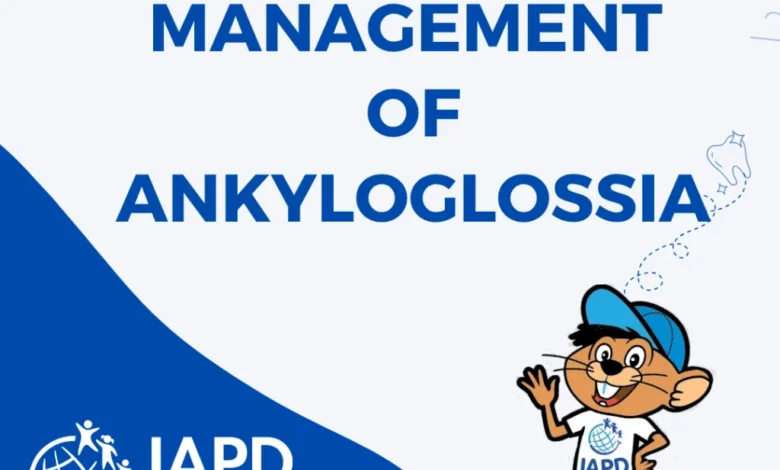
The international paediatric dentistry community is gearing up for a landmark event in Barcelona, Spain, as the 4th Global IAPD Summit is scheduled to take place from November 13-15, 2026. This highly anticipated gathering of professionals will not only delve into the latest advancements and critical discussions within paediatric dentistry but will also coincide with a historically significant moment for one of the world’s most iconic architectural marvels: the anticipated completion of the central tower of Antoni Gaudí’s Sagrada Família.
This unique confluence of events presents a once-in-a-lifetime opportunity for delegates. The Summit, organized by the International Association of Paediatric Dentistry (IAPD), aims to foster collaboration, share cutting-edge research, and shape the future of oral healthcare for children. Simultaneously, Barcelona will be celebrating the near-completion of Gaudí’s unfinished masterpiece, a project that has been underway for over 140 years. 2026 marks a pivotal year for the basilica, as it is expected to see the completion of its tallest tower, the Tower of Jesus Christ, a moment that will also commemorate the centenary of Gaudí’s death. This provides a profound backdrop for the Summit, mirroring themes of vision, perseverance, and intergenerational collaboration that are central to both the architectural endeavor and the pursuit of excellence in paediatric dentistry.
The 4th Global IAPD Summit is poised to be a significant forum for pediatric dentists, researchers, educators, and allied health professionals from across the globe. The scientific program is expected to cover a wide spectrum of contemporary issues, including early orthodontic interventions, advancements in minimally invasive techniques, the management of common childhood oral health conditions, and the integration of new technologies in practice. Beyond the scientific discourse, the Summit offers invaluable networking opportunities, allowing participants to forge new connections, exchange ideas, and strengthen professional bonds with colleagues from diverse backgrounds and geographical regions. The choice of Barcelona, a city renowned for its rich cultural heritage, vibrant atmosphere, and architectural splendor, further enhances the appeal of this event, promising an enriching experience that extends beyond the conference halls.

A Historic Convergence: Sagrada Família and Paediatric Dentistry
The alignment of the 4th Global IAPD Summit with the near completion of the Sagrada Família’s central tower is more than a mere coincidence; it serves as a powerful metaphor. The Sagrada Família, a testament to Gaudí’s visionary genius and the dedication of countless artisans and workers across generations, embodies the principles of long-term planning, meticulous execution, and the pursuit of an ambitious, transformative goal. These are precisely the qualities that drive progress in paediatric dentistry.
The IAPD, as a leading global organization, is committed to advancing the science and practice of paediatric dentistry. Its Summits serve as crucial platforms for disseminating knowledge, fostering innovation, and setting standards of care. The 2026 Summit in Barcelona will undoubtedly build upon the legacy of previous IAPD gatherings, which have consistently brought together the brightest minds in the field to address the evolving challenges and opportunities in children’s oral health.
The Sagrada Família’s journey to completion, spanning well over a century, reflects the persistent effort and unwavering commitment required to achieve monumental objectives. Similarly, improving the oral health of children worldwide is a long-term endeavor that demands sustained dedication, continuous research, and collaborative action. The anticipation surrounding the completion of the basilica’s central tower in 2026 resonates with the IAPD’s ongoing mission to build a healthier future for children through excellence in paediatric dentistry.

JSPD Travel Award: Empowering Early-Career Researchers
In a significant move to foster global participation and support emerging talent, the International Association of Paediatric Dentistry (IAPD) is extending an invitation for eligible early-career researchers from developing countries to apply for the prestigious Japanese Society of Pediatric Dentistry (JSPD) Travel Award. This award offers a unique platform for outstanding young investigators to present their groundbreaking research at the 4th Global IAPD Summit in Barcelona.
The JSPD Travel Award, generously supported by the Japanese Society of Pediatric Dentistry, aims to facilitate the dissemination of research that contributes significantly to the advancement of paediatric dentistry and the improvement of child oral health. Up to two awards will be granted to exceptional candidates, recognizing their potential to make substantial contributions to the field. This initiative underscores the IAPD’s commitment to nurturing the next generation of leaders in paediatric dentistry and ensuring diverse perspectives are represented at its international forums.
The abstract submission process for the Summit is now open, and interested early-career researchers are strongly encouraged to submit their work and concurrently apply for the JSPD Travel Award. This is an invaluable opportunity to gain international exposure, connect with leading experts, and become an integral part of the global dialogue shaping the future of paediatric oral healthcare. The deadline for abstract submissions and award applications is a critical factor for potential applicants, and further details regarding eligibility criteria and submission guidelines can be found on the IAPD website.

IAPD Symposium at FDI World Dental Congress in Prague
Adding to a busy schedule of international engagements, the IAPD will also host a dedicated symposium at the FDI World Dental Congress in Prague, Czech Republic, from September 4-7, 2026. This collaboration highlights the IAPD’s proactive approach to extending its reach and contributing to broader dental health discussions.
The symposium will commence with an address by Prof. Dr. Figen Seymen, Immediate Past President of the IAPD, who will provide an overview of the association’s expanding educational initiatives. Prof. Seymen will then deliver a presentation on "Minimal Intervention in Paediatric Dentistry," a topic of paramount importance in contemporary dental practice, emphasizing preventive strategies and conservative treatment approaches.
Following Prof. Seymen’s presentation, Dr. Arina Vinereanu from Romania will address "Pain Management in Paediatric Dentistry," a crucial aspect of providing compassionate and effective care to young patients. The program will conclude with a presentation by Dr. Jana Vašková from the Czech Republic on "Prefabricated Crowns in Paediatric Dentistry," offering practical insights into restorative solutions for children.
This symposium promises to be a valuable platform for knowledge exchange, bringing together international perspectives on evidence-based care and practical clinical strategies. The IAPD warmly invites all colleagues attending the FDI World Dental Congress in Prague to join this important session, fostering a spirit of collaboration and shared learning within the global dental community.
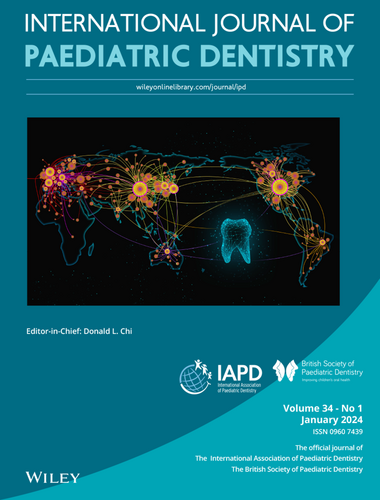
Digital Transformation: The International Journal of Paediatric Dentistry Goes Online
In a significant step towards greater sustainability and accessibility, the International Journal of Paediatric Dentistry (IJPD) has transitioned to a digital-first format. This strategic shift aims to streamline the dissemination of cutting-edge research, reduce environmental impact associated with printing and international shipping, and provide a more convenient and efficient experience for its readership.
The move to a digital-first model is a reflection of the evolving landscape of academic publishing and the IAPD’s commitment to embracing modern, environmentally responsible practices. IAPD members can now access the latest issues and articles directly through the IAPD Membership Portal, ensuring immediate access to vital research findings.
The journal also encourages readers to sign up for email alerts via its homepage, enabling them to stay informed about new publications as soon as they are released. This digital transformation not only enhances the accessibility of critical research but also reinforces the IAPD’s dedication to fostering a sustainable and globally connected scientific community.
Celebrating IAPD Fellows and Future Opportunities
The IAPD is also celebrating the successful completion of examinations by its fellows in 2025, recognizing their dedication and commitment to continuous professional development. This achievement signifies a high level of expertise and a commitment to advancing the field of paediatric dentistry.
Furthermore, the organization has announced that applications for the 2027 Examination are now open, providing a new cohort of aspiring fellows with the opportunity to pursue this esteemed professional recognition. The rigorous examination process ensures that IAPD fellows meet the highest standards of knowledge and clinical proficiency, contributing to the overall quality of paediatric dental care worldwide.
Shofu and IAPD: A Continued Partnership in Caries Management Innovation
The International Association of Paediatric Dentistry is proud to highlight its enduring collaboration with Shofu, a global leader in dental innovation and a dedicated sponsor of the IAPD Caries Management Awards. Shofu’s century-long legacy of pioneering advancements in dental materials and technology aligns perfectly with the IAPD’s mission to promote excellence in paediatric oral healthcare.
Shofu’s commitment to research and development has consistently yielded groundbreaking solutions, from early advancements in porcelain teeth to the creation of next-generation dental materials utilizing nanotechnology. Their focus on preventive, minimally invasive, and evidence-based dental care resonates deeply with the principles guiding modern paediatric dentistry.
The company’s dedication to innovation is further exemplified by its sponsorship of a special, one-off award to be presented exclusively at the 31st IAPD Congress in Osaka, Japan, in 2027. This unique award underscores Shofu’s commitment to recognizing and fostering excellence and innovation within the paediatric dentistry community. The ongoing partnership between IAPD and Shofu signifies a shared vision for advancing scientific excellence and clinical innovation in caries management, ultimately benefiting children’s oral health globally.

Upcoming IAPD Webinars Offer Clinical Insights
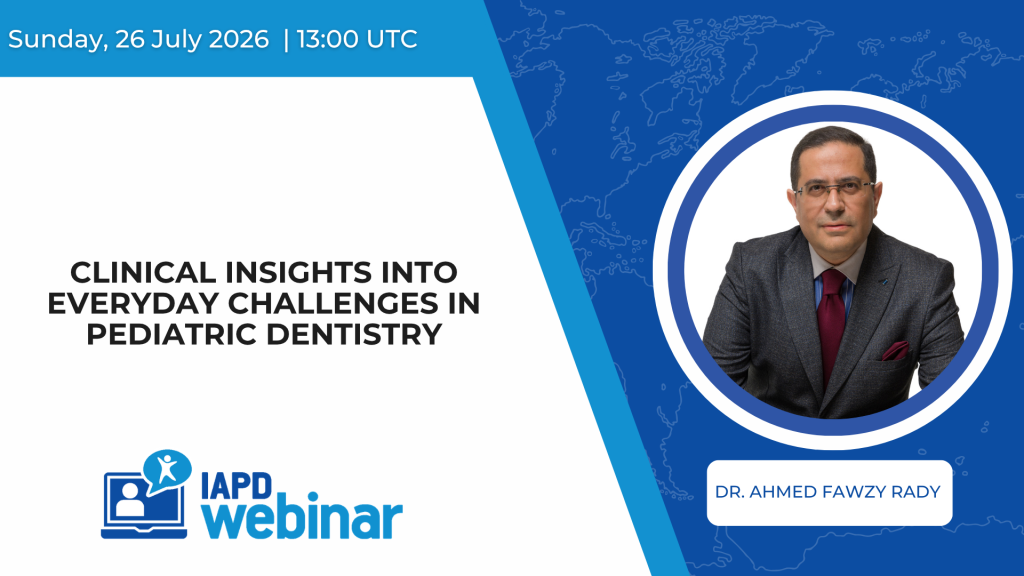
The IAPD continues to expand its educational offerings through a series of engaging webinars designed to provide valuable clinical insights to dental professionals. A noteworthy upcoming webinar is scheduled for July 26, featuring Dr. Ahmed Fawzy Rady, who will present on "Clinical Insights into Everyday Challenges in Pediatric Dentistry." This session is expected to offer practical guidance and solutions for common issues encountered in paediatric dental practice.
Important information regarding IAPD webinars includes their exclusive availability on Zoom, with no live streaming on social media platforms. This ensures a focused and interactive learning environment. IAPD members are particularly encouraged to participate, as they are eligible to receive certificates of attendance and gain access to recorded lectures in the IAPD Video Lecture Centre, providing a valuable resource for ongoing learning. The organization emphasizes the significant benefits of IAPD membership, urging interested professionals to join and leverage these exclusive opportunities.
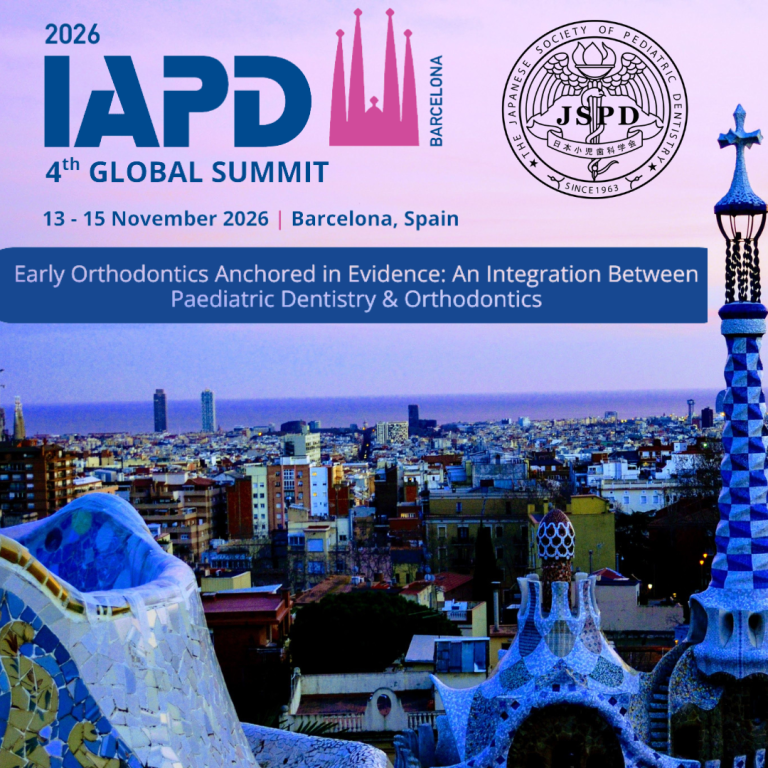
Spotlight on IAPD Consensus Recommendations: Management of Ankyloglossia
This month’s featured content highlights the IAPD’s Consensus Recommendation on the Management of Ankyloglossia, commonly known as tongue-tie. This condition, characterized by a short or tight lingual frenulum that restricts tongue movement, can affect feeding and speech. While relatively common in newborns, its diagnosis and management remain subjects of ongoing discussion among healthcare professionals.
The IAPD’s latest consensus recommendations emphasize the critical importance of thorough assessment and careful case selection prior to considering surgical intervention. These recommendations provide healthcare providers with practical guidance to support optimal care for children affected by ankyloglossia, promoting evidence-based decision-making and patient-centered approaches.
News from Around the Globe: Engaging National Member Societies
The IAPD actively encourages engagement from its National Member Societies, providing a platform for them to showcase their events on the IAPD website. This initiative aims to foster a connected global community and promote the dissemination of information about relevant national and international activities within paediatric dentistry. Societies are invited to submit details of their events, further strengthening the network and collaborative spirit of the IAPD.