
Halibut With Lemon Herb White Beans
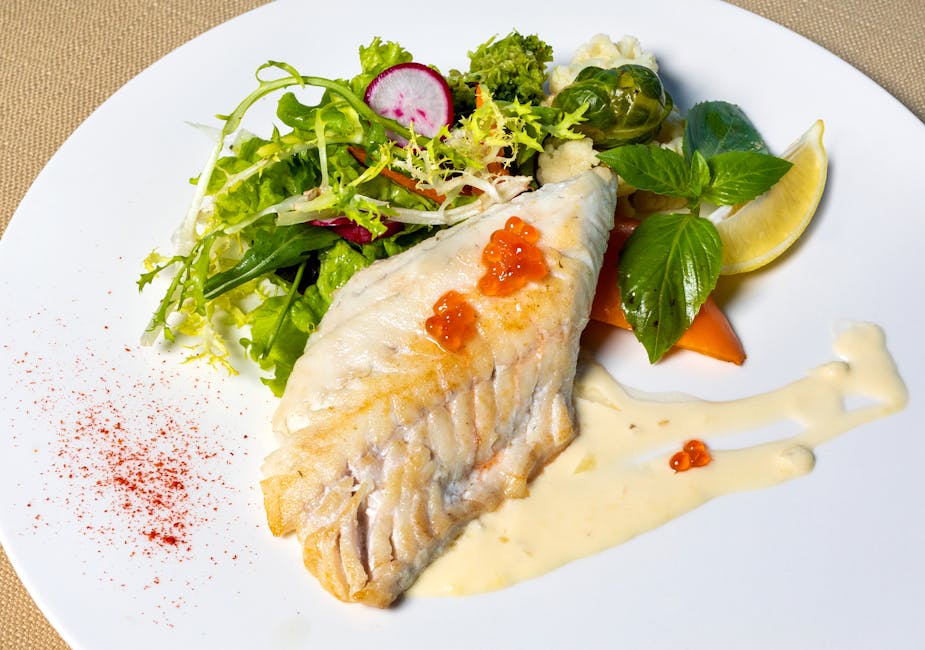
Halibut with Lemon Herb White Beans: A Culinary Masterpiece for Health and Flavor
Halibut, a magnificent flatfish inhabiting the cold waters of the North Atlantic and North Pacific, stands as a testament to the ocean’s bounty, offering a firm, flaky texture and a delicate, slightly sweet flavor that makes it a prized ingredient in kitchens worldwide. Its lean profile, packed with high-quality protein and essential omega-3 fatty acids, positions it as a cornerstone of healthy eating, while its subtle taste serves as a versatile canvas for a myriad of culinary preparations. This article delves into the nutritional prowess and gastronomic versatility of halibut, focusing on a particularly exquisite preparation: Halibut with Lemon Herb White Beans. This dish, a harmonious blend of oceanic goodness and vibrant plant-based flavors, is not only a delight for the palate but also a powerhouse of nutrients, promising a satisfying and wholesome dining experience.
The nutritional profile of halibut is nothing short of impressive, making it an excellent choice for health-conscious individuals. A typical 3-ounce serving of cooked halibut provides around 17 grams of protein, crucial for muscle building and repair, as well as for maintaining satiety. Its fat content is remarkably low, typically less than 2 grams per serving, with a significant portion of that being the beneficial omega-3 fatty acids, EPA (eicosapentaenoic acid) and DHA (docosahexaenoic acid). These polyunsaturated fats are renowned for their anti-inflammatory properties, contributing to cardiovascular health by lowering blood pressure, reducing triglyceride levels, and inhibiting the formation of blood clots. Furthermore, omega-3s are vital for brain function, playing a role in cognitive health and potentially reducing the risk of neurodegenerative diseases. Beyond protein and healthy fats, halibut is a good source of several essential vitamins and minerals. It contains notable amounts of Vitamin B12, vital for nerve function and DNA synthesis, and selenium, a powerful antioxidant that protects cells from damage and supports thyroid health. It also provides phosphorus, important for bone health, and magnesium, involved in over 300 biochemical reactions in the body. The absence of carbohydrates and its low calorie count further elevate halibut as a dietary champion, particularly for those managing weight or adhering to low-carbohydrate lifestyles.
The preparation of Halibut with Lemon Herb White Beans elevates this exceptional fish to new culinary heights by pairing it with nutrient-dense legumes and bright, aromatic herbs. The white beans, typically cannellini or great northern beans, are themselves nutritional powerhouses. They are an excellent source of plant-based protein and dietary fiber, with a single cup offering around 15 grams of protein and a substantial portion of the recommended daily fiber intake. This fiber content is instrumental in digestive health, promoting regularity and contributing to a feeling of fullness, which can aid in weight management. White beans are also rich in complex carbohydrates, providing sustained energy release, and are a good source of iron, crucial for oxygen transport in the blood, and folate, essential for cell growth and metabolism. Their mineral content extends to potassium, which helps regulate blood pressure, and magnesium. The combination of protein and fiber in white beans makes them a filling and satisfying component of any meal.
The "lemon herb" element in this dish introduces a burst of freshness and a wealth of micronutrients. Lemon, renowned for its vitamin C content, acts as a powerful antioxidant, bolstering the immune system and promoting collagen production for healthy skin. Its acidity also aids in digestion by stimulating the production of digestive juices. The herbs commonly used in such a preparation—such as parsley, chives, dill, or thyme—are not merely flavor enhancers; they are miniature nutritional powerhouses in their own right. Parsley, for instance, is rich in vitamins K and C, and contains beneficial flavonoids. Chives offer vitamins A and C, and contribute minerals like calcium and potassium. Dill provides vitamin C and manganese, while thyme is a source of vitamin C and antioxidants. These herbs contribute unique flavor profiles that complement the subtle sweetness of the halibut and the earthy notes of the white beans, creating a complex and layered taste experience.
The preparation of Halibut with Lemon Herb White Beans often involves pan-searing or baking the halibut to achieve a perfectly flaky interior and a lightly crisped exterior. Pan-searing allows for precise control over the cooking process, resulting in a beautifully caramelized crust that locks in moisture. Baking, on the other hand, offers a more hands-off approach and can be ideal for cooking larger portions or when aiming for an even gentler cooking method. The white beans are typically simmered with aromatics such as garlic and onion, then tossed with fresh lemon juice, olive oil, and the chosen herbs. This simple yet effective technique infuses the beans with vibrant flavors without overpowering the delicate taste of the halibut. Olive oil, a staple of the Mediterranean diet, contributes monounsaturated fats, which are beneficial for heart health, and antioxidants.
From an SEO perspective, the keywords "halibut," "lemon herb white beans," "healthy fish recipes," "omega-3 rich fish," "lean protein," "Mediterranean diet," "gluten-free recipes," and "high protein meals" are highly relevant and will attract users searching for nutritious and flavorful meal ideas. The comprehensive discussion of nutritional benefits, preparation methods, and flavor profiles caters to a wide audience, from home cooks seeking inspiration to health-conscious individuals looking for dietary information.
The culinary versatility of halibut extends far beyond this specific preparation. It can be grilled, broiled, poached, or used in stews and chowders. Its firm texture holds up well to various cooking methods, making it a forgiving fish for novice cooks. When choosing halibut, look for firm, moist flesh with a pearly white color. Wild-caught Alaskan halibut is often considered a premium choice due to its sustainable fishing practices and exceptional quality.
The integration of white beans into this dish significantly boosts its fiber content, which is a crucial element often lacking in modern diets. Adequate fiber intake is linked to a reduced risk of chronic diseases, including type 2 diabetes, heart disease, and certain types of cancer. It also plays a vital role in maintaining a healthy gut microbiome, which is increasingly recognized for its impact on overall health and well-being, including immune function and mental health. The prebiotic nature of white beans feeds beneficial gut bacteria, fostering a balanced ecosystem within the digestive tract.
The acidity of lemon juice in this recipe not only brightens the flavors but also helps to tenderize the fish slightly during the cooking process, especially if used as a marinade. The combination of lemon and herbs creates a fresh and zesty flavor profile that is both invigorating and satisfying. This bright, clean taste makes the dish particularly appealing during warmer months but is enjoyable year-round. The simplicity of the ingredients allows the natural flavors of the halibut and the fresh herbs to shine through, creating a dish that is elegant in its restraint.
The preparation of the white beans can be varied. For a quicker meal, canned beans can be used, provided they are rinsed thoroughly to remove excess sodium. However, cooking dried beans from scratch often yields a superior texture and flavor. Soaking dried beans overnight or using a quick-soak method before simmering them with aromatics like bay leaves, garlic, and a touch of celery or carrot can imbue them with a deeper flavor. The cooking liquid from the beans can also be reserved and used as a base for a light sauce, adding further depth and body to the dish.
When presenting Halibut with Lemon Herb White Beans, consider garnishing with fresh, finely chopped parsley or chives for an extra burst of color and flavor. A drizzle of high-quality extra virgin olive oil just before serving can also enhance the richness and aroma. This dish pairs wonderfully with a crisp white wine, such as a Sauvignon Blanc or Pinot Grigio, whose acidity complements the lemon and cuts through the richness of the fish. A side of steamed asparagus or a light, mixed green salad would complete this balanced and nutritious meal.
The health benefits are further amplified by the absence of refined carbohydrates and excessive saturated fats in this recipe. It is inherently gluten-free, making it suitable for individuals with celiac disease or gluten sensitivity. The focus on whole, unprocessed ingredients ensures that the body receives a wealth of essential nutrients without the burden of empty calories or inflammatory compounds often found in highly processed foods. The lean protein from the halibut aids in muscle maintenance and repair, making it an excellent post-exercise meal. The complex carbohydrates from the beans provide sustained energy, ideal for fueling active lifestyles.
In terms of search engine optimization, utilizing long-tail keywords such as "pan-seared halibut recipe with white beans and lemon," "quick and healthy fish dinner ideas," "nutritious seafood and legume meal," and "best way to cook halibut with herbs" can attract highly targeted traffic. The detailed explanation of the ingredients, their nutritional contributions, and the cooking process provides valuable content that search engines favor. The emphasis on "healthy," "nutritious," and "lean protein" directly addresses user search intent for dietary information.
The cultural significance of both halibut and legumes in various global cuisines further adds to the appeal and searchability of this dish. Halibut is a staple in many coastal communities, while beans have been a fundamental food source for millennia, revered for their sustenance and versatility. This dish, by bringing them together, taps into a rich culinary heritage. The Mediterranean diet, which heavily influences this recipe with its emphasis on fresh produce, healthy fats, and lean proteins, is a globally recognized dietary pattern, increasing the likelihood of searches related to its principles.
Ultimately, Halibut with Lemon Herb White Beans is more than just a meal; it is a culinary statement about the power of simple, wholesome ingredients to create dishes that are both exceptionally delicious and profoundly beneficial for health. Its adaptability, nutritional density, and appealing flavor profile make it a standout choice for anyone seeking to enrich their diet with quality, flavor, and well-being. The SEO advantages stem from the inherent qualities of the dish itself – its healthfulness, its deliciousness, and its appeal to a wide range of dietary needs and preferences. This comprehensive approach to understanding and preparing Halibut with Lemon Herb White Beans ensures its enduring popularity and discoverability in the digital culinary landscape.
