Visiting the orthodontist for the first time can seem a significant step, particularly when the process ahead is unfamiliar. This initial appointment, however, serves as a crucial informational session, offering an invaluable opportunity for individuals to explore their specific needs, address concerns, ask pertinent questions, and receive expert, tailored treatment recommendations. Orthodontic intervention extends far beyond mere aesthetic enhancement, playing a pivotal role in optimizing oral health and dental function. These functional improvements are fundamental for efficient chewing, articulate speech, and contribute significantly to overall systemic well-being. Whether an individual is contemplating orthodontic treatment for themselves or a family member, a clear understanding of the initial consultation process is instrumental in mitigating anxiety and establishing a solid foundation for a successful and transformative treatment journey.
The inaugural visit to an orthodontic practice is meticulously designed to lay the essential groundwork for achieving a future, healthier smile. This comprehensive process is calibrated to thoroughly assess an individual’s unique orthodontic requirements and to present a range of potential treatment modalities. This ensures that prospective patients gain a holistic understanding of every facet of their impending care. This article, guided by the authoritative insights of organizations like the American Association of Orthodontists (AAO), delineates each phase of this foundational visit, encompassing everything from the initial administrative procedures and comprehensive examination to detailed treatment discussions and pragmatic financial planning.
The Evolving Landscape of Orthodontic Care: A Historical and Modern Perspective
Orthodontics, a specialized branch of dentistry focused on the diagnosis, prevention, and treatment of dental and facial irregularities, has a rich history marked by continuous innovation. Early forms of tooth straightening can be traced back to ancient civilizations, where rudimentary bands and metal strips were used. However, the true scientific foundation of modern orthodontics began to solidify in the 18th and 19th centuries with pioneers like Pierre Fauchard, often regarded as the "Father of Modern Dentistry," who introduced early orthodontic appliances. The 20th century saw the emergence of standardized techniques and appliances, notably Edward Angle’s classification of malocclusion, which remains a fundamental diagnostic tool today.
The 21st century has ushered in an era of unprecedented technological advancement within the field. Digital imaging, including panoramic and cephalometric X-rays, has become standard, offering precise anatomical insights with reduced radiation exposure. Three-dimensional (3D) imaging technologies, such as Cone-Beam Computed Tomography (CBCT), provide highly detailed views of craniofacial structures, allowing for meticulous treatment planning, especially in complex cases involving impactions or surgical interventions. Intraoral scanners have revolutionized the impression-taking process, replacing traditional, often uncomfortable, putty molds with quick, accurate digital scans. These digital models facilitate virtual treatment planning, enabling orthodontists to simulate tooth movements and predict outcomes with remarkable precision. Furthermore, the advent of clear aligner technology, driven by advanced biomechanics and custom fabrication, has broadened the appeal of orthodontics, particularly among adult patients seeking less conspicuous treatment options. These technological leaps underscore the sophisticated nature of modern orthodontic diagnosis and treatment, directly impacting the thoroughness and efficacy of the initial consultation.
According to data from the American Association of Orthodontists, an estimated 4 million Americans are undergoing orthodontic treatment at any given time, with a significant portion being adults. The prevalence of malocclusion, or misaligned bites, varies widely but affects a substantial majority of the population to some degree. Common conditions include crowding, spacing, overbites (Class II malocclusion), underbites (Class III malocclusion), and crossbites. These conditions not only impact aesthetics but can also lead to functional issues such as difficulty chewing, speech impediments, increased susceptibility to tooth decay and gum disease due to challenges in oral hygiene, and even temporomandibular joint (TMJ) disorders. The growing awareness of these functional benefits, coupled with the increasing availability of discreet treatment options, has led to a demographic shift, with adult orthodontics experiencing a notable surge in recent decades.
Preparing for Your Initial Orthodontic Consultation: Setting the Stage for Success
To ensure a streamlined and productive initial visit, meticulous preparation is paramount. While many practices now offer the convenience of online pre-registration and digital submission of documents, it remains crucial to arrive with all necessary information, whether in electronic or physical format. Key items typically requested include:
- Comprehensive Medical History: This encompasses any systemic health conditions (e.g., diabetes, heart conditions), allergies, current medications (prescription and over-the-counter), and previous surgeries or hospitalizations. This information is vital for the orthodontist to identify any potential contraindications to certain treatments or medications, ensuring patient safety throughout the orthodontic journey.
- Detailed Dental History: Information regarding past dental treatments, previous orthodontic work (if any), history of cavities, gum disease, extractions, or dental trauma is essential. This provides context for the current oral health status and helps the orthodontist understand any pre-existing conditions that might influence treatment planning.
- Insurance Information: Details of dental insurance coverage, including policy numbers, group numbers, and contact information for the insurance provider, are necessary for the financial consultation. This allows the administrative team to verify benefits and provide an accurate estimate of out-of-pocket costs.
- Referral Forms (if applicable): If referred by a general dentist or another specialist, any accompanying referral letters or notes should be brought along.
- List of Questions and Concerns: Proactively compiling a list of questions regarding treatment options, duration, discomfort, aesthetics, diet restrictions, oral hygiene, and desired outcomes empowers the patient to actively participate in the discussion and ensures all concerns are addressed.
- Photographs (if requested): Some practices may request recent photographs of the patient’s smile or face, particularly for online consultations or initial assessments.
It is important to remember that this initial visit is a reciprocal process. While the orthodontic team is assessing the patient’s needs, it is equally an opportunity for the patient to evaluate the practice, the orthodontist, and their team. Establishing a comfortable rapport and confidence in the chosen provider is a cornerstone of a successful treatment experience.
Decoding Your First Visit: A Step-by-Step Breakdown
Your inaugural visit to the orthodontist is strategically structured to culminate in a personalized treatment plan that precisely aligns with your unique goals and clinical needs. During this foundational appointment, the orthodontist employs a systematic approach, leveraging various techniques and technologies to construct the blueprint for your future smile. Here is a detailed breakdown of what typically transpires:
1. The Warm Welcome: Introduction and Administrative Essentials
Upon arrival, patients are typically greeted by the orthodontic office staff, who play a critical role in facilitating the initial administrative processes. If not completed beforehand online, new patient paperwork will be provided. This documentation is crucial, gathering vital information such as medical and dental histories, personal demographics, any specific health concerns, and preliminary treatment preferences. These details are indispensable for tailoring the treatment plan to individual needs, ensuring patient comfort, and maximizing satisfaction throughout the orthodontic journey. The administrative team also provides an initial overview of the office procedures and what to expect during the visit, helping to ease any initial apprehension.
2. Comprehensive Diagnostic Assessment: Beyond the Visual Exam
Following the administrative intake, the patient will meet the orthodontist for the initial clinical examination. This comprehensive assessment goes beyond a superficial glance, involving a thorough inspection of the teeth, gums, soft tissues, jaw structures, and bite alignment. The primary objective is to ascertain the current state of oral health and precisely identify any orthodontic issues requiring correction, such as overcrowding, spacing, various forms of malocclusion (overbite, underbite, crossbite), or jaw discrepancies.
During this critical phase, the orthodontist utilizes an array of advanced diagnostic tools, which may include:
- Clinical Oral Examination: A meticulous visual inspection of the oral cavity, including teeth, gums, tongue, and other soft tissues, to identify any signs of decay, gum disease, or other anomalies. The orthodontist also assesses the symmetry and balance of the facial features, as these are often influenced by underlying skeletal and dental structures.
- Digital X-rays:
- Panoramic X-ray: Provides a broad, two-dimensional view of the entire mouth, including all teeth (erupted and unerupted), jawbones, and surrounding structures. It helps identify impacted teeth, missing teeth, cysts, tumors, and general bone health.
- Cephalometric X-ray: A lateral (side view) X-ray of the head, which displays the relationship of the jaws to each other and to the base of the skull. This is crucial for evaluating growth patterns, identifying skeletal discrepancies, and planning orthodontic tooth movements relative to the facial profile.
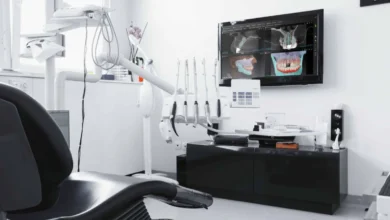
- 3D Imaging (Cone-Beam CT – CBCT): In more complex cases, or when precise anatomical detail is required (e.g., for impacted canines, assessing bone volume for mini-implants, or surgical planning), a CBCT scan may be taken. This provides a three-dimensional view of the dental and skeletal structures, offering unparalleled diagnostic clarity.
- Intraoral Scanners: These handheld devices capture highly accurate digital impressions of the teeth and gums, eliminating the need for traditional, messy, and sometimes uncomfortable putty molds. The resulting 3D digital model is used for treatment planning, appliance fabrication, and tracking progress.
- Photographs: A series of intraoral (inside the mouth) and extraoral (facial) photographs are taken. These serve as a baseline record, document the initial condition, aid in treatment planning, and are invaluable for monitoring progress throughout the orthodontic journey.
This detailed diagnostic data collection is paramount. As Dr. Evelyn Reed, a board-certified orthodontist with over two decades of experience, explains, "The diagnostic phase is where we truly understand the individual’s unique biological landscape. It’s not just about looking at crooked teeth; it’s about evaluating bone structure, growth potential, functional issues, and how all these elements interact. The advanced imaging allows us to see what’s beneath the surface, ensuring our treatment plan is not only effective but also biologically sound and stable long-term."
3. The Consultative Dialogue: Understanding Your Unique Needs
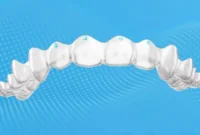
Following the comprehensive examination and diagnostic imaging, the orthodontist will engage in a detailed discussion of their findings with the patient and, if applicable, their guardians. This conversation is designed to clearly articulate any identified orthodontic issues, explain their potential implications for oral health, and elucidate how these conditions might be contributing to functional or aesthetic concerns. The orthodontist will then outline potential treatment options, introducing various types of appliances, such as traditional metal braces, ceramic braces, lingual braces, or clear aligners, and provide a general overview of what to expect during the treatment process.
This phase is also a critical juncture for patient engagement. It is the opportune moment to ask any questions, voice concerns, and express personal preferences regarding treatment. Whether inquiries pertain to the treatment duration, potential discomfort, aesthetic considerations of appliances, oral hygiene routines, or anticipated outcomes, the orthodontist is prepared to provide clear, comprehensive answers. This open dialogue ensures that patients feel fully informed, heard, and confident in the proposed path forward.
4. Crafting Your Blueprint: The Personalized Treatment Plan
Based on the thorough initial examination, diagnostic data, and the interactive discussion, the orthodontist will then propose a customized treatment plan. This plan is meticulously tailored to the patient’s unique clinical needs and personal goals. It will delineate the recommended course of action, specifying which orthodontic appliances will be utilized, the sequence of treatment phases, and any adjunctive therapies (e.g., palatal expanders, temporary anchorage devices) that may be required.
Key components of the treatment plan include:
- Recommended Appliances: A detailed explanation of the chosen braces or aligners, including their advantages and considerations.
- Estimated Duration of Treatment: A realistic projection of how long the active treatment phase is expected to last, typically ranging from 12 to 36 months, depending on complexity.
- Anticipated Outcomes: A clear vision of the expected aesthetic improvements and, critically, the functional enhancements related to bite correction, chewing efficiency, and oral hygiene.
- Potential Risks and Limitations: A candid discussion about any associated risks (e.g., root resorption, discomfort, compliance requirements) or limitations of the proposed treatment plan, ensuring informed consent.
- Retention Phase: An emphasis on the crucial post-treatment retention phase, which involves wearing retainers to maintain the achieved results long-term.
A well-defined treatment plan serves as the patient’s roadmap, providing clarity and managing expectations for the entire journey toward a healthy, aligned smile.
5. Navigating the Financial Landscape: Investment in Your Smile
Following the agreement on a treatment plan, a dedicated member of the orthodontic team, often a treatment coordinator, will conduct a comprehensive financial consultation. This session is designed to provide full transparency regarding the cost of treatment. The team will present a detailed breakdown of fees, discuss available payment options, clarify insurance coverage specifics, and outline any potential discounts, in-house financing plans, or third-party lending options offered by the practice.
Understanding the financial aspect is crucial for informed decision-making. Orthodontic treatment costs can vary significantly based on the complexity of the case, the type of appliances chosen, and the geographic location of the practice. For instance, according to recent industry surveys, the average cost for traditional braces can range from $3,000 to $7,000, while clear aligners might range from $4,000 to $8,000. Many practices offer flexible payment plans, often interest-free, to make treatment more accessible. The administrative team will also assist in navigating dental insurance benefits, explaining deductibles, co-pays, and annual maximums, and will typically handle the submission of claims on behalf of the patient. This ensures that patients have all the necessary information to confidently proceed with their investment in oral health.
6. Charting the Course: Scheduling Your Next Steps
Once the treatment plan is finalized and financial arrangements are confirmed, the next logical step is to schedule the upcoming appointments. This typically includes the appointment to commence active treatment, during which braces are bonded or clear aligners are delivered, along with detailed instructions for their care. In some instances, an additional visit may be scheduled for further diagnostic records or preliminary procedures before the main treatment begins.
The scheduling of these initial appointments marks the official commencement of the patient’s orthodontic journey. Consistency in attending scheduled appointments for adjustments and progress checks is paramount for timely and effective treatment progression. Many modern practices utilize advanced scheduling software and automated reminder systems to help patients stay on track.
7. The Ongoing Journey: Follow-Up and Retention
Orthodontic treatment is not a single event but a dynamic process that extends beyond the initial appliance placement. Depending on the complexity of the case and the specifics of the treatment plan, patients will need to schedule regular follow-up appointments for adjustments, monitoring progress, and addressing any emerging concerns. These routine visits, typically every 4-8 weeks, are integral to ensuring that teeth are moving as planned and that the treatment is progressing efficiently toward the desired outcome.
Crucially, once the active phase of treatment is complete and the appliances are removed, the journey transitions into the vital retention phase. This involves wearing retainers, either removable or fixed, to stabilize the teeth in their new positions and prevent relapse. Consistent retainer wear, often lifelong, is a non-negotiable component of long-term orthodontic success. The orthodontist will schedule follow-up appointments during the retention phase to monitor the stability of the results and ensure the retainers are functioning effectively.
The Broader Impact and Public Health Perspective
The implications of orthodontic treatment extend far beyond the individual’s aesthetic aspirations, encompassing significant public health benefits and contributing to an enhanced quality of life. An aligned bite and straight teeth are easier to clean, thereby reducing the risk of common oral health issues such as dental caries (cavities), periodontal disease (gum disease), and abnormal tooth wear. Correcting malocclusion can also alleviate or prevent temporomandibular joint (TMJ) disorders, which can cause chronic pain, headaches, and difficulty chewing.
From a psychosocial standpoint, a confident smile can dramatically improve self-esteem, enhance social interactions, and even positively impact professional opportunities. Research consistently links improved oral health to better overall systemic health, underscoring the preventative nature of orthodontic care. The American Dental Association frequently highlights the systemic link between oral health and overall wellness, reinforcing orthodontics as a vital component of comprehensive preventive care. Economically, investing in orthodontics can potentially reduce the need for more complex and costly restorative dental work later in life that might arise from neglected bite problems or misaligned teeth. Organizations like the AAO play a crucial role in public health education, advocating for accessible, high-quality orthodontic care and setting professional standards that benefit the wider community.
Choosing Your Partner in Oral Health: The AAO Standard
Your first orthodontist appointment initiates an exciting journey toward achieving your healthiest, most confident smile. This comprehensive visit establishes the foundational treatment plan, meticulously tailored to your unique needs, and paves the way for successful orthodontic results. From the initial administrative processes to the thorough diagnostic examination, detailed discussion of treatment options, and transparent financial planning, each step is designed to ensure you are fully informed and comfortable with the entire process.
However, the efficacy and success of this journey begin with selecting the right orthodontic professional. The American Association of Orthodontists (AAO) is the premier professional organization for orthodontists, and membership signifies a commitment to the highest standards of care. The AAO admits only highly educated, licensed, and certified orthodontists who have completed an additional two to three years of specialized postgraduate training in an accredited orthodontic residency program beyond their general dental degree. This rigorous training distinguishes orthodontists from general dentists who may offer some orthodontic services, ensuring that AAO members possess the specialized knowledge and skills required to diagnose and treat complex bite problems and jaw irregularities effectively. Choosing an AAO orthodontist guarantees that you are entrusting your smile to a specialist dedicated to ethical practices, ongoing education, and delivering the best possible patient outcomes.
Embark on your orthodontic journey today by utilizing the AAO’s online locator to find a qualified AAO orthodontist near you and schedule your transformative first appointment.