Miniature Intraoral Robot Prototype Sets New Standard for Precision in Dental Crown Preparation

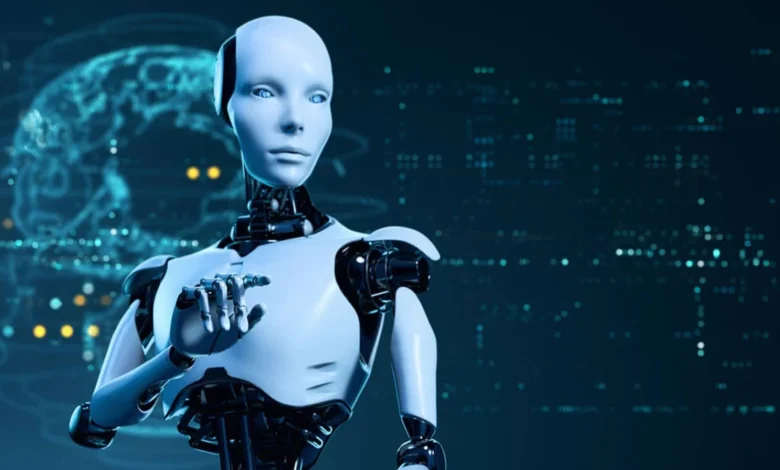
The field of restorative dentistry is on the precipice of a significant technological shift as researchers from the University of Basel in Switzerland unveil a prototype for a miniature intraoral robot (MIR) designed to automate the preparation of teeth for dental crowns. This engineering breakthrough, which condenses complex robotic systems into a device roughly the size of a wine cork, aims to address long-standing challenges in dental ergonomics, precision, and patient comfort. By moving the preparation process from a manual, high-dexterity task to an automated, digitally guided procedure, the MIR could potentially reduce treatment times and improve the longevity of dental restorations through unprecedented accuracy.
The Evolution of Robotic Integration in Restorative Dentistry
The development of the MIR by engineers at the University of Basel represents a culmination of decades of advancement in dental technology. Traditionally, the preparation of a tooth for a crown—a process involving the removal of a specific amount of enamel and dentin to make room for a prosthetic cap—has relied entirely on the steady hand and visual acuity of a clinician. While CAD/CAM (Computer-Aided Design and Computer-Aided Manufacturing) systems have revolutionized the fabrication of crowns over the last twenty years, the "chairside" preparation of the tooth itself remained a manual bottleneck.
The MIR seeks to bridge this gap. Unlike larger, external robotic arms used in orthopedic or neurosurgery, which require massive footprints and complex stabilization, the Basel prototype is designed to function entirely within the oral cavity. This intraoral approach minimizes the risk of misalignment caused by patient movement, as the device is temporarily fixed to the dental arch, ensuring that the robot and the patient’s jaw move in unison.
Technical Specifications and the Dual-Bur Mechanism
The prototype MIR is a marvel of micro-engineering. Its primary function is to execute a digital treatment plan with a level of consistency that exceeds human capability. The device utilizes a sophisticated two-stage drilling process to achieve the necessary geometry for a successful crown.
In the first stage, the robot employs a larger diamond-coated bur to reduce the occlusal (biting) surface of the tooth. This stage requires the removal of bulk material to ensure sufficient thickness for the future crown material, whether it be ceramic, zirconia, or metal. In the second stage, the system switches to a smaller, more refined bur designed to shape the lateral walls and create the "margin"—the critical junction where the crown meets the natural tooth structure.
Laboratory testing conducted on synthetic teeth has yielded impressive results. The MIR achieved a positional accuracy of within 0.2 mm. For context, the margin of error in manual tooth preparation can vary significantly based on the clinician’s experience, the position of the tooth in the mouth, and patient cooperation. An accuracy of 0.2 mm without the use of integrated real-time sensors or image-guided correction suggests that the mechanical rigidity and programming of the MIR are already at a professional-grade baseline.
Chronology of Development and Testing
The journey of the MIR from concept to prototype follows a rigorous timeline of interdisciplinary collaboration between the University of Basel’s Department of Biomedical Engineering and dental clinical experts.
- Conceptual Phase (2020–2021): Researchers identified the need for a stabilized, intraoral platform that could overcome the "line-of-sight" issues often faced by dentists working on posterior (back) teeth.
- Design and Miniaturization (2021–2022): Engineers focused on shrinking the motors and actuators required for multi-axis movement. The "wine cork" form factor was chosen to ensure the device could fit comfortably in the majority of adult mouths while maintaining enough torque for dental drilling.
- Prototype Assembly (2023): The first functional MIR was assembled, featuring a custom-built frame that allows for rapid attachment to the teeth adjacent to the target site.
- Synthetic Bench Testing (2023–2024): The system underwent hundreds of trials on high-fidelity synthetic models. These tests focused on the repeatability of the "prep" and the robot’s ability to follow a pre-programmed digital path.
- Current Status (Late 2024): The research team is currently refining the software interface, allowing for better integration with existing intraoral scanners (IOS).
Supporting Data: Efficiency and Precision Metrics
The data emerging from the University of Basel highlights several key performance indicators (KPIs) that suggest the MIR could outperform traditional methods in specific clinical scenarios.
- Accuracy: The 0.2 mm deviation recorded in initial tests is within the acceptable clinical range for high-quality restorations. Researchers anticipate that adding optical sensors will reduce this deviation to under 0.1 mm.
- Time Savings: Traditional crown preparation typically takes between 30 to 60 minutes of active chair time. The MIR prototype aims to complete the physical drilling portion of the procedure in under 15 minutes, once the device is calibrated and secured.
- Consistency: Unlike human operators who may experience fatigue or "hand-piece drift," the robotic system maintains constant pressure and speed, reducing the risk of pulpal overheating—a common cause of post-operative tooth sensitivity.
Furthermore, the integration of the MIR with "Same-Day Dentistry" workflows (such as CEREC) could allow a patient to walk into a clinic, have their tooth scanned, prepared by the robot, and have the final crown milled and fitted all within a single two-hour window.
Official Responses and Inferred Industry Reaction
While official statements from global dental associations are pending further clinical trials, the research team at Basel has expressed high confidence in the technology’s trajectory. Lead researchers have noted that the goal is not to replace the dentist, but to provide a tool that handles the "mechanically intensive" aspects of the job, allowing the clinician to focus on diagnosis, treatment planning, and the final aesthetic finishing.
Industry experts suggest that the reception of the MIR will likely follow the pattern of other disruptive technologies like the intraoral scanner. Initial skepticism regarding the cost and setup time may be balanced by the long-term benefits of reduced physical strain on dentists. Occupational hazards, such as chronic neck and back pain resulting from the awkward postures required to see into the back of the mouth, are a leading cause of early retirement in the dental profession. A robot that operates autonomously inside the mouth would allow the dentist to maintain a neutral, ergonomic posture while monitoring the procedure on a screen.
Patients, too, are expected to favor the technology once safety protocols are established. The "fixed-to-mouth" design of the MIR is a significant safety feature; if a patient sneezes or jerks their head, the robot moves with them, preventing accidental lacerations to the tongue or cheek—a risk that is present during manual drilling with high-speed handpieces.
Broader Impact and Future Implications for Dentistry
The introduction of the MIR signals a broader trend toward the "Digital Twin" concept in healthcare. In this model, a digital scan of the patient’s mouth serves as a blueprint. The dentist uses software to design the ideal tooth preparation, and the robot executes that design with mathematical precision. This removes the "guesswork" and variability that can sometimes lead to crowns that are too thin (leading to breakage) or preparations that are too aggressive (leading to the need for root canals).
Future iterations of the MIR are expected to include:
- Real-Time Visual Feedback: High-definition cameras that provide a live feed of the preparation site.
- Smart Sensors: Haptic feedback sensors that can detect the difference between healthy enamel and decayed tissue, potentially allowing the robot to "clean out" cavities with more precision than a human.
- AI Integration: Machine learning algorithms that suggest the optimal preparation shape based on the patient’s unique bite force and tooth morphology.
As the technology moves toward clinical human trials, regulatory bodies such as the FDA (in the United States) and the EMA (in Europe) will need to establish new frameworks for autonomous dental devices. Safety "kill switches," power-loss recovery protocols, and sterilization procedures for the robotic components will be paramount.
Conclusion
The University of Basel’s miniature intraoral robot is more than just a novelty; it is a glimpse into a future where the dental clinic operates with the precision of a high-tech manufacturing facility. By reducing the margin of error to 0.2 mm and potentially cutting chair time in half, the MIR addresses the core needs of the modern dental practice: efficiency, predictability, and patient safety. While it remains in the prototype stage, its successful development marks a milestone in the journey toward fully automated restorative care, promising a day when "getting a crown" is a faster, more accurate, and more comfortable experience for patients worldwide.
Related posts: