
11 Easy Desk Snacks Under 200 Calories
11 Easy Desk Snacks Under 200 Calories for Sustained Energy and Focus
Maintaining energy levels and cognitive function throughout the workday is a constant challenge for many professionals. The allure of high-calorie, low-nutrient office snacks can lead to energy crashes and reduced productivity. Fortunately, a strategic approach to desk snacking can provide sustained energy, prevent overeating, and even contribute to overall health goals. This comprehensive guide explores 11 easy, accessible, and satisfying desk snacks, each meticulously chosen to remain under 200 calories, making them ideal for the busy professional seeking to optimize their workday performance and well-being. These options prioritize whole foods, balanced macronutrients, and minimal preparation, ensuring they seamlessly integrate into any demanding schedule.
1. Almonds (1 ounce, approximately 23 nuts): Almonds are a nutritional powerhouse, offering a satisfying crunch and a wealth of benefits that make them an exceptional desk snack. A one-ounce serving, roughly 23 nuts, clocks in at around 160-170 calories, placing it well within the target range. These nutrient-dense nuts are an excellent source of healthy monounsaturated fats, which are crucial for satiety and help regulate blood sugar levels, preventing those dreaded mid-afternoon energy dips. Beyond healthy fats, almonds provide a significant amount of fiber, contributing to a feeling of fullness and aiding in digestive health. They are also a good source of protein, another key nutrient for sustained energy release and muscle maintenance. Furthermore, almonds are rich in vitamin E, a powerful antioxidant that protects cells from damage, and magnesium, a mineral vital for numerous bodily functions, including energy production and nerve function. The convenient nature of pre-portioned almond packets or a small reusable container makes them an effortless choice for on-the-go consumption at your desk. Their satisfying texture and savory flavor profile can effectively curb cravings for less healthy alternatives. To optimize their benefits, opt for raw, unsalted almonds, as added salt and sugar can negate some of their inherent health advantages. The crunch of almonds also offers a mindful distraction from work, providing a brief, satisfying break that can refresh mental clarity. Consider portioning out your almonds into small, resealable bags at the beginning of the week to avoid overconsumption and maintain precise calorie control. This proactive approach simplifies healthy snacking and reinforces consistent nutritional choices. The satiety provided by the combination of fat, protein, and fiber in almonds means they can effectively bridge the gap between meals without triggering a sugar rush or subsequent crash, contributing to more stable moods and a more consistent work rhythm.
2. Greek Yogurt (Plain, 5.3 ounces, non-fat): Plain, non-fat Greek yogurt is a protein-packed champion in the world of desk snacks. A standard 5.3-ounce container of plain, non-fat Greek yogurt typically falls between 100-130 calories, offering a substantial serving of protein for its caloric value. This high protein content is instrumental in promoting satiety, keeping hunger at bay for longer periods and reducing the urge to reach for less nutritious options. The slow digestion of protein also contributes to a more sustained release of energy, preventing the sharp spikes and crashes associated with carbohydrate-heavy snacks. Furthermore, Greek yogurt is a fantastic source of probiotics, beneficial bacteria that support gut health. A healthy gut microbiome is increasingly recognized for its role in overall well-being, including immune function and even mood regulation, which can indirectly impact work performance. The versatility of Greek yogurt is another significant advantage. While plain is ideal for calorie control, it can be easily enhanced with a few low-calorie additions. A small sprinkle of berries (like blueberries or raspberries, which are also rich in antioxidants and fiber) can add natural sweetness and flavor without significantly increasing the calorie count. A dash of cinnamon can provide warmth and subtle sweetness, further enhancing its appeal. For those seeking a bit more texture, a tablespoon of chopped nuts can be added, carefully mindful of the overall calorie budget. The key to keeping Greek yogurt a low-calorie, high-impact snack is to avoid pre-sweetened or flavored varieties, which often contain significant amounts of added sugar and calories. Buying plain and controlling your own additions offers maximum control over both flavor and nutritional content. The creamy texture of Greek yogurt can also be a comforting and satisfying element, providing a moment of indulgence without the guilt, making it a valuable tool for stress management during demanding workdays.
3. Hard-Boiled Eggs (2 large): Hard-boiled eggs are an incredibly efficient and nutrient-dense snack, offering a significant protein punch for a minimal calorie investment. Two large hard-boiled eggs provide approximately 140-160 calories, making them a stellar choice for sustained energy and satiety. Eggs are a complete protein source, meaning they contain all nine essential amino acids that the body cannot produce on its own. This complete protein profile ensures that your body can effectively utilize the amino acids for muscle repair, hormone production, and a multitude of other vital functions. The high protein content, combined with the healthy fats naturally present in eggs, contributes to a profound sense of fullness. This helps to curb appetite effectively and prevent overeating, especially during extended work periods. Beyond protein and healthy fats, eggs are a treasure trove of essential vitamins and minerals. They are particularly rich in choline, a nutrient crucial for brain health, cognitive function, and memory. Adequate choline intake is linked to improved alertness and concentration, making hard-boiled eggs an excellent "brain food" for the office. They also provide B vitamins, which are vital for energy metabolism, and selenium, an antioxidant that plays a role in immune function. The sheer convenience of hard-boiled eggs cannot be overstated. They can be prepared in advance in batches, peeled, and stored in an airtight container in the refrigerator. This pre-preparation makes them an grab-and-go option that requires absolutely no assembly or further cooking at the office. Their portable nature and lack of odor make them an ideal desk companion. The simplicity of a hard-boiled egg allows for a clear focus on its nutritional benefits without distractions, reinforcing its value as a purely functional and health-conscious snack. For those who find them a bit plain, a small pinch of salt and pepper, or a sprinkle of paprika, can add flavor without adding significant calories.
4. Apple Slices with Peanut Butter (1 small apple, 1 tablespoon peanut butter): This classic combination offers a delightful balance of sweet, savory, and satisfying textures while remaining within the 200-calorie limit. A small apple (approximately 6-7 ounces) contains around 70-90 calories, and one tablespoon of natural peanut butter (unsweetened, no added oils) adds approximately 90-100 calories. This brings the total to a manageable 160-190 calories. The apple provides natural sweetness and a good dose of fiber, which contributes to satiety and helps regulate blood sugar. The fiber in the apple works in conjunction with the protein and healthy fats in the peanut butter to create a sustained energy release, preventing rapid blood sugar fluctuations. Peanut butter, when chosen in its natural form, is a fantastic source of monounsaturated and polyunsaturated fats, which are beneficial for heart health and can help lower bad cholesterol levels. It also offers a good amount of protein, further enhancing the snack’s satiating power. The combination of the crisp apple and the creamy, slightly salty peanut butter provides a sensory experience that is both enjoyable and filling. To optimize this snack, opt for natural peanut butter that lists only peanuts and possibly salt as ingredients. Avoid peanut butters with added sugars, hydrogenated oils, or corn syrup, as these can significantly increase the calorie and unhealthy fat content. Pre-slicing the apple and portioning the peanut butter into a small, leak-proof container at the start of the day makes this snack incredibly convenient. The act of dipping the apple slices into peanut butter can also serve as a brief, mindful pause from work, offering a small sensory break. This snack’s ability to satisfy both sweet and savory cravings makes it a powerful tool for preventing less healthy impulse purchases at the office vending machine or nearby convenience store. The balance of carbohydrates from the apple and protein/fat from the peanut butter ensures a more stable energy curve compared to snacks that are purely carbohydrate-based.
5. A Handful of Mixed Berries (1 cup): Mixed berries, such as blueberries, raspberries, strawberries, and blackberries, are a vibrant and nutrient-rich desk snack that is naturally low in calories and high in beneficial compounds. A generous cup of mixed berries typically contains between 70-100 calories, making it an incredibly calorie-efficient option. These colorful fruits are packed with antioxidants, including anthocyanins, which are responsible for their vibrant hues and have been linked to numerous health benefits, including reducing inflammation and protecting against chronic diseases. Berries are also an excellent source of dietary fiber, which is crucial for digestive health and plays a significant role in promoting satiety. The fiber helps to slow down the digestion of sugars, leading to a more gradual and sustained release of energy, thereby preventing energy crashes. Furthermore, berries are a good source of essential vitamins, such as vitamin C, which supports immune function, and vitamin K. Their natural sweetness provides a satisfying alternative to processed sugary snacks, helping to curb cravings without the detrimental effects of refined sugars. The convenience of mixed berries is another major advantage. They can be purchased pre-washed and pre-mixed in convenient containers, making them an easy grab-and-go option. They require no preparation other than opening the container, making them ideal for busy professionals. For added convenience and to prevent bruising, consider bringing a small, insulated container to keep them cool. The light and refreshing nature of berries can be particularly appealing during a mid-afternoon slump, offering a natural energy boost. Their low glycemic index means they are less likely to cause sharp spikes in blood sugar, contributing to more stable energy levels throughout the afternoon. The variety of textures and flavors within a mixed berry blend can also provide a more engaging snacking experience compared to a single type of fruit.
6. Edamame (1 cup, steamed in pods): Edamame, which are immature soybeans, are a fantastic plant-based protein and fiber source that makes for a satisfying and healthy desk snack. A cup of edamame in pods, steamed, typically contains around 190-200 calories, fitting perfectly within our calorie limit. This makes it a robust and filling option. Edamame is a complete protein, meaning it provides all the essential amino acids, making it an excellent choice for vegetarians and vegans, as well as for anyone looking to increase their protein intake. The high protein content contributes significantly to satiety, helping to keep hunger at bay and prevent overeating. In addition to protein, edamame is also an excellent source of dietary fiber. This fiber content further enhances the feeling of fullness and aids in digestive health. The combination of protein and fiber in edamame promotes a slow and steady release of energy, preventing the energy crashes often associated with sugary or refined carbohydrate snacks. Beyond its macronutrient profile, edamame is rich in various vitamins and minerals, including vitamin K, folate, iron, and potassium. These nutrients play crucial roles in energy production, bone health, and overall well-being. The act of shelling edamame can also be a mindful and engaging activity, offering a brief, tactile break from work. It can be a calming ritual that helps to reset focus. For ease of consumption at the office, opt for pre-portioned bags of frozen edamame that can be quickly steamed in the microwave. They are typically sold in pods, which makes portion control easy and adds to the enjoyable eating experience. The slightly salty, nutty flavor of edamame is inherently satisfying and can curb cravings for less healthy salty snacks. The protein and fiber in edamame are particularly effective at promoting sustained energy, making it an ideal choice for combating that mid-afternoon slump.
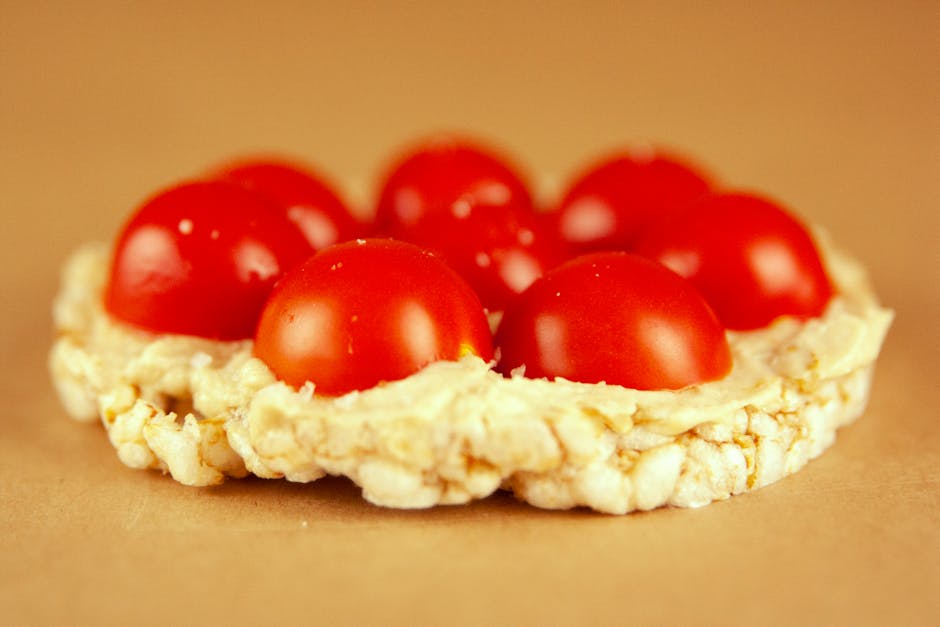
7. Rice Cakes with Avocado (2 plain rice cakes, 1/4 mashed avocado): This simple yet effective snack offers a satisfying blend of crunch and creaminess, providing sustained energy without excessive calories. Two plain rice cakes contribute approximately 70-80 calories, and a quarter of a medium avocado adds about 80-100 calories, bringing the total to around 150-180 calories. Rice cakes provide a light, airy base and a source of complex carbohydrates for immediate energy. However, their primary benefit in this combination lies in their ability to act as a vehicle for nutrient-dense toppings. Avocado is the star of this snack, renowned for its healthy monounsaturated fats. These fats are crucial for satiety, helping you feel fuller for longer and preventing the urge to overeat. They also contribute to sustained energy release by slowing down the absorption of carbohydrates. Avocado is also a good source of fiber, which further aids in digestion and promotes a feeling of fullness. Additionally, avocados are packed with vitamins and minerals, including potassium, folate, and vitamins K, C, E, and several B vitamins. These nutrients support various bodily functions, including heart health and cognitive function. The combination of the crunchy rice cake and the creamy avocado offers a pleasing textural contrast that can be very satisfying. To prepare this snack efficiently, you can mash the avocado in a small container and then spread it on the rice cakes when you’re ready to eat. Opt for plain, unsalted rice cakes to control sodium intake. This snack provides a good balance of carbohydrates for quick energy and healthy fats for sustained energy, making it an excellent choice for maintaining focus and avoiding the mid-afternoon slump. The slight saltiness of the avocado can also help to curb cravings for processed salty snacks.
8. Small Banana with a Sprinkle of Cinnamon: A small banana (about 6-7 inches long) is a naturally sweet and energy-boosting snack that, when paired with cinnamon, offers a delightful and low-calorie treat. A small banana typically contains around 90-105 calories, and a generous sprinkle of cinnamon adds negligible calories (less than 5). This keeps the total well under 150 calories. Bananas are an excellent source of easily digestible carbohydrates, providing a quick source of energy that is ideal for combating fatigue. They are also a good source of potassium, an essential electrolyte that plays a role in maintaining fluid balance, nerve function, and muscle contractions. Adequate potassium intake is important for preventing muscle cramps, which can be disruptive during a busy workday. Furthermore, bananas contain dietary fiber, which helps to regulate digestion and contributes to a sense of fullness, although their fiber content is lower than some other options. The addition of cinnamon elevates this simple snack. Cinnamon has been shown to have potential benefits for blood sugar regulation, which can contribute to more stable energy levels throughout the day. It also adds a warm, comforting flavor without adding any sugar or calories, making the banana more appealing and satisfying. The natural sweetness of the banana helps to curb sugar cravings, and the cinnamon provides a subtle depth of flavor. This snack requires no preparation other than peeling the banana and sprinkling it with cinnamon. It’s an ideal grab-and-go option for those on the move within the office. The portability and self-contained nature of a banana make it an effortless healthy choice. The combination of easily accessible carbohydrates for immediate energy and the potential blood sugar-balancing properties of cinnamon makes this a smart choice for sustained focus.
9. Trail Mix (Homemade, controlled portions): While commercially prepared trail mixes can be calorie-dense and loaded with unhealthy additions, a homemade trail mix offers a customizable and controlled approach to this popular snack. Aim for a portion size of approximately 1/4 cup, which will typically fall between 150-200 calories, depending on the ingredients. The key to a healthy homemade trail mix is the careful selection of ingredients. Start with a base of unsalted nuts (like almonds, walnuts, or cashews) for healthy fats and protein. Add some seeds (such as pumpkin seeds or sunflower seeds) for additional nutrients and crunch. For a touch of sweetness and fiber, include unsweetened dried fruit in moderation (e.g., raisins, cranberries, or chopped apricots), being mindful of portion sizes as dried fruit is concentrated in sugar. You can also add a small amount of dark chocolate chips (70% cacao or higher) for an antioxidant boost and a satisfying flavor. The protein and healthy fats from the nuts and seeds provide sustained energy, while the fiber from the dried fruit aids in satiety. The variety of textures and flavors in a trail mix can make it a very enjoyable and engaging snack, preventing boredom and keeping your palate stimulated. The advantage of making your own trail mix is the complete control over ingredients and portion sizes. You can avoid added sugars, excessive salt, and unhealthy fats commonly found in store-bought versions. Pre-portioning your homemade trail mix into small bags or containers at the beginning of the week ensures you stick to your calorie goals and have convenient, ready-to-eat snacks readily available. This prevents impulse snacking on less healthy options. The balanced combination of protein, fat, and complex carbohydrates in a well-constructed trail mix offers a robust and satisfying energy source.
10. Carrots and Hummus (1 cup baby carrots, 2 tablespoons hummus): This classic vegetable and dip combination offers a satisfying crunch and a dose of healthy nutrients, all while staying within our calorie goals. One cup of baby carrots provides approximately 50-60 calories, and two tablespoons of hummus add about 70-80 calories, bringing the total to a light and satisfying 120-140 calories. Carrots are an excellent source of beta-carotene, which the body converts into vitamin A, essential for vision, immune function, and skin health. They are also a good source of dietary fiber, which contributes to a feeling of fullness and aids in digestive health. The fiber helps to slow down the absorption of any sugars present, contributing to more stable blood sugar levels. Hummus, made primarily from chickpeas, tahini, lemon juice, and garlic, offers a good source of plant-based protein and fiber from the chickpeas. It also provides healthy fats from the tahini, which is made from sesame seeds. The combination of the crunchy carrots and the creamy, savory hummus provides a delightful textural and flavor contrast. This snack is both refreshing and filling. To maximize convenience, pre-portioned baby carrots are readily available, and small containers of hummus can be purchased or homemade and portioned in advance. Opting for plain hummus without added oils or excessive salt is recommended. This snack is a fantastic way to incorporate more vegetables into your diet while providing a satisfying protein and fiber boost. The high water content in carrots also contributes to hydration, which is crucial for cognitive function and energy levels. The protein and fiber in hummus provide a more sustained energy release compared to snacks relying solely on carbohydrates.
11. A Small Pear with a Small Handful of Walnuts (1 small pear, 1/4 ounce walnuts): This combination offers a delightful blend of sweet, nutty, and satisfying textures, providing sustained energy and essential nutrients. A small pear (about 5-6 ounces) contains approximately 80-100 calories, and a small handful of walnuts (about 1/4 ounce, or 7 halves) adds roughly 45-50 calories, bringing the total to around 125-150 calories. Pears are a good source of dietary fiber, which is crucial for digestive health and contributes to satiety. This fiber helps to slow down the digestion of natural sugars, leading to a more gradual and sustained release of energy, preventing energy crashes. Pears also contain various vitamins and minerals, including vitamin C and potassium. Walnuts, in particular, are a nutritional powerhouse. They are exceptionally rich in omega-3 fatty acids, which are known for their anti-inflammatory properties and benefits for brain health and cognitive function. These healthy fats also contribute significantly to satiety, helping you feel fuller for longer. Walnuts also provide a good source of protein and fiber, further enhancing the snack’s ability to keep hunger at bay. The combination of the juicy, slightly sweet pear with the crunchy, slightly bitter walnuts offers a pleasing sensory experience. The natural sugars in the pear provide quick energy, while the healthy fats and protein in the walnuts offer sustained energy release. This makes it an excellent choice for combating mid-afternoon fatigue and maintaining focus. To prepare this snack efficiently, simply pack a pear and a small baggie of pre-portioned walnuts. The portability and minimal preparation required make this an ideal desk snack for busy professionals. The balance of fiber from the pear and healthy fats/protein from the walnuts ensures a more stable energy curve compared to snacks composed primarily of simple carbohydrates.
