Strengthening Dental Infection Control Through Comprehensive Sterilization Monitoring and Spore Testing Protocols

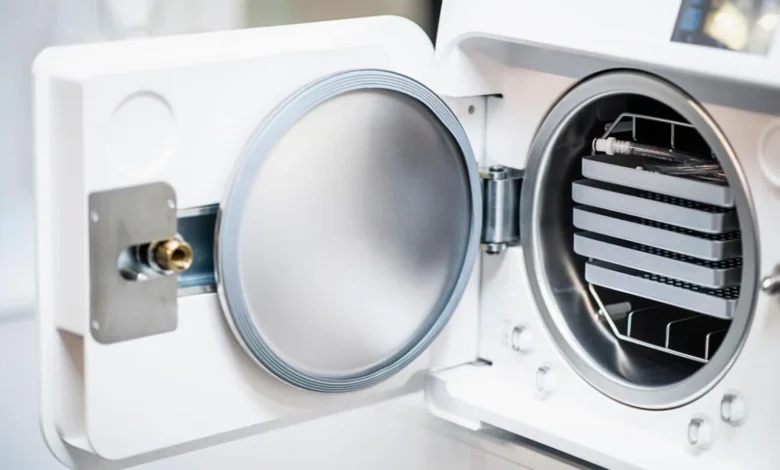
The integrity of dental practice hinges not only on clinical expertise but also on the rigorous application of infection control protocols that safeguard patient health and ensure regulatory compliance. At the center of these protocols is the verification of sterilization processes, a multi-tiered approach that relies heavily on biological monitoring, commonly referred to as spore testing. As dental practices navigate the complexities of modern healthcare, understanding the nuances of routine spore testing, proper sterilizer monitoring, and meticulous documentation has become essential for staying aligned with the standards set by the Centers for Disease Control and Prevention (CDC) and the Occupational Safety and Health Administration (OSHA). While mechanical and chemical indicators provide immediate feedback on machine performance, biological monitoring remains the definitive "gold standard" for confirming that the sterilization environment has successfully neutralized the most resistant forms of microbial life.
The fundamental objective of sterilization in a dental setting is the complete destruction of all forms of microbial life, including highly resilient bacterial spores. To achieve this, the CDC outlines a comprehensive monitoring program that utilizes three distinct methods: mechanical, chemical, and biological. Mechanical monitoring involves the physical observation of the sterilizer’s gauges, displays, or printouts to ensure that the correct temperature, pressure, and time were reached during a cycle. Chemical monitoring utilizes sensitive inks on strips or tape that change color when exposed to specific physical conditions. However, neither of these methods can prove that sterilization has actually occurred; they only indicate that the conditions necessary for sterilization were likely met. Biological monitoring, however, uses highly resistant spores, typically Geobacillus stearothermophilus, to directly test the sterilizer’s ability to kill microorganisms. If the spores are destroyed, it is logically inferred that all other less-resistant pathogens, such as Hepatitis B, HIV, and Mycobacterium tuberculosis, have also been eliminated.
According to established CDC guidelines, dental practices are required to perform biological monitoring at least weekly. This frequency serves as a baseline for ensuring that equipment is functioning correctly over time. Furthermore, spore testing is mandated whenever a new sterilizer is installed, after a sterilizer has been repaired, or if the unit has been relocated within the office. A critical but often overlooked recommendation involves the use of implantable devices; the CDC suggests that any load containing an implantable item should be monitored with a biological indicator, and the item should ideally be quarantined until the results of the spore test are known. This rigorous approach minimizes the risk of introducing pathogens into deep tissue sites where the body’s immune response may be compromised.
The evolution of sterilization monitoring reflects a broader trend toward rapid diagnostics and real-time data in healthcare. Traditionally, many dental practices relied on mail-in spore testing services. While effective, these services often involve a lag time of several days to a week before results are returned to the clinic. During this interval, the sterilizer in question may continue to be used, potentially processing hundreds of instruments that are then used on patients. If a "positive" result (indicating sterilization failure) eventually arrives, the practice faces a significant administrative and safety challenge: they must attempt to track down every patient treated with instruments from the failed cycles. In contrast, in-office spore testing systems have gained popularity for their ability to provide results in as little as 24 to 48 hours, with some advanced ultra-rapid systems delivering results in 20 to 60 minutes. This speed allows for immediate corrective action, preventing the use of improperly processed instruments and significantly reducing legal and clinical liability.
The chronology of sterilization standards in the United States shows a steady progression toward higher levels of accountability. In the mid-20th century, sterilization was often verified simply by the presence of steam or the attainment of a certain temperature. It was not until the 1970s and 1980s, spurred by the rise of bloodborne pathogen awareness, that more formalized monitoring systems began to take root. The landmark 2003 CDC "Guidelines for Infection Control in Dental Health-Care Settings" codified the weekly spore testing requirement, a standard that remains the bedrock of dental safety today. Subsequent updates, including the 2016 Summary of Infection Prevention Practices, have reinforced these requirements, emphasizing the need for a designated infection control coordinator in every dental office to oversee the documentation and execution of these tasks.
Supporting data from various dental board inspections highlights the necessity of these protocols. Studies on sterilization failure rates indicate that approximately 10% to 15% of dental sterilizers may fail a spore test at least once a year. The causes of these failures are rarely due to mechanical breakdown alone; more often, they are the result of human error, such as overloading the sterilizer chamber, improper packaging that prevents steam penetration, or selecting the wrong cycle for the load type. By performing weekly spore tests, practices can identify these human errors and provide necessary staff retraining before a minor mistake leads to a major cross-contamination event.
Official responses from organizations like the Organization for Safety, Asepsis and Prevention (OSAP) emphasize that documentation is as important as the testing itself. OSHA requires that dental offices maintain a sterilization log that records the date of each test, the results, and the person responsible for the monitoring. In the event of a state board audit or a malpractice claim, these logs serve as the primary evidence that the practice followed the standard of care. Failure to maintain accurate records can lead to heavy fines from OSHA or disciplinary action from state licensing boards, regardless of whether a patient was actually harmed.
The implications of a sterilization failure extend far beyond the walls of a single clinic. High-profile cases of infection control breaches, such as the 2013 investigation into a Tulsa, Oklahoma, oral surgery practice, have demonstrated the catastrophic consequences of neglecting sterilization protocols. In that instance, thousands of patients had to be screened for HIV and Hepatitis after it was discovered that the practice was not following proper cleaning and sterilization procedures. Such events undermine public trust in the dental profession and lead to increased regulatory scrutiny and higher insurance premiums for all practitioners.
To maintain a robust infection control program, dental professionals must also understand the protocol for responding to a failed spore test. If a biological indicator shows "growth" (a positive result), the sterilizer must be taken out of service immediately. The staff should review the sterilization logs to determine if the failure was an isolated incident or part of a trend. Common troubleshooting steps include checking the door seal, ensuring the water reservoir is clean, and verifying that the correct biological indicator was used for the specific type of sterilizer (e.g., steam vs. dry heat). Once the potential cause is addressed, the sterilizer must be re-tested. It is generally recommended to run three consecutive empty-chamber cycles with biological indicators; if all three come back negative (no growth), the sterilizer can be returned to service.
The broader impact of these practices is the creation of a "culture of safety" within the dental office. When staff members are educated on the science of spore testing and the importance of documentation, they become more vigilant in all aspects of patient care. This vigilance extends to hand hygiene, personal protective equipment (PPE) usage, and environmental surface disinfection. In an era where antibiotic-resistant "superbugs" are a growing concern in healthcare, the role of the dental office in preventing the spread of infection is more critical than ever.
In conclusion, while the daily operations of a dental practice are often focused on restorative and preventive clinical care, the invisible work of sterilization monitoring is what makes that care possible. Spore testing serves as the ultimate fail-safe, providing empirical proof that the instruments touching a patient’s tissue are free of viable pathogens. By adhering to the CDC’s weekly testing recommendations, utilizing the speed of in-office monitoring, and maintaining impeccable records, dental practices not only comply with the law but also honor their ethical commitment to patient safety. As technology continues to advance, the methods for biological monitoring will likely become even faster and more integrated into digital practice management systems, further solidifying the dental office as a bastion of modern infection control. Professionalism in dentistry is measured by many factors, but perhaps none is more vital than the rigorous, documented, and scientifically verified destruction of the microscopic threats that exist in the clinical environment.
Related posts: