Federal Initiative Encourages State Medicaid Programs to Phase Out Dental Amalgam in Shift Toward Mercury-Free Restorative Dentistry

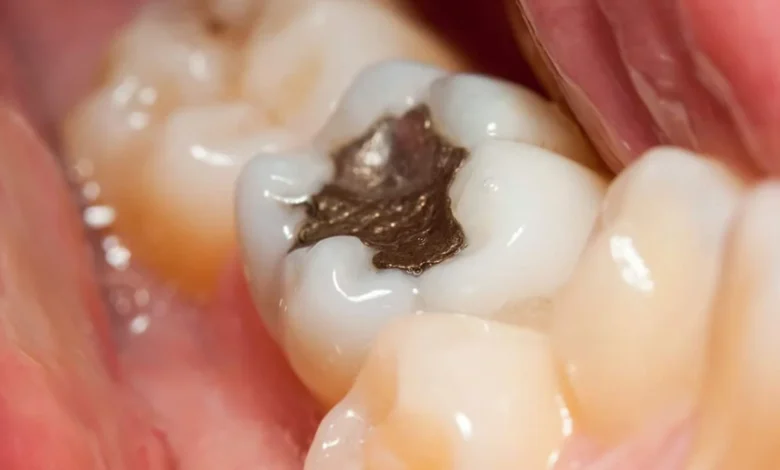
The Centers for Medicare & Medicaid Services (CMS) has issued a formal notification to state Medicaid directors across the country, urging a strategic transition away from the use of mercury-containing dental amalgam in restorative procedures. This federal initiative, spearheaded by the Trump administration, marks a significant turning point in public health policy and the delivery of dental services to the nation’s most vulnerable populations. By encouraging states to either restrict coverage for traditional silver fillings or provide financial incentives for the adoption of resin-based composite alternatives, the guidance signals an impending overhaul of Medicaid reimbursement structures and clinical standards for restorative care.
The directive focuses specifically on the phase-out of dental amalgam procedure codes D2140 through D2161. In its communication, CMS highlights the need for states to evaluate their current dental benefits and consider policies that prioritize mercury-free materials. This move aligns with broader federal efforts to modernize healthcare delivery while addressing long-standing environmental and physiological concerns regarding mercury exposure. While the guidance does not constitute an outright federal ban on amalgam, it creates a powerful policy framework that leverages the economic influence of Medicaid to drive industry-wide change.
A Targeted Approach to Public Health and Vulnerable Populations
The United States Department of Health and Human Services (HHS) has clarified that this policy shift is rooted in the latest clinical understanding of mercury’s impact on human health. While dental amalgam has been used for over 150 years due to its durability and cost-effectiveness, the elemental mercury used in these fillings can release low levels of vapor that are inhaled and absorbed by the body.
Federal health officials have identified specific "high-risk" groups for whom mercury exposure is a particular concern. These include pregnant women and their developing fetuses, women who are planning to become pregnant, nursing mothers, and children—particularly those under the age of six. Additionally, the guidance emphasizes protections for individuals with pre-existing neurological conditions, such as multiple sclerosis, Parkinson’s disease, or Alzheimer’s disease, as well as patients with impaired kidney function who may have a diminished capacity to clear heavy metals from their systems.
By targeting Medicaid beneficiaries, the administration is addressing a demographic that often faces higher burdens of oral disease and has historically had less access to the more expensive resin-based composite restorations. The initiative seeks to close this "restorative gap," ensuring that low-income patients receive the same mercury-free options typically available to those with private insurance.
The Global Context: The Minamata Convention and International Commitments
The domestic push to reduce dental amalgam is inextricably linked to the United States’ participation in the Minamata Convention on Mercury. Named after the Japanese city that suffered a devastating mercury poisoning disaster in the mid-20th century, the convention is a global treaty designed to protect human health and the environment from the adverse effects of mercury.
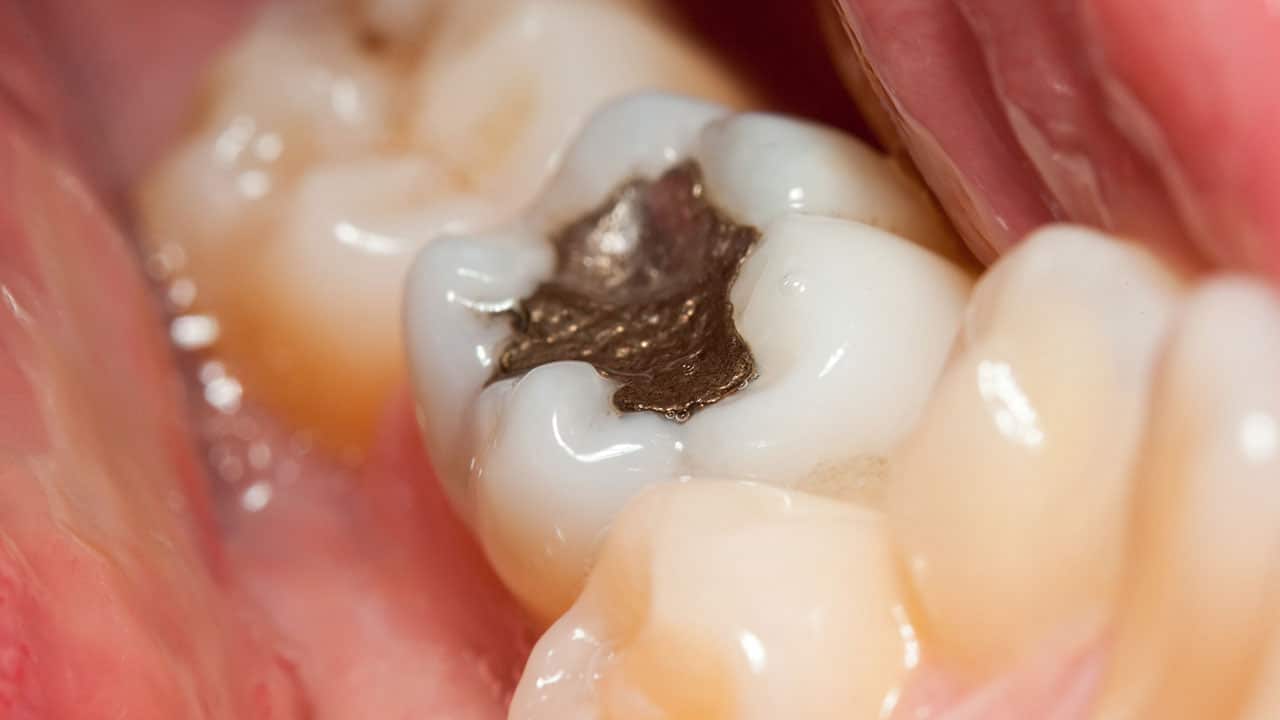
In late 2025, parties to the Minamata Convention reached a landmark agreement to officially phase out the use of dental amalgam by the year 2034. The United States, as a signatory, has committed to taking proactive measures to reduce the use of mercury in medical and dental applications. The new CMS guidance serves as a critical domestic implementation step toward meeting these international obligations.
By starting the transition within the Medicaid system and the Indian Health Service (IHS), the federal government is establishing a roadmap for the rest of the dental industry. The IHS has already announced an accelerated timeline, intending to eliminate the use of dental amalgam in its facilities by 2027. This move by the IHS, which provides healthcare to approximately 2.6 million American Indians and Alaska Natives, serves as a pilot for the logistical and clinical shifts required for a mercury-free future.
Chronology of the Transition to Mercury-Free Dentistry
The transition away from amalgam has been a gradual process involving regulatory updates, scientific reviews, and international diplomacy. Understanding the timeline of these events provides essential context for the current CMS directive:
- 2013: The Minamata Convention on Mercury is adopted, calling for a "phase-down" of dental amalgam use globally.
- 2020: The U.S. Food and Drug Administration (FDA) issues updated recommendations, suggesting that certain high-risk groups avoid getting dental amalgam fillings whenever possible.
- Late 2025: International delegates at the Minamata Convention update the treaty to include a definitive phase-out target of 2034 for most dental amalgam applications.
- 2026: The Trump administration, via CMS, issues formal guidance to state Medicaid directors to begin phasing out amalgam reimbursement codes and incentivizing composite resins.
- 2027: The Indian Health Service (IHS) target date for the complete elimination of dental amalgam use in its clinical operations.
- 2034: The global deadline for the phase-out of dental amalgam under the Minamata Convention.
Economic Implications for Medicaid and Private Practice
The transition from amalgam to resin-based composite restorations involves complex economic considerations. Historically, amalgam was favored in public health settings because the material is less expensive, the procedure is faster, and it is less "technique-sensitive" than composite bonding. Amalgam fillings can often be placed in moist environments where isolation is difficult—a common challenge when treating pediatric patients or individuals with special needs.
However, the CMS guidance suggests that the long-term benefits of mercury-free restorations outweigh the immediate cost differences. To facilitate this, states are being encouraged to adjust their reimbursement schedules. Currently, many Medicaid programs provide lower reimbursement for composite resins (D2330–D2394) compared to the actual cost of materials and chair time required. If states follow the federal recommendation, practitioners may see a significant increase in the reimbursement rates for composite fillings to match or exceed those previously offered for amalgam.
For dental practices, this shift necessitates a review of inventory management and clinical workflows. Practices that serve a high volume of Medicaid patients will need to phase out their stock of amalgam capsules and potentially invest in advanced curing lights, bonding agents, and moisture control systems (such as rubber dams or advanced isolation devices) to ensure the longevity of composite restorations.
Clinical Analysis: Composite Resin vs. Dental Amalgam
The move toward mercury-free dentistry is not merely a regulatory hurdle but also a clinical evolution. Dental professionals must weigh the characteristics of different restorative materials:
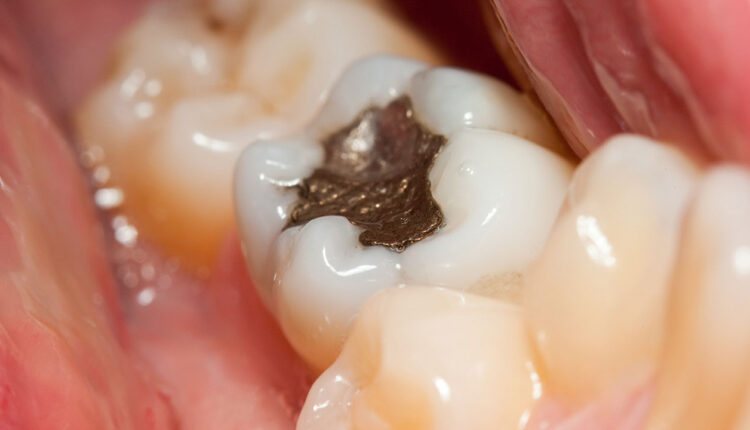
- Durability and Longevity: While amalgam has historically been praised for its 10-to-15-year lifespan, modern resin-based composites have seen significant technological advancements. Nano-filled and hybrid composites now offer wear resistance and strength comparable to metal, particularly in posterior (back) teeth.
- Conservation of Tooth Structure: Amalgam requires "mechanical retention," meaning a dentist often has to remove healthy tooth structure to create a shape that holds the silver filling in place. In contrast, composite resins use adhesive bonding, allowing for more conservative preparations that preserve more of the natural tooth.
- Aesthetics: Composite resins can be shade-matched to the patient’s natural teeth, providing a significant psychological and aesthetic benefit that amalgam cannot offer.
- Environmental Impact: Beyond the patient’s mouth, the disposal of amalgam scrap and the removal of old fillings contribute to mercury in wastewater. While the EPA’s "Amalgam Rule" requires the use of amalgam separators, a total phase-out of the material would eventually eliminate this source of environmental pollution entirely.
Reactions and Stakeholder Perspectives
The federal guidance has prompted a range of reactions from the dental and public health communities. Professional organizations, such as the American Dental Association (ADA), have historically maintained that dental amalgam is a safe and reliable restorative option. However, the ADA has also supported a "phase-down" approach that emphasizes research into alternative materials and environmental best practices.
Environmental advocacy groups have lauded the CMS notification as a long-overdue victory for ecological health. Groups such as the World Alliance for Mercury-Free Dentistry argue that the "hidden costs" of mercury—including environmental remediation and the health impacts of pollution—far exceed the price difference between amalgam and composite materials.
On the other hand, some public health dentists have expressed concern regarding the "access to care" implications. In remote or underfunded clinics where high-speed suction and complete moisture control are difficult to maintain, the loss of amalgam as a "forgiving" material could make it harder to treat certain patient populations effectively. These practitioners are calling for increased federal funding to upgrade clinic infrastructure alongside the policy changes.
Looking Ahead: The Future of Restorative Policy
As states begin to evaluate the CMS recommendations, the dental landscape will likely see a patchwork of implementation strategies. Some states may choose to immediately cease reimbursement for amalgam codes for children and pregnant women, while others may implement a gradual reduction in fees for amalgam alongside a corresponding increase for composites.
Furthermore, this federal initiative is expected to stimulate innovation in the dental materials market. As the demand for mercury-free alternatives grows, manufacturers are likely to accelerate the development of new bioactive materials, such as glass ionomers and "smart" composites that can release fluoride or help remineralize tooth structure.
The shift toward mercury-free dentistry represents more than a change in materials; it is a shift toward a more preventive and conservative model of oral healthcare. By aligning Medicaid policy with modern clinical evidence and international environmental standards, the federal government is setting the stage for a new era in restorative dentistry—one that prioritizes both the long-term systemic health of the patient and the protection of the global environment. As 2034 approaches, the legacy of the "silver filling" will likely fade, replaced by a standard of care that is aesthetic, adhesive, and entirely mercury-free.
Related posts: