
Roasted Veggies 3 Ways Recipe
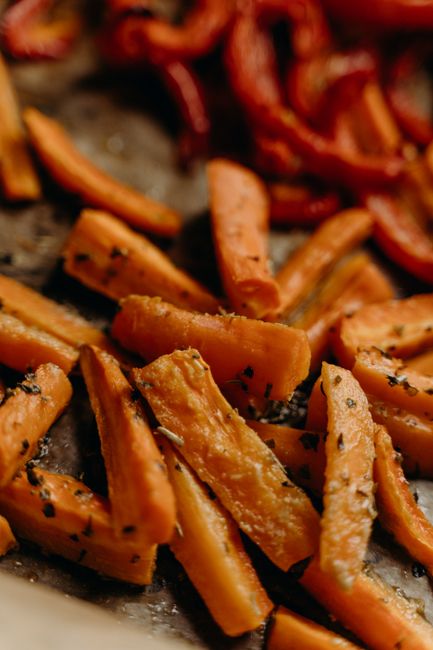
Roasted Veggies 3 Ways: A Comprehensive Culinary Guide for Optimal Flavor and Nutrition
This article delves into the art and science of roasting vegetables, offering three distinct yet universally appealing preparation methods. We will explore the foundational techniques, essential ingredients, and nuanced adjustments that transform humble produce into culinary masterpieces. The goal is to equip home cooks with the knowledge to consistently achieve perfectly roasted vegetables, maximizing their natural sweetness, developing complex caramelized flavors, and preserving their nutritional integrity. We will cover vegetable selection, oil choices, temperature considerations, and seasoning strategies for each of the three featured roasts: the Simple Weeknight Roast, the Herb-Infused Mediterranean Roast, and the Bold & Spicy Southwest Roast.
The Simple Weeknight Roast focuses on speed, ease, and showcasing the inherent goodness of seasonal vegetables. This method is ideal for busy evenings and requires minimal active preparation time. The cornerstone of this technique is selecting vegetables that cook relatively uniformly and are forgiving of slight variations in roasting time. Excellent candidates include broccoli florets, cauliflower florets, bell pepper chunks (various colors), red onion wedges, zucchini slices, and cherry tomatoes. For optimal results, cut vegetables into roughly uniform, bite-sized pieces. This ensures even cooking and prevents some pieces from becoming burnt while others remain underdone. The key to a successful simple roast lies in not overcrowding the baking sheet. Overcrowding leads to steaming rather than roasting, hindering the development of crispy edges and concentrated flavors. Aim for a single layer of vegetables, leaving a little space between each piece. The cooking fat of choice for this method is a neutral, high-smoke-point oil like canola oil, grapeseed oil, or avocado oil. A generous drizzle is crucial, as the oil facilitates browning and prevents sticking. Seasoning is deliberately kept basic to highlight the vegetables themselves: kosher salt and freshly ground black pepper are paramount. Preheating the oven to a high temperature, typically 400-425°F (200-220°C), is essential for achieving the desired caramelization. Roasting time will vary depending on the density of the vegetables, but generally falls within the 20-30 minute range. Midway through the roasting process, a gentle toss or flip of the vegetables ensures even browning. The visual cues for doneness are tender interiors with beautifully browned and slightly crispy edges.
The Herb-Infused Mediterranean Roast elevates the simple roast by incorporating aromatic herbs and classic Mediterranean flavor profiles. This method introduces a layer of sophistication and depth, transforming everyday vegetables into a vibrant side dish or a flavorful component of a larger meal. The vegetable selection expands to include heartier options that stand up well to longer roasting times and richer flavors. Think Brussels sprouts (halved or quartered), sweet potato cubes, butternut squash cubes, eggplant chunks, and whole cloves of garlic. While the principles of uniform cutting and avoiding overcrowding remain, the focus shifts to developing a more complex flavor profile through specific ingredients. The fat used here can be the same neutral oils as the simple roast, or for an even more authentic Mediterranean touch, extra virgin olive oil. However, be mindful of its lower smoke point; if using a higher oven temperature, a blend with a more neutral oil might be prudent. The seasoning is where this roast truly shines. Fresh herbs are fundamental: rosemary, thyme, oregano, and sage are excellent choices. Finely chop fresh herbs and toss them with the vegetables before roasting. Alternatively, whole sprigs of hardy herbs like rosemary and thyme can be added to the pan, infusing the vegetables with their essence as they roast. Dried herbs can be used as a more convenient option, but their flavor is more concentrated, so use them sparingly. Beyond herbs, consider adding aromatics like minced garlic or shallots. A squeeze of lemon juice, added towards the end of roasting or after removal from the oven, provides a bright, zesty counterpoint to the richness. Roasting temperatures remain high, around 400-425°F (200-220°C), but the cooking time may be extended to 30-45 minutes, depending on the vegetables. The goal is tender vegetables with deeply caramelized edges, infused with the fragrant notes of herbs and aromatics.
The Bold & Spicy Southwest Roast injects a fiery and zesty personality into roasted vegetables, drawing inspiration from the vibrant flavors of Southwestern cuisine. This method is perfect for those who enjoy a little heat and a complex interplay of savory, smoky, and spicy notes. The vegetable selection often includes corn (cut into rounds or kernels), black beans (rinsed and drained), jalapeño peppers (seeded and sliced, or left whole for less heat), poblano peppers (seeded and sliced), and red onion. While other vegetables like zucchini and bell peppers can certainly be incorporated, the core of this roast leans towards ingredients that complement the spicy and smoky flavor profile. Cutting vegetables into uniform pieces remains important for even cooking. For black beans, ensure they are well-drained and patted dry to prevent excess moisture from steaming the other ingredients. The choice of oil can be a neutral oil like avocado oil, which has a high smoke point and a subtle flavor that won’t overpower the spices. However, a drizzle of chili oil can also be incorporated for an extra layer of heat and flavor. The spice blend is the defining characteristic of this roast. Cumin, chili powder (ancho, chipotle, or a blend), smoked paprika, and a pinch of cayenne pepper are foundational. For a more authentic taste, consider adding dried oregano, garlic powder, and onion powder. Consider the heat level carefully when selecting chili powders and peppers. A touch of sweetness can be introduced with a sprinkle of brown sugar or a drizzle of maple syrup, which helps to balance the heat and enhance caramelization. Roasting temperatures are high, 400-425°F (200-220°C), and cooking times typically range from 25-35 minutes. Midway through, toss the vegetables to ensure even browning and spice distribution. Visual cues include tender vegetables with charred edges, a rich, smoky aroma, and a tantalizing hint of spice.
Beyond these three foundational roasts, several overarching principles and techniques contribute to consistently superior roasted vegetables. The choice of roasting pan matters. Heavy-duty aluminum or stainless steel baking sheets are preferable as they conduct heat evenly and prevent scorching. For particularly sticky vegetables or when aiming for maximum crispiness, lining the baking sheet with parchment paper or a silicone baking mat can be beneficial, though it may slightly inhibit direct contact and browning on the bottom. However, for optimal caramelization and flavor development, direct contact with the hot pan is often preferred. The temperature of the oven is critical. High heat (400-425°F or 200-220°C) is essential for achieving caramelization, which is the browning of sugars on the surface of the vegetables, leading to enhanced sweetness and complex flavors. Lower temperatures will result in steaming and a less desirable texture. When roasting, it is crucial to leave ample space between the vegetable pieces. This allows hot air to circulate freely, promoting browning and crisping rather than steaming. Overcrowding the pan is a common mistake that leads to soggy, unappealing vegetables. If you have a large quantity of vegetables, it is better to use two baking sheets than to overcrowd one. The oil used plays a vital role in heat transfer and browning. High smoke point oils are recommended for high-temperature roasting. Examples include avocado oil, grapeseed oil, canola oil, and refined olive oil. Extra virgin olive oil can be used, but be aware of its lower smoke point. The amount of oil should be sufficient to lightly coat all the vegetables, but not so much that they are swimming in it. Excess oil can lead to greasy vegetables. Seasoning is another crucial element. Salt, particularly kosher salt or sea salt, is essential for drawing out moisture and enhancing the natural flavors of the vegetables. Freshly ground black pepper adds a subtle pungency. Experiment with different seasonings to complement the specific flavor profiles you are aiming for. Dried herbs, spices, garlic powder, onion powder, and even a pinch of sugar can all contribute to the final taste. For an added layer of flavor and acidity, a squeeze of lemon juice or a splash of vinegar can be added towards the end of the cooking process or after the vegetables have been removed from the oven. This brightens the flavors and cuts through any richness. The cooking time will vary significantly depending on the type and density of the vegetables, as well as the size of the pieces. Heartier root vegetables like potatoes and sweet potatoes will require longer cooking times than softer vegetables like zucchini or bell peppers. It is essential to monitor the vegetables as they roast and adjust the cooking time accordingly. Visual cues are your best guide: tender interiors, browned edges, and a pleasant aroma. Don’t be afraid of a little charring; it indicates good caramelization and contributes to flavor.
Nutritional benefits are a significant advantage of roasting vegetables. Roasting, unlike boiling or steaming, is a dry-heat cooking method that helps to preserve many of the water-soluble vitamins and minerals that can be lost in other cooking processes. For example, Vitamin C and B vitamins are relatively heat-sensitive, but roasting at high temperatures for shorter durations can minimize their degradation compared to prolonged boiling. The Maillard reaction, responsible for the browning and caramelization, also creates new flavor compounds that can enhance the palatability of vegetables, encouraging greater consumption and thus increased intake of essential nutrients. Fiber content remains largely intact during roasting, contributing to digestive health and satiety. Antioxidants, such as carotenoids in orange and yellow vegetables and flavonoids in leafy greens, are often more bioavailable after roasting due to the breakdown of cell walls. The use of healthy oils in moderation contributes beneficial monounsaturated and polyunsaturated fats, which are important for overall health. By reducing the need for excessive added fats or sauces often associated with other cooking methods, roasting offers a healthier preparation option. The versatility of roasted vegetables means they can be incorporated into a multitude of meals, increasing overall vegetable intake and contributing to a balanced diet. From a simple side dish to a base for salads, a topping for pizzas, or a filling for wraps, roasted vegetables are a nutrient-dense and delicious addition to any culinary repertoire. Understanding the nuances of roasting, from vegetable selection and preparation to temperature and seasoning, empowers cooks to create dishes that are not only visually appealing and incredibly flavorful but also packed with the vitamins, minerals, and fiber essential for optimal health. The three presented methods—Simple Weeknight, Herb-Infused Mediterranean, and Bold & Spicy Southwest—offer a starting point for exploration, encouraging adaptation and personalization based on individual preferences and available ingredients. The core principles of high heat, adequate oil, and proper spacing remain constant, ensuring consistent, delicious results. Mastering these techniques unlocks a world of culinary possibilities, transforming ordinary vegetables into extraordinary components of a healthy and flavorful diet.
