
10 Healthier Drive Thru Meals
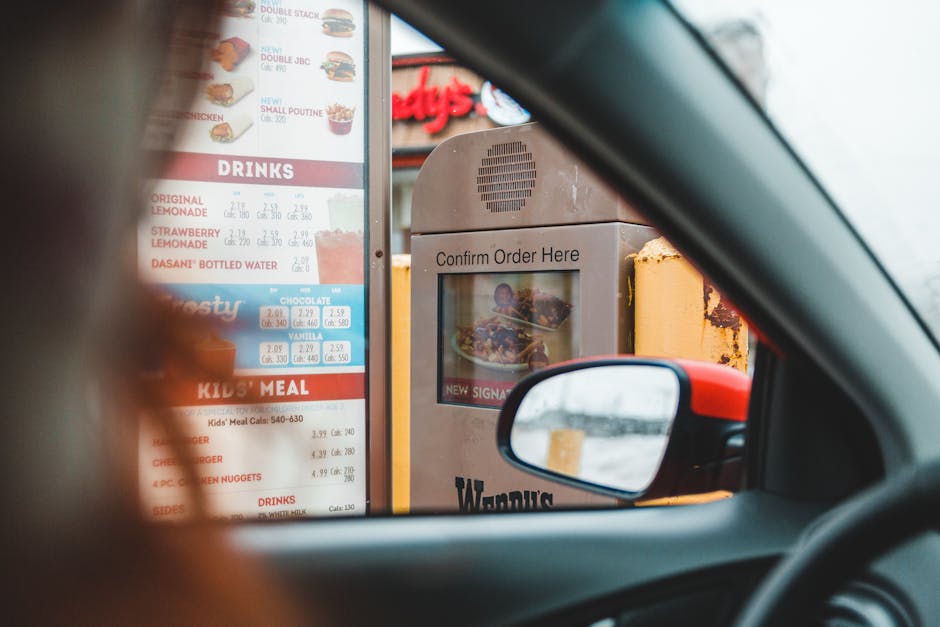
10 Healthier Drive-Thru Meals: Navigating Fast Food for Better Nutrition
The modern drive-thru offers unparalleled convenience, but the perceived unhealthiness of fast food often presents a dietary dilemma. Fortunately, with informed choices and a strategic approach, it’s possible to assemble surprisingly nutritious meals from popular drive-thru chains. This guide dissects ten healthier options, focusing on balanced macronutrients, reduced saturated fat and sodium, and increased fiber. We move beyond generic advice by offering specific menu item recommendations and highlighting customization strategies that empower consumers to make better decisions on the go. The key lies in understanding ingredient composition, portion control, and the power of smart substitutions. This article aims to equip readers with the knowledge to navigate the fast-food landscape without compromising their health goals, proving that convenience and well-being can coexist.
1. Grilled Chicken Salad with Vinaigrette (e.g., McDonald’s Premium Grilled Chicken Salad, Chick-fil-A Grilled Chicken Cool Wrap – deconstructed)
This option often stands out as a beacon of relative health in the fast-food realm. The foundation is lean protein, the grilled chicken breast, which is significantly lower in fat and calories than its fried counterpart. The inclusion of a generous portion of fresh vegetables – typically lettuce, tomatoes, cucumbers, and sometimes carrots or bell peppers – provides essential vitamins, minerals, and dietary fiber. Fiber is crucial for digestive health, promotes satiety, and can help regulate blood sugar levels.
The critical element here, however, is the dressing. Creamy, high-fat dressings like ranch or Caesar can easily transform a healthy salad into a calorie bomb, laden with saturated fat and sodium. Opting for a vinaigrette-based dressing is paramount. Simple oil and vinegar-based dressings, often containing olive oil and a vinegar like balsamic or red wine, offer a lighter profile with healthier monounsaturated fats. When ordering, explicitly request the vinaigrette on the side, allowing for controlled application. This prevents accidental over-dressing and ensures you’re using only what you need. Even better, consider bringing your own favorite healthy dressing from home if feasible.
When assembling this meal, remember to assess the toppings. Some salads come with croutons or crispy noodles, which add refined carbohydrates and unhealthy fats. Politely request these be omitted. Cheese can also contribute significant saturated fat and sodium; if it’s an optional add-on, consider skipping it or asking for a smaller portion. The goal is to maximize the nutrient density of the greens and lean protein while minimizing calorie-dense, less nutritious additions. Comparing similar offerings across chains, the core principle remains: grilled chicken, abundant vegetables, and a light, non-creamy dressing. At Chick-fil-A, for instance, the Grilled Chicken Cool Wrap, while containing other ingredients, can be “deconstructed” by removing the tortilla and focusing on the grilled chicken and greens within, then pairing with a vinaigrette. This requires a little extra effort but can yield a similar healthy outcome.
2. Baked Potato with Lean Protein and Vegetables (e.g., Wendy’s Baked Potato with Chili – light on the cheese/sour cream, Subway Baked Potato)
The humble baked potato is an often-overlooked nutritional powerhouse available at select fast-food establishments. A medium baked potato, with its skin, is an excellent source of complex carbohydrates, providing sustained energy, and a good dose of potassium, which plays a role in blood pressure regulation. The skin is particularly rich in fiber, contributing to digestive health and satiety.
The key to making this a healthy meal lies in the toppings. A traditional loaded baked potato can be incredibly high in calories, fat, and sodium due to copious amounts of cheese, sour cream, butter, and bacon bits. Instead, focus on lean protein and vegetable-based toppings. For example, Wendy’s chili, when ordered without excessive cheese or sour cream, can provide a protein boost and added fiber from beans. It’s important to be mindful of the sodium content in chili, but in moderation and as part of a balanced meal, it’s a viable option. Some Subway locations offer baked potatoes, allowing for customization with lean meats like turkey or chicken breast, and a plethora of vegetable toppings, similar to building a sandwich.
When ordering, be very specific about the accompaniments. Request minimal or no cheese and sour cream. Instead, pile on the free vegetable toppings: onions, bell peppers, salsa, or even extra lettuce. If available, a small dollop of plain Greek yogurt (if offered as an alternative to sour cream) can add protein and probiotics with fewer calories and fat. Avoid processed meat toppings like bacon bits, as they are often high in sodium and saturated fat. The beauty of a baked potato is its versatility and the ability to load it up with nutrient-dense, lower-calorie additions, transforming it from a simple side dish into a satisfying main course.
3. Black Bean Burger on a Whole Wheat Bun (e.g., Burger King’s Impossible Whopper – with modifications, customization at chains offering veggie burgers)
The rise of plant-based options has significantly expanded healthier drive-thru possibilities. A black bean burger, when prepared and served thoughtfully, can be a nutritious choice. Black beans themselves are rich in protein, fiber, and various micronutrients like iron and magnesium. When used as the base for a burger patty, they offer a lower saturated fat and cholesterol alternative to traditional beef.
The critical factors for health in this scenario are the bun and the toppings. Opting for a whole wheat bun, if available, provides more fiber and a lower glycemic index than a standard white flour bun. This contributes to better blood sugar management and increased satiety. Again, dressing and condiments are crucial. Steer clear of mayonnaise-based sauces and opt for mustard, ketchup (in moderation due to sugar content), or a lighter salsa.
When ordering, inquire about the ingredients of the black bean patty itself. Some pre-made patties can contain significant amounts of sodium or other additives. If the chain offers a plant-based patty like Impossible or Beyond Meat, these are often engineered to mimic the taste and texture of beef but can still be high in saturated fat (albeit plant-derived) and sodium. Therefore, customization is key. Load up on fresh vegetable toppings: lettuce, tomato, onion, pickles, and even avocado if available (in moderation due to its calorie density). Requesting no cheese or a reduced portion of a lower-fat cheese is also a wise strategy. While Burger King’s Impossible Whopper is a popular plant-based option, it’s essential to order it “light on the mayo” and consider removing cheese to mitigate its fat and sodium content. The core principle is to leverage the plant-based patty and then build a nutrient-rich burger with whole grains and fresh vegetables.
4. Salmon or Tuna Sandwich on Whole Wheat (e.g., Subway Tuna Salad – light on mayo, with whole wheat bread and plenty of veggies, or other chains offering grilled fish)
Fish, particularly fatty fish like salmon, is a nutritional powerhouse, rich in omega-3 fatty acids, which are beneficial for heart and brain health. Tuna, while leaner, is also a good source of protein. The challenge at drive-thrus often lies in preparation and accompaniments.
When it comes to tuna sandwiches, the typical preparation involves mayonnaise, which can significantly increase the fat and calorie content. At a place like Subway, you can explicitly request your tuna salad be made with less mayonnaise, or even a mix of mayonnaise and a lighter alternative like mustard or a touch of Greek yogurt if available. Choosing whole wheat bread is vital for added fiber. Then, similar to other sandwich options, load up on fresh vegetable toppings like lettuce, tomato, onions, and pickles. Avoid the addition of cheese, which can increase saturated fat.
Salmon is less commonly found as a standard drive-thru sandwich. However, some establishments might offer grilled salmon as part of a larger meal. If a grilled salmon fillet is available, it represents an excellent lean protein and omega-3 source. It’s best to pair this with a side salad featuring a light vinaigrette or steamed vegetables, rather than fried sides. The key is to prioritize grilled or baked preparations of fish and be very mindful of how it’s seasoned and sauced. Excessive salt or high-fat sauces can negate the health benefits.
5. Chicken and Vegetable Skewers (e.g., Chains offering kebabs with grilled vegetables)
This is a less common but increasingly available healthy drive-thru option. Chicken and vegetable skewers, or kebabs, offer a balanced meal by combining lean protein with a variety of colorful vegetables. The grilling method of preparation is generally healthier than frying, as it allows fat to drip away and avoids the addition of oils during cooking.
The lean protein comes from the marinated chicken breast pieces, which are typically a good source of B vitamins and selenium. The vegetables on the skewers can vary but often include bell peppers, onions, zucchini, and cherry tomatoes. These provide a spectrum of vitamins, minerals, and antioxidants. The fiber content from the vegetables contributes to satiety and digestive health.
When ordering, inquire about the marinade. Some marinades can be high in sodium and sugar. Opt for simpler marinades based on herbs, spices, lemon juice, or olive oil. Requesting a side of plain rice or a small portion of whole grains instead of french fries is also advisable for a more complete and balanced meal. If dipping sauces are offered, choose wisely. A yogurt-based sauce or a light salsa is preferable to creamy, mayonnaise-based dips. The appeal of skewers lies in their inherent balance and the opportunity to consume a variety of nutrients in a single, convenient format.
6. Turkey or Lean Roast Beef Wrap with Hummus and Vegetables (e.g., Subway Turkey Breast on Whole Wheat Wrap with Hummus and Veggies)
Wraps can be a healthier alternative to bulky sandwiches, especially when made with whole wheat tortillas and packed with nutrient-dense fillings. A turkey breast or lean roast beef wrap offers lean protein that is lower in saturated fat than many other deli meats.
The crucial elements for a healthier wrap are the spread and the abundance of vegetables. Instead of mayonnaise or creamy dressings, opt for hummus. Hummus, made from chickpeas, provides plant-based protein, fiber, and healthy fats. It’s a far more nutritious spread than most alternatives. Then, pile on the fresh vegetables: lettuce, spinach, tomatoes, cucumbers, bell peppers, onions, and jalapeños for a bit of spice. The more vegetables you include, the higher the fiber and micronutrient content of your wrap.
Choosing a whole wheat wrap is essential for increased fiber content compared to a white flour tortilla. Be mindful of the size of the wrap; larger wraps can contribute a significant number of calories. If your chosen establishment offers smaller wrap options, that would be preferable. When ordering, specifically request hummus and a generous portion of all available fresh vegetables. Avoid processed cheeses or fatty meat additions like bacon. This customizable option allows for a satisfying and relatively low-calorie meal that is rich in protein and fiber.
7. "Build Your Own" Burrito Bowl (e.g., Chipotle or Qdoba – with strategic choices)
The "build your own" model offered by establishments like Chipotle and Qdoba is perhaps the most powerful tool for crafting a healthy drive-thru meal. These formats allow for complete control over ingredients, portion sizes, and preparation methods.
The base of a healthy burrito bowl should be brown rice, which is a whole grain providing complex carbohydrates and fiber. Alternatively, opting for a base of mixed greens or salad is even lower in calories and higher in volume. For protein, choose lean options like grilled chicken or steak. While steak can be higher in fat than chicken, moderation is key. Black beans or pinto beans are excellent additions, providing plant-based protein and significant fiber.
The critical part of customizing a healthy burrito bowl lies in the toppings. Load up on fresh salsa (pico de gallo, corn salsa), fajita vegetables (sautéed peppers and onions), lettuce, and guacamole. While guacamole is calorie-dense due to its healthy fat content from avocados, it is a far superior choice to sour cream or cheese. Be mindful of the portion size of guacamole. Avoid cheese, sour cream, and creamy dressings. Opt for a squeeze of lime juice or a bit of hot sauce for flavor instead. By carefully selecting each component, you can create a nutrient-dense, high-fiber, and protein-rich meal that is both filling and satisfying.
8. Plain Oatmeal with Fruit and Nuts (e.g., McDonald’s Premium Hot Apple Cinnamon Oatmeal – with modifications, Starbucks Oatmeal)
For breakfast or a lighter meal, plain oatmeal is a fantastic drive-thru option, especially when customized for optimal health. Oatmeal, made from whole oats, is a superb source of soluble fiber, particularly beta-glucan, which has been shown to help lower cholesterol levels and regulate blood sugar.
The challenge with pre-made oatmeal at fast-food establishments is the added sugars and unhealthy fats in some preparations. For example, McDonald’s Premium Hot Apple Cinnamon Oatmeal, while containing fruit, also comes with a brown sugar crumble and is sweetened. To make this healthier, request the oatmeal plain and then add your own healthy toppings.
If fruit is an option, choose fresh berries, sliced apples, or bananas for natural sweetness, vitamins, and additional fiber. A sprinkle of unsalted nuts or seeds (like almonds, walnuts, or chia seeds) can add healthy fats, protein, and crunch, further enhancing satiety. Avoid the pre-packaged sugary syrups, candied nuts, or excessive amounts of butter. The goal is to harness the inherent nutritional benefits of whole oats and complement them with natural, unprocessed additions. Similarly, at Starbucks, their oatmeal can be ordered with minimal toppings and then customized with fresh fruit and nuts if available.
9. Chicken Noodle Soup with a Side Salad (e.g., Panera Bread Chicken Noodle Soup – with light dressing on salad, or similar offerings at other chains)
Soup can be a surprisingly healthy and filling drive-thru option, particularly when it’s broth-based and packed with vegetables and lean protein. Chicken noodle soup, when prepared with a clear broth and a good amount of chicken and vegetables, provides hydration, protein, and essential nutrients.
The broth base is generally low in calories and fat. The chicken offers lean protein, and the vegetables (like carrots, celery, and onions) contribute vitamins, minerals, and fiber. The noodles, while refined carbohydrates, are present in moderation in a well-portioned soup.
The key to making this a complete healthy meal is the accompaniment. Pairing chicken noodle soup with a side salad is an excellent strategy. Again, the salad dressing is paramount. Opt for a light vinaigrette or ask for it on the side to control the amount used. Avoid creamy dressings, croutons, and excessive cheese. If the soup itself contains a lot of sodium (which is common in many pre-made soups), balancing it with a fresh, vegetable-rich salad can help mitigate the overall impact. Some chains, like Panera Bread, offer healthier soup and salad combinations that can be strategically chosen.
10. Breakfast Burrito/Scramble with Egg Whites and Vegetables (e.g., Starbucks Spinach, Feta & Egg White Wrap, or custom orders at breakfast-focused drive-thrus)
Breakfast is often the most challenging meal to find healthy options for at a drive-thru, but with strategic choices, it’s achievable. A breakfast burrito or scramble, when focused on egg whites and packed with vegetables, can be a protein-rich and nutrient-dense start to the day.
Egg whites are virtually fat-free and provide high-quality protein, which is essential for satiety and muscle maintenance. Filling the burrito or scramble with a variety of vegetables like spinach, mushrooms, onions, bell peppers, and tomatoes significantly boosts the fiber, vitamin, and mineral content.
If ordering a burrito, opt for a whole wheat tortilla. When possible, request egg whites instead of whole eggs to reduce fat and cholesterol intake. Avoid cheese and processed meats like bacon or sausage, which are high in saturated fat and sodium. Instead, add a dollop of salsa for flavor and a bit of spice. Some chains, like Starbucks, offer options like their Spinach, Feta & Egg White Wrap, which is a good example of a relatively healthy breakfast choice with lean protein and vegetables, though feta cheese should be consumed in moderation due to its sodium and fat content. The core principle for a healthier breakfast burrito or scramble is to prioritize lean protein from egg whites and load up on nutrient-rich vegetables, while minimizing high-fat additions.
