
Day To Night Ingredient Eggs
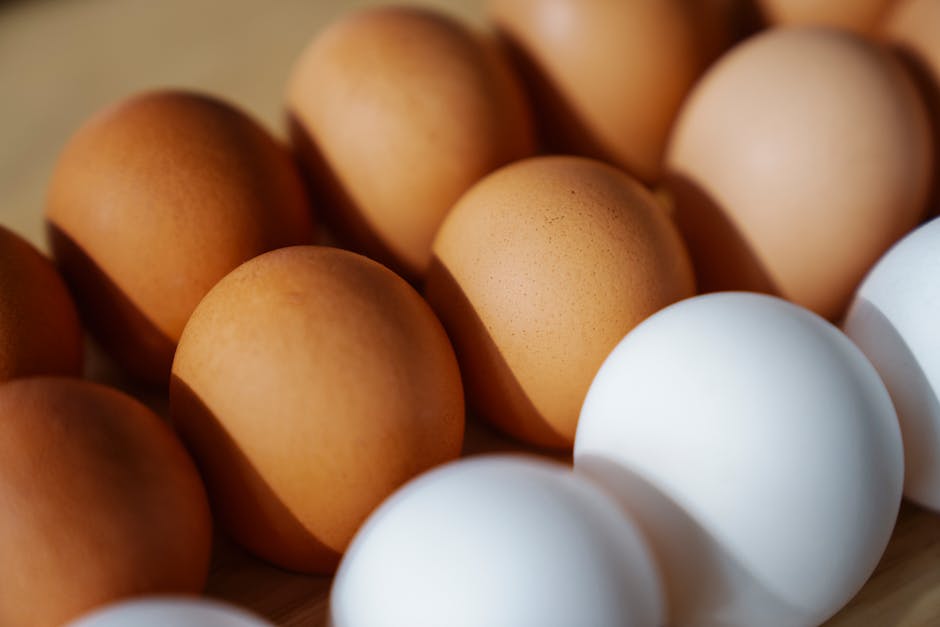
The Ubiquitous Egg: A Culinary Chameleon from Dawn to Dusk
The egg, a humble yet remarkably versatile ingredient, transcends the boundaries of mealtime, offering a spectrum of culinary possibilities from the earliest morning light to the deepest evening hours. Its protein-rich composition and adaptable nature make it a staple in kitchens worldwide, capable of transforming from a simple breakfast staple to an elegant dinner component or a sophisticated dessert element. This article explores the multifaceted role of the egg throughout the day, delving into its nutritional benefits, diverse cooking methods, and the myriad ways it enhances flavor and texture in dishes across the culinary spectrum. Understanding the egg’s capabilities unlocks a universe of accessible and delicious meal solutions, making it an indispensable pantry item for any home cook.
The nutritional profile of the egg is a significant factor contributing to its universal appeal and suitability for any time of day. A single large egg, weighing approximately 50 grams, is a powerhouse of nutrients. It contains roughly 6 grams of high-quality protein, essential for muscle repair and growth, satiety, and various bodily functions. This complete protein source provides all nine essential amino acids that the human body cannot produce on its own. Beyond protein, eggs are an excellent source of vitamins, including Vitamin D, vital for bone health and immune function, and Vitamin B12, crucial for nerve function and red blood cell formation. They also contain choline, a nutrient important for brain health and development, and selenium, an antioxidant that protects cells from damage. While often associated with cholesterol, dietary cholesterol has a less significant impact on blood cholesterol levels than previously believed for most individuals, and the beneficial nutrients within eggs largely outweigh this concern. The yolk, in particular, is a concentrated source of vitamins, minerals, and healthy fats, while the egg white is almost pure protein, offering a lean and filling option. This comprehensive nutrient package makes eggs an ideal food for sustained energy and well-being at any hour.
The culinary versatility of the egg is arguably its most defining characteristic. Its ability to cook through a range of temperatures and textures allows it to adapt to virtually any culinary application. From delicate custards and airy meringues to robust omelets and hearty frittatas, the egg’s potential is limited only by imagination. The proteins in the egg white coagulate when heated, providing structure and binding capabilities, while the yolk’s fats contribute richness, emulsification, and a creamy texture. This duality makes eggs indispensable in baking, acting as leavening agents, binders, and emulsifiers. In savory cooking, they can be the star of the dish or a crucial supporting player, adding depth and complexity.
The breakfast hour is where the egg truly shines in its most recognizable roles. A perfectly poached egg, its yolk a molten cascade of richness, atop avocado toast or a bed of wilted spinach, is a quintessential brunch or breakfast item. Scrambled eggs, whether fluffy and delicate or firm and hearty, offer a quick and satisfying start to the day, easily customizable with cheese, vegetables, or herbs. Fried eggs, with their crispy edges and runny or firm yolks, are a classic accompaniment to bacon, sausage, or hash browns, providing a savory and comforting breakfast experience. Omelets, a canvas for a variety of fillings, offer endless possibilities for a personalized breakfast, from simple cheese and mushroom to more elaborate combinations of vegetables, meats, and spices. The inherent speed of preparation for most egg-based breakfast dishes makes them ideal for busy mornings, offering a nutrient-dense and delicious option without requiring extensive time investment. The simple act of cracking an egg into a hot pan is often the first culinary step many individuals learn, underscoring its accessibility and fundamental role in morning meals. The comforting familiarity of a breakfast egg dish can set a positive tone for the entire day, providing a sense of groundedness and satisfaction.
As the day progresses into lunch, the egg continues its culinary reign, often taking on a more integrated role within larger dishes. A classic egg salad sandwich, with its creamy, savory filling, is a lunchbox staple and a reliable option for a quick and satisfying meal. Deviled eggs, a popular appetizer or light lunch, offer a flavorful and protein-packed bite. Hard-boiled eggs, readily available in lunch bags and salads, provide a convenient and portable source of protein and nutrients. Egg drop soup, a light yet flavorful broth-based soup, is a comforting and easily digestible option, particularly popular in Asian cuisines, where the delicate strands of cooked egg add texture and visual appeal. Adding a fried or poached egg to a salad, a bowl of rice, or even a gourmet burger can elevate a simple lunch into a more substantial and satisfying meal, introducing a burst of richness and protein. The ability of the egg to be prepared in advance and consumed cold or reheated makes it an exceptionally practical ingredient for midday meals. The versatility extends to vegetarian and vegan adaptations, with ingredients like silken tofu or chickpea flour mimicking egg’s binding and textural qualities in some applications, though the true egg remains unparalleled for its unique properties.
The transition to dinner sees the egg embrace a more sophisticated and sometimes surprising presence. Frittatas and quiches, elegant baked egg dishes, offer a substantial and flavorful centerpiece for a weeknight dinner or a more formal gathering. These dishes allow for a wide array of vegetable, cheese, and meat combinations, making them adaptable to seasonal ingredients and personal preferences. Shakshuka, a flavorful Middle Eastern and North African dish, features eggs poached in a rich tomato and pepper sauce, offering a vibrant and aromatic dinner option. Carbonara, a classic Italian pasta dish, relies on the emulsifying power of egg yolks to create a creamy and decadent sauce that coats pasta perfectly. Even simple dishes can be transformed by the addition of an egg; topping a pan-seared steak with a fried egg creates a dish known as steak and eggs, a hearty and satisfying evening meal. In many culinary traditions, eggs serve as a binding agent for meatballs and meatloaf, ensuring a cohesive and tender texture. The yolk’s richness can also be leveraged to create luxurious sauces, like hollandaise, which accompanies dishes like asparagus or salmon. The egg’s ability to absorb and meld with other flavors, while also contributing its own unique essence, makes it a valuable asset in dinner preparations.
Beyond its primary mealtime roles, the egg is a fundamental component in the world of desserts and baked goods, a testament to its profound versatility. The structural properties of egg whites are crucial for creating light and airy meringues, airy sponges, and delicate cakes. Their ability to trap air when whipped makes them essential for leavening and achieving desired textures. Egg yolks, with their fat and lecithin content, contribute richness, moisture, and emulsification to batters and custards, preventing separation and ensuring a smooth, creamy finish in items like crème brûlée, pastry creams, and ice cream bases. The Maillard reaction, which occurs when egg proteins brown, adds desirable color and flavor to baked goods. From the simplest cookie to the most elaborate layered cake, the egg is an integral ingredient, influencing texture, binding, and overall appeal. The subtle eggy flavor, when balanced with other ingredients, can add depth to sweet preparations without being overpowering. Understanding the role of each part of the egg – the white for aeration and structure, the yolk for richness and emulsification – is key to successful dessert creation.
The global reach of the egg is evident in the diverse culinary applications found across different cultures. In Japan, tamagoyaki, a rolled omelet with a slightly sweet flavor, is a breakfast and bento box staple. In Spain, tortilla española, a thick omelet incorporating potatoes and onions, is a beloved and filling dish. French cuisine boasts countless egg-based classics, from the delicate crème caramel to the robust quiche Lorraine. South American cuisines often feature eggs in hearty stews and as a topping for various rice and bean dishes. This widespread adoption highlights the egg’s fundamental appeal and its adaptability to a vast array of flavor profiles and cooking techniques. The universal nature of the egg as a food source underscores its importance in global food security and dietary staples.
From a practical and economic standpoint, the egg remains one of the most affordable and accessible sources of high-quality protein. This makes it a crucial ingredient for individuals and families on a budget, providing essential nutrition without a significant financial outlay. The ease of storage, typically in a refrigerator, further enhances its practicality. The minimal preparation required for many egg dishes also contributes to its appeal, especially in time-constrained situations. The humble egg, therefore, is not only a culinary marvel but also a foodstuff that promotes accessibility and nutritional well-being across socioeconomic strata.
In conclusion, the egg’s journey from dawn to dusk is a remarkable demonstration of its culinary prowess. Its impressive nutritional density, coupled with an unparalleled versatility in cooking methods and applications, solidifies its status as an indispensable ingredient. Whether gracing the breakfast table as a fluffy scramble, elevating a lunchtime salad with a hard-boiled core, providing a rich foundation for a dinner entrée, or contributing to the delicate sweetness of a dessert, the egg consistently delivers. Its global presence and economic accessibility further underscore its significance in kitchens worldwide, making it a true culinary chameleon that nourishes and delights at every hour. The ongoing exploration of egg-centric recipes and techniques ensures that this remarkable ingredient will continue to play a vital role in culinary innovation for generations to come.
