
Watermelon Salad With Feta And Mint
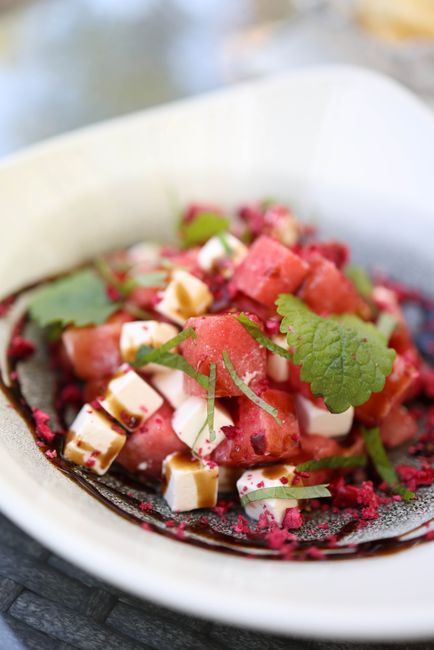
Watermelon Feta Mint Salad: A Refreshing Culinary Classic for Summer and Beyond
This watermelon feta mint salad transcends seasons, offering a vibrant explosion of sweet, salty, and herbaceous flavors. Its simplicity belies a sophisticated palate, making it a perennial favorite for picnics, barbecues, light lunches, or an elegant appetizer. The inherent coolness of watermelon combined with the briny tang of feta cheese and the bright, aromatic punch of fresh mint creates a harmonious and deeply satisfying gastronomic experience. This article will delve into the art of crafting the perfect watermelon feta mint salad, exploring ingredient selection, preparation techniques, recipe variations, and the nutritional benefits that make it a healthy and delicious choice. Understanding the nuances of each component is key to unlocking the salad’s full potential, transforming a simple assembly of ingredients into a culinary masterpiece.
The foundational element of this salad, watermelon, is crucial for both its flavor profile and refreshing texture. Selecting a ripe and sweet watermelon is paramount. Look for a uniformly shaped fruit with a creamy yellow spot on the underside, indicating where it rested on the ground and ripened. A dull rind, rather than a shiny one, often signifies peak ripeness. The weight of the watermelon should feel heavy for its size, suggesting a good water content. When tapped, a ripe watermelon will produce a deep, hollow sound. The flesh should be a vibrant, consistent red, free from any white or yellowish streaks, which can indicate immaturity. For this salad, seedless varieties are generally preferred for ease of preparation and consumption, though traditional seeded watermelons, with their intensely sweet flesh, can also be used if seeds are meticulously removed. The type of watermelon can also influence the final taste; some varieties are naturally sweeter than others, allowing for adjustments in added sweetness if desired. Pre-cut watermelon, while convenient, often lacks the vibrant flavor and crisp texture of a freshly cut fruit. Therefore, investing time in selecting and preparing the watermelon yourself will significantly elevate the quality of the finished salad. The size of the watermelon cubes can also be adjusted to personal preference; smaller, bite-sized pieces are ideal for a lighter salad, while larger chunks offer a more substantial texture.
Feta cheese is the salty counterpoint that elevates the sweetness of the watermelon to new heights. Authentic Greek feta, made from sheep’s milk or a blend of sheep’s and goat’s milk, offers a superior creamy texture and a more complex, tangy flavor than cow’s milk feta. Look for feta sold in brine, as this preserves its moisture and intensifies its flavor. When crumbled, good quality feta will maintain some structural integrity, rather than turning into a powdery paste. Avoid pre-crumbled feta, which often contains anti-caking agents that can detract from its texture and taste. The salinity of the feta is a critical factor; if using a particularly salty feta, you may want to rinse it briefly under cold water before crumbling to temper its intensity. Conversely, a milder feta can be used for those who prefer a less pronounced salty element. The cheese should be crumbled into irregular pieces, allowing for pockets of concentrated salty flavor throughout the salad. The texture of the feta should be crumbly yet moist, providing a pleasing contrast to the crisp watermelon. Experimenting with different types of feta, such as barrel-aged feta or those infused with herbs, can introduce subtle variations to the salad’s flavor profile.
Fresh mint is the aromatic powerhouse that binds the sweet and salty elements together, providing a cooling and invigorating finish. Spearmint is the most common variety used in this salad, offering a classic, refreshing flavor. Peppermint, with its more intense menthol notes, can also be used sparingly for a bolder kick. The key to vibrant mint flavor lies in using fresh, young leaves. Avoid wilted or bruised leaves, which can impart a bitter taste. Gently rinse the mint leaves under cold water and pat them dry thoroughly to prevent bruising. The leaves can be finely chopped, chiffonaded (thinly sliced ribbons), or roughly torn, depending on your desired aesthetic and the intensity of mint flavor you wish to achieve. A good rule of thumb is to start with a moderate amount of mint and add more to taste. The aroma of fresh mint is a significant component of its appeal, so ensuring the leaves are handled with care to preserve their essential oils is important. Experimenting with other fresh herbs, such as basil or cilantro, can also yield interesting flavor combinations, but mint remains the quintessential choice for this particular salad.
Beyond the core trio, a few optional additions can further enhance the complexity and visual appeal of the watermelon feta mint salad. A drizzle of good quality extra virgin olive oil is often a welcome addition, adding a subtle fruitiness and richness that complements the other ingredients. The olive oil should have a robust flavor, not overly peppery, to avoid overpowering the delicate watermelon. Balsamic glaze, a thick, syrupy reduction of balsamic vinegar, offers a sweet and tangy contrast, creating beautiful visual streaks across the salad. Use it sparingly, as its intensity can quickly dominate the other flavors. Red onion, thinly sliced or finely minced, can introduce a pungent sharpness that cuts through the sweetness. Soaking the red onion in cold water for about 10 minutes before adding it to the salad can mellow its harshness. A sprinkle of black pepper, freshly ground, adds a touch of warmth and subtle spice. For a bit of crunch, toasted pine nuts or slivered almonds can be incorporated. A squeeze of fresh lime or lemon juice can brighten the overall flavor profile and add a zesty tang, especially if the watermelon isn’t as sweet as anticipated or if you desire a more acidic balance. These additions, while not strictly necessary, offer a pathway to personalize the salad and cater to individual taste preferences.
The preparation of watermelon feta mint salad is remarkably straightforward, emphasizing minimal fuss for maximum flavor. Begin by thoroughly washing the watermelon. If using a seeded variety, carefully slice the watermelon, remove the rind, and then meticulously remove all seeds. Cut the watermelon flesh into bite-sized cubes, approximately 1-inch in size. For uniform pieces, a sharp chef’s knife is essential. Place the watermelon cubes in a large mixing bowl. Crumble the feta cheese over the watermelon, aiming for an even distribution. If using red onion, thinly slice it or mince it finely and add it to the bowl. Roughly chop or chiffonade the fresh mint leaves and scatter them over the salad. If using other optional ingredients like nuts or pepper, add them at this stage. Gently toss all the ingredients together. Over-mixing can lead to a mushy texture, so a light and careful toss is recommended. Drizzle with olive oil and balsamic glaze, if using. A final squeeze of lime or lemon juice can be added just before serving. For optimal flavor, allow the salad to chill in the refrigerator for at least 15-30 minutes before serving, allowing the flavors to meld. However, avoid leaving it for too long, as the watermelon can become watery.
The nutritional benefits of watermelon feta mint salad are considerable, making it a guilt-free indulgence. Watermelon is an excellent source of hydration, with over 90% water content, making it ideal for summer months or post-exercise replenishment. It is also rich in vitamins A and C, potent antioxidants that support immune function and skin health. Vitamin A contributes to healthy vision, while vitamin C plays a role in collagen production. Watermelon also contains lycopene, a powerful antioxidant linked to reduced risk of certain cancers and heart disease. Feta cheese, while a source of calcium and protein, should be consumed in moderation due to its sodium content. However, it provides essential minerals like phosphorus and vitamin B12. Mint is known for its digestive properties; its aromatic compounds can help to soothe upset stomachs and alleviate indigestion. It also contains small amounts of vitamins and minerals. When prepared with healthy fats like olive oil, this salad contributes monounsaturated fatty acids, which are beneficial for cardiovascular health. The combination of fresh produce and lean protein from the feta creates a balanced and satisfying meal.
Variations on the classic watermelon feta mint salad abound, allowing for creative exploration and adaptation to different culinary contexts. Consider adding grilled halloumi cheese for a firmer, saltier bite that holds its shape better than feta. Cubes of cucumber can introduce an extra layer of crispness and refreshing coolness. Avocado, diced into bite-sized pieces, adds a creamy richness that complements the watermelon’s sweetness. For a heartier meal, grilled chicken or shrimp can be incorporated, transforming it into a complete main course. Berries, such as blueberries or raspberries, can add a different kind of sweetness and a vibrant pop of color. A sprinkle of chili flakes can introduce a subtle heat that contrasts with the coolness of the watermelon. For a vegan adaptation, omit the feta and consider using a plant-based feta alternative or a sprinkle of toasted nutritional yeast for a cheesy flavor. A dressing made with tahini and lemon juice can also provide a creamy, tangy element. The beauty of this salad lies in its versatility, making it a canvas for a wide range of flavor combinations.
The presentation of watermelon feta mint salad significantly enhances its appeal. Serve it in a large, shallow serving bowl to showcase the vibrant colors of the watermelon, feta, and mint. A simple drizzle of olive oil and balsamic glaze, artfully applied, can create an elegant visual. Garnish with a few whole mint sprigs or a sprinkle of toasted nuts for added texture and visual interest. Individual servings can be prepared in small bowls or on small plates, making them perfect for buffets or catered events. The cool, crisp nature of the salad makes it an ideal accompaniment to grilled meats, seafood, or as a standalone light meal. Its bright flavors and refreshing qualities make it a perfect antidote to the heat of summer, but its simple elegance ensures its place at any table, regardless of the season.
In conclusion, watermelon feta mint salad is more than just a simple salad; it’s a celebration of fresh, vibrant flavors and textures. From the careful selection of the sweetest watermelon and the tangiest feta to the fragrant punch of fresh mint, each ingredient plays a vital role in creating this culinary delight. Its inherent nutritional benefits, coupled with its remarkable versatility and ease of preparation, solidify its status as a beloved and enduring dish. Whether you’re a seasoned chef or a novice cook, this salad offers a rewarding and delicious experience, promising to refresh, satisfy, and impress with every bite. Mastering this recipe provides a foundational understanding of flavor balancing, which can be applied to a multitude of other culinary endeavors. The consistent demand and widespread appeal of this salad are a testament to its timeless and universally appreciated flavor profile.
