
The Best Ways To Handle Muscle Cramps
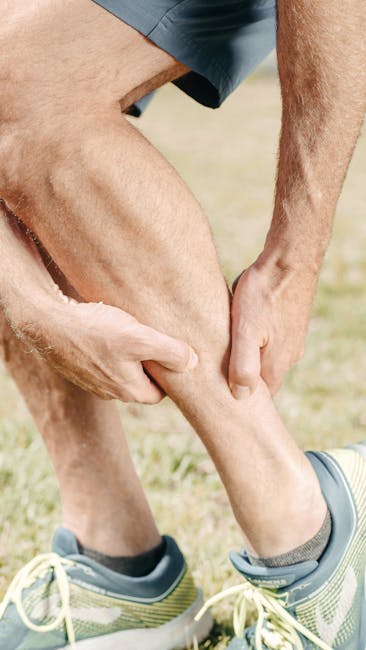
Mastering Muscle Cramps: Proven Strategies for Relief and Prevention
Muscle cramps, those sudden, involuntary, and often intensely painful contractions of muscle fibers, are a common affliction affecting individuals across all ages and activity levels. While the exact etiology of many cramps remains elusive, current understanding points to a complex interplay of physiological factors including electrolyte imbalances, dehydration, muscle fatigue, nerve compression, and even certain underlying medical conditions. Addressing muscle cramps effectively requires a multi-pronged approach encompassing immediate relief strategies, preventative measures, and, in persistent or severe cases, medical consultation. This article delves into the most effective methods for managing muscle cramps, providing actionable advice for individuals seeking respite from these debilitating spasms.
Immediate Relief: Quelling the Spasm
When a muscle cramp strikes, the primary objective is to alleviate the intense pain and involuntary contraction. Several immediate relief techniques can be employed:
-
Stretching: Gentle and sustained stretching of the affected muscle is the cornerstone of immediate cramp relief. For a calf cramp, for instance, dorsiflexing the foot (pulling the toes towards the shin) and holding the stretch can effectively lengthen the contracted muscle fibers. For a hamstring cramp, lying on your back and gently pulling the affected leg towards your chest with a towel or strap can provide relief. The key is to apply steady, moderate pressure, avoiding any jerky or forceful movements that could exacerbate the spasm or cause injury. Hold the stretch for at least 20-30 seconds, repeating as necessary.
-
Massage: Deep tissue massage of the cramped muscle can help to release the tension and improve blood flow. Apply firm pressure with your fingers, thumbs, or a massage tool to the knotted area, working the muscle fibers to encourage relaxation. Some individuals find relief from self-massage, while others may benefit from assistance from a partner or a professional massage therapist. The warmth generated from massage can also contribute to muscle relaxation.
-
Heat Application: Applying heat to the cramped muscle can promote relaxation and increase blood circulation, which aids in the resolution of the cramp. A warm compress, heating pad, or a warm bath can be effective. The heat should be comfortably warm, not hot enough to cause burns. Applying heat before or after stretching can enhance its effectiveness.
-
Cold Application (in some cases): While heat is generally preferred for acute cramps, some individuals find that a cold compress can offer temporary numbing relief and reduce inflammation, particularly if the cramp is associated with recent strenuous activity or a minor muscle strain. However, it’s crucial to note that cold can sometimes constrict muscles, so its effectiveness is individual and should be cautiously applied.
-
Hydration (Oral Intake): While immediate oral hydration might not instantly resolve a cramp caused by severe dehydration, it is a critical step in addressing one of the primary underlying causes. Sipping on water or an electrolyte-rich beverage can begin the process of rehydration, which is essential for muscle function.
Preventative Strategies: Building Resilience
Preventing muscle cramps is often more effective and desirable than treating them. A proactive approach focusing on hydration, nutrition, proper training, and addressing potential underlying issues can significantly reduce the frequency and severity of cramps.
-
Optimal Hydration: Dehydration is a leading culprit in muscle cramps. Adequate fluid intake is paramount, especially during and after physical activity, in hot weather, or when experiencing illness. Aim for a consistent intake of water throughout the day. Electrolyte-rich beverages, such as those containing sodium, potassium, magnesium, and calcium, can be particularly beneficial for individuals prone to cramping, especially during prolonged or intense exercise. Monitoring urine color can serve as a simple indicator of hydration levels; pale yellow urine generally signifies adequate hydration.
-
Balanced Electrolyte Intake: Electrolytes play a crucial role in nerve signal transmission and muscle contraction. Deficiencies in minerals like potassium, magnesium, and calcium can predispose individuals to cramps. Dietary sources rich in these minerals include bananas, leafy green vegetables, nuts, seeds, dairy products, and whole grains. In some cases, electrolyte supplements may be considered, but it is always advisable to consult with a healthcare professional or registered dietitian before initiating supplementation.
-
Proper Warm-up and Cool-down: A comprehensive warm-up routine prepares muscles for exertion by increasing blood flow and muscle temperature, making them more pliable and less susceptible to cramping. Static stretching during a warm-up should be dynamic, involving controlled movements through a range of motion. Similarly, a cool-down period that includes static stretching helps to gradually lower heart rate, reduce muscle tension, and improve flexibility, aiding in recovery and preventing post-exercise cramps.
-
Gradual Progression of Exercise Intensity: Overtraining and sudden increases in exercise intensity or duration can overload muscles, leading to fatigue and increasing the likelihood of cramps. A gradual and progressive approach to training allows muscles to adapt to increased demands. Listening to your body and allowing for adequate rest and recovery is essential.
-
Stretching and Flexibility: Regular stretching, even outside of exercise, can improve overall muscle flexibility and reduce the likelihood of involuntary contractions. Incorporating a consistent stretching routine into your daily life, focusing on commonly affected muscle groups, can contribute significantly to cramp prevention. Yoga and Pilates are excellent modalities for improving flexibility and muscle strength.
-
Appropriate Footwear: Ill-fitting or unsupportive footwear can contribute to biomechanical issues that can lead to muscle strain and cramping, particularly in the lower extremities. Ensure your athletic shoes provide adequate support and cushioning for your activity level.
-
Managing Muscle Fatigue: Fatigue reduces the ability of muscles to relax after contraction, making them more prone to cramping. Adequate rest and recovery periods between training sessions are crucial. Prioritizing sleep is also vital, as muscle repair and regeneration occur during sleep.
When to Seek Medical Advice: Recognizing Red Flags
While most muscle cramps are benign and can be managed with home remedies and lifestyle modifications, persistent, severe, or recurrent cramps warrant medical attention. Consult a healthcare professional if you experience:
- Severe or Unrelenting Cramps: Cramps that are intensely painful, do not improve with self-care measures, or significantly interfere with daily activities.
- Recurrent Cramps: Frequent episodes of muscle cramps that occur without clear triggers or are disproportionate to your activity level.
- Cramps Associated with Swelling, Redness, or Skin Changes: These symptoms could indicate an underlying inflammatory condition or infection.
- Muscle Weakness: If cramps are accompanied by significant muscle weakness in the affected limb, it could signal a neurological issue.
- Cramps Occurring Without Muscle Use: Cramps that happen when the muscle is at rest and not under any strain.
- Cramps Associated with Other Medical Conditions: If you have existing medical conditions such as diabetes, kidney disease, thyroid disorders, or circulatory problems, it’s important to discuss your cramps with your doctor, as they may be a symptom of the underlying condition.
- Cramps Associated with Medication Side Effects: Certain medications, including diuretics, statins, and some blood pressure medications, can contribute to muscle cramps. Discuss any new or worsening cramps with your prescribing physician.
Underlying Medical Conditions and Muscle Cramps
In some instances, muscle cramps can be indicative of more serious underlying medical conditions. It is crucial for healthcare professionals to consider these possibilities during diagnosis:
- Nerve Compression: Conditions like spinal stenosis or a herniated disc can compress nerves that supply the muscles, leading to cramping.
- Peripheral Artery Disease (PAD): Reduced blood flow to the limbs, particularly the legs, due to PAD can cause intermittent claudication, a type of cramping pain that occurs with exertion and resolves with rest.
- Electrolyte Imbalances: Beyond simple dehydration, chronic conditions affecting the kidneys or gastrointestinal tract can lead to persistent electrolyte imbalances, manifesting as muscle cramps.
- Neurological Disorders: Conditions such as Amyotrophic Lateral Sclerosis (ALS), Multiple Sclerosis (MS), and Parkinson’s disease can sometimes present with muscle cramps as a symptom.
- Endocrine Disorders: Hypothyroidism and diabetes can influence muscle function and contribute to cramping.
- Medication Side Effects: As mentioned, a wide array of medications can have muscle cramps as a reported side effect. A thorough review of current medications is essential.
Diagnostic Approaches
When investigating the cause of persistent or concerning muscle cramps, a physician may employ several diagnostic tools:
- Medical History and Physical Examination: A detailed patient history, including the timing, location, triggers, and associated symptoms of the cramps, combined with a thorough physical examination, is the initial step.
- Blood Tests: Blood work can assess electrolyte levels (sodium, potassium, calcium, magnesium), kidney function, thyroid hormone levels, and blood glucose.
- Nerve Conduction Studies and Electromyography (EMG): These tests evaluate the function of nerves and muscles and can help identify nerve compression or muscle dysfunction.
- Imaging Studies: Depending on suspected causes, X-rays, MRI, or CT scans of the spine or affected limbs may be ordered to visualize bone structure, discs, and soft tissues.
- Doppler Ultrasound: This can assess blood flow in the limbs to rule out peripheral artery disease.
Conclusion
Muscle cramps, while often a nuisance, can be effectively managed through a combination of immediate relief techniques and consistent preventative measures. Prioritizing hydration, balanced nutrition, proper exercise practices, and listening to your body are paramount for reducing their occurrence. However, it is critical to recognize when muscle cramps may signal an underlying medical issue and to seek professional medical advice. By understanding the multifaceted nature of muscle cramps and adopting a comprehensive approach to their management, individuals can significantly improve their quality of life and enjoy greater freedom from these painful spasms.
