
High Protein Breakfast Quesadilla
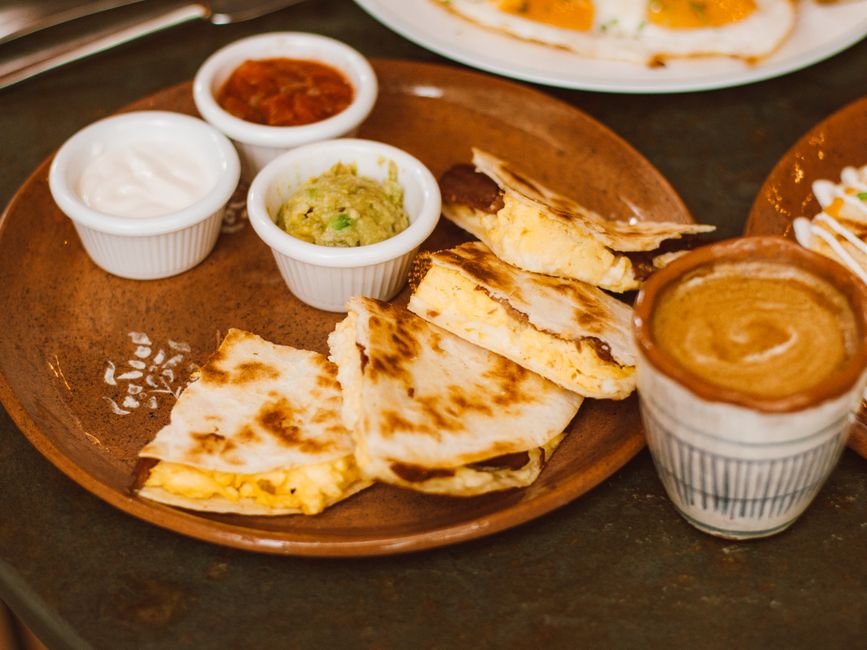
The Ultimate High-Protein Breakfast Quesadilla: A Savory Powerhouse for Sustained Energy and Muscle Growth
This article details the creation and benefits of a high-protein breakfast quesadilla, a versatile and nutrient-dense meal designed to provide sustained energy, support muscle repair and growth, and promote satiety throughout the morning. We will explore the foundational components, ingredient customization, preparation techniques, and the nutritional advantages of incorporating this savory breakfast option into your routine. The focus will be on maximizing protein content while ensuring a balanced and flavorful meal that can be adapted to various dietary needs and preferences.
The core of a high-protein breakfast quesadilla lies in its protein-rich fillings. Traditional quesadillas often rely heavily on cheese, which, while contributing some protein and fat, is not always the most efficient protein source for a meal designed for significant protein intake. To elevate the protein content, we will focus on incorporating lean meats, eggs, and legumes. Scrambled eggs are a breakfast staple and an excellent starting point. For a single serving, 2-3 large eggs provide approximately 12-18 grams of protein. Combining eggs with shredded cooked chicken breast or turkey breast significantly boosts the protein. A 3-ounce serving of chicken breast offers around 25-27 grams of protein. Similarly, lean ground turkey or even pre-cooked lean ground beef can be incorporated. For vegetarian and vegan options, black beans, kidney beans, or a mix of legumes are crucial. A half-cup of cooked black beans contains about 7-8 grams of protein and a substantial amount of fiber, further contributing to satiety. Tofu, particularly firm or extra-firm varieties, can be scrambled and seasoned to mimic the texture of eggs, offering around 10 grams of protein per half-cup. Tempeh, a fermented soybean product, is another excellent vegan protein source with a slightly nutty flavor, providing about 15-17 grams of protein per half-cup.
Beyond the primary protein sources, cheese plays a role, albeit a secondary one in a high-protein iteration. Opting for lower-fat cheese varieties like reduced-fat cheddar, Monterey Jack, or a blend can contribute an additional 6-8 grams of protein per ounce while managing saturated fat intake. For a truly protein-packed experience, consider incorporating cottage cheese or Greek yogurt into the filling. A half-cup of low-fat cottage cheese can add 12-14 grams of protein, and the same amount of plain, non-fat Greek yogurt contributes around 10-12 grams. These creamy additions also enhance moisture and flavor. It’s important to note that while cheese contributes protein, over-reliance on high-fat cheeses can increase the overall calorie and fat content of the quesadilla, which may not align with everyone’s dietary goals. Therefore, judicious use and selection of lower-fat alternatives are recommended.
The tortilla itself is the vessel for these protein-rich ingredients and also contributes to the overall nutritional profile. While standard flour tortillas are common, they offer minimal protein (typically 2-3 grams per tortilla). For a protein-enhanced quesadilla, consider opting for whole wheat tortillas, which offer slightly more fiber and a modest protein increase (around 3-4 grams). Specialized high-protein tortillas are increasingly available, often made with added pea protein, whey protein, or soy protein isolate, and can provide 8-12 grams of protein per tortilla. These are an excellent way to significantly boost the protein content without altering the fundamental quesadilla structure. Alternatively, some individuals opt for low-carb tortillas, which, while not necessarily high in protein, can help manage carbohydrate intake, allowing for a greater proportion of protein and healthy fats. When choosing tortillas, always check the nutrition labels for protein and fiber content.
Beyond the core ingredients, a variety of vegetables can be incorporated to add nutrients, fiber, and flavor without significantly impacting the protein count. Finely diced bell peppers (any color), onions, spinach, mushrooms, and jalapeños are excellent choices. Sautéing these vegetables before adding them to the quesadilla can soften their texture and enhance their sweetness. Spinach, in particular, wilts down significantly and adds a dose of vitamins and minerals. Adding a handful of fresh spinach to the filling is an easy way to boost nutrient density. For a more substantial vegetable component, consider roasted sweet potatoes or butternut squash, which provide complex carbohydrates and fiber. While these vegetables primarily contribute carbohydrates and micronutrients, they are essential for a balanced meal.
Seasoning is paramount to achieving a delicious and satisfying high-protein breakfast quesadilla. Salt and black pepper are foundational. For Mexican-inspired flavors, cumin, chili powder, smoked paprika, and garlic powder are essential. A pinch of cayenne pepper can add a subtle kick. For a more versatile flavor profile, consider using Italian herbs like oregano and basil if pairing with chicken and vegetables like spinach and mushrooms. Nutritional yeast can be added to vegan fillings to impart a cheesy, umami flavor. Hot sauces, salsa, and guacamole can be used as toppings or incorporated into the filling for added flavor and moisture. When selecting salsas and hot sauces, be mindful of added sugars and sodium content.
Preparation of the high-protein breakfast quesadilla is straightforward and adaptable. The key is to cook the protein fillings thoroughly before assembling the quesadilla. For eggs, scramble them until just cooked, ensuring they are not overcooked and dry. If using pre-cooked chicken or turkey, shred or dice it into bite-sized pieces. If using beans, ensure they are drained and rinsed. Sauté any vegetables until tender-crisp. For assembly, lay a tortilla flat. Layer half of the tortilla with your chosen protein fillings, cheese (if using), and vegetables. Fold the other half of the tortilla over the fillings, creating a semi-circle. Heat a non-stick skillet or griddle over medium heat. A small amount of healthy fat, such as olive oil or avocado oil, can be used to lightly coat the pan for a crispier exterior. Cook the quesadilla for 3-5 minutes per side, or until golden brown and the cheese is melted. For a double-decker quesadilla, assemble two filled halves and place them protein-side down, then top with another tortilla and grill. This method can further increase the protein density.
The nutritional benefits of a high-protein breakfast quesadilla are numerous and directly contribute to overall health and well-being. Protein is a macronutrient essential for muscle protein synthesis, a process vital for muscle repair and growth, especially after exercise. Consuming adequate protein at breakfast helps kickstart this process and can contribute to lean muscle mass maintenance. Protein also plays a crucial role in satiety. Foods high in protein take longer to digest, leading to a feeling of fullness that can help curb mid-morning cravings and prevent overeating later in the day. This can be particularly beneficial for individuals managing their weight. Furthermore, protein is more thermogenic than carbohydrates or fats, meaning the body expends more energy to digest it, contributing to a slight metabolic boost.
Beyond protein, the incorporation of whole grains (from whole wheat tortillas), legumes, and vegetables provides essential fiber. Fiber is critical for digestive health, promoting regular bowel movements and supporting a healthy gut microbiome. It also contributes to satiety and helps regulate blood sugar levels, preventing sharp spikes and crashes that can lead to energy slumps. Complex carbohydrates from whole grains and vegetables provide sustained energy release, preventing the fatigue often associated with refined carbohydrate breakfasts. Healthy fats, derived from ingredients like avocado (as a topping) or a moderate amount of cheese, are also important for hormone production, nutrient absorption, and brain health.
The versatility of the high-protein breakfast quesadilla makes it an excellent option for a wide range of dietary preferences and restrictions. For those following a ketogenic diet, using low-carb tortillas, focusing on eggs, cheese, and lean meats, and incorporating low-carbohydrate vegetables like spinach and peppers can create a very low-carb, high-fat, and high-protein meal. For individuals with lactose intolerance, omitting dairy cheese and opting for plant-based cheeses or focusing on egg and meat fillings, or using nutritional yeast for a cheesy flavor, is a viable strategy. Vegan high-protein breakfast quesadillas can be constructed using seasoned tofu or tempeh, black beans, or other legumes, along with a variety of vegetables and plant-based cheese alternatives, all encased in a whole wheat or specialized vegan protein tortilla.
Meal prepping this breakfast option can significantly enhance convenience. Pre-cook and portion protein fillings like shredded chicken, scrambled eggs (which can be reheated well), or seasoned black beans. Chop vegetables in advance and store them in airtight containers. On busy mornings, simply assemble and cook the quesadilla. This proactive approach ensures that a nutritious and high-protein breakfast is readily available, reducing the temptation to reach for less healthy, processed breakfast alternatives.
In summary, the high-protein breakfast quesadilla is a powerful, customizable, and delicious meal that can significantly contribute to an individual’s daily protein intake and overall nutritional goals. By focusing on lean protein sources, smart carbohydrate choices for the tortilla, and incorporating nutrient-dense vegetables, one can create a savory powerhouse that promotes sustained energy, supports muscle health, and keeps hunger at bay. Its adaptability makes it a suitable option for a diverse range of dietary needs, and its ease of preparation and meal-prepping potential solidify its position as an ideal breakfast solution for those seeking to optimize their morning nutrition.