
Can Pasta Be Healthy
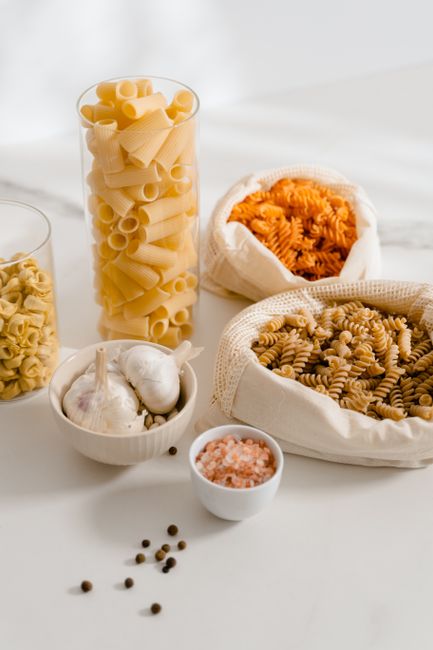
Can Pasta Be Healthy? Unpacking the Nutritional Value of Pasta
The perception of pasta as inherently unhealthy is a pervasive misconception. While certainly some preparations and varieties lean towards less nutritious, pasta itself, when chosen and prepared thoughtfully, can be a valuable component of a balanced diet. Its versatility and capacity to absorb nutrients from accompanying ingredients are often overlooked. Understanding the macronutrient profile, the impact of different pasta types, and the importance of portion control and preparation methods are crucial to debunking the myth that pasta is solely a source of empty calories.
At its core, pasta is primarily a carbohydrate. Carbohydrates are the body’s preferred source of energy, fueling daily activities, cognitive function, and physical performance. A typical serving of pasta (approximately 2 ounces dry) provides around 200 calories, predominantly from carbohydrates, with smaller amounts of protein and virtually no fat. This macronutrient breakdown is not inherently detrimental; it’s the context of the overall diet and individual dietary needs that determine its healthfulness. The quality of these carbohydrates, however, varies significantly between different types of pasta, which we will explore in detail.
Whole wheat pasta stands out as a significantly healthier option compared to its refined white flour counterpart. This distinction lies in the processing. Whole wheat flour retains the entire wheat kernel – the bran, germ, and endosperm. The bran and germ are rich in dietary fiber, B vitamins (thiamine, niacin, riboflavin, folate), and minerals like iron, magnesium, and zinc. Fiber, in particular, plays a pivotal role in promoting digestive health, regulating blood sugar levels, and contributing to satiety, which can aid in weight management. The slower digestion of complex carbohydrates found in whole wheat pasta leads to a more gradual release of glucose into the bloodstream, preventing sharp spikes and subsequent crashes often associated with refined grains. This makes it a more sustainable energy source and beneficial for individuals managing conditions like type 2 diabetes.
Beyond whole wheat, other pasta varieties offer unique nutritional advantages. Lentil pasta, chickpea pasta, and other legume-based pastas are gaining popularity due to their impressive protein and fiber content. These alternatives are naturally gluten-free and provide a substantial boost of plant-based protein, which is essential for muscle repair and growth, enzyme production, and overall cellular function. The higher fiber content in these legume pastas further enhances their satiety factor and contributes to a more stable energy release. For individuals seeking to increase their protein intake or looking for gluten-free options, these alternatives present a compelling and nutritious choice.
Brown rice pasta, another gluten-free option, also offers a more favorable nutritional profile than refined white pasta. While it might not boast the same protein content as legume-based pastas, it still provides a good source of complex carbohydrates and some fiber, making it a step up from traditional white pasta for those avoiding gluten. Its carbohydrate digestion is also slower than refined grains, contributing to steadier energy levels.
The glycemic index (GI) of pasta is a critical factor when considering its health implications. The GI measures how quickly a food raises blood sugar levels. Refined white pasta typically has a high GI, meaning it causes a rapid increase in blood sugar. In contrast, whole wheat pasta and legume-based pastas generally have a lower GI due to their higher fiber and protein content, which slows down digestion and glucose absorption. This lower GI is beneficial for blood sugar control, reducing the risk of insulin resistance and type 2 diabetes, and contributing to sustained energy throughout the day.
Portion control is paramount in any dietary strategy, and pasta is no exception. Even healthy pasta can contribute to excess calorie intake and weight gain if consumed in excessive quantities. A standard serving size of dry pasta is typically around 2 ounces (about 56 grams), which yields roughly 1 cup cooked. This portion provides adequate carbohydrates for energy without overwhelming the meal with calories. Overconsumption can lead to a caloric surplus, which, regardless of the food source, can result in weight gain. Pairing pasta with nutrient-dense, low-calorie accompaniments further enhances the healthfulness of the meal.
The way pasta is prepared and what it is served with significantly impacts its overall nutritional value. A bed of pasta loaded with creamy, high-fat sauces, excessive cheese, and processed meats will inherently be less healthy than a bowl of whole wheat pasta tossed with lean protein, a generous serving of vegetables, and a light, tomato-based sauce. The sauce and toppings can easily transform a potentially healthy carbohydrate base into a calorie-dense, nutrient-poor meal. Opting for sauces rich in vegetables, such as marinara, primavera, or pesto made with healthy fats, provides additional vitamins, minerals, and fiber. Incorporating lean protein sources like grilled chicken, fish, beans, or lentils further balances the meal, promoting satiety and providing essential amino acids.
The cooking time of pasta also plays a minor but noteworthy role. Cooking pasta al dente (to the tooth) means it retains a firmer texture and has a slightly lower glycemic index compared to overcooked, mushy pasta. The prolonged cooking process breaks down starches further, making them more readily digestible and thus potentially leading to a quicker rise in blood sugar. While the difference might be subtle, it contributes to the overall approach of maximizing the health benefits of pasta.
For individuals with specific dietary restrictions, such as celiac disease or gluten sensitivity, traditional wheat-based pasta is not an option. Fortunately, the market offers a wide array of gluten-free pastas made from alternative flours like rice, corn, quinoa, buckwheat, lentils, and chickpeas. As mentioned, legume-based options are particularly nutrient-dense, offering protein and fiber benefits that surpass many other gluten-free alternatives. When choosing gluten-free pasta, it’s still advisable to look for whole-grain or legume-based varieties for optimal nutritional impact.
The role of pasta in a healthy diet is often misunderstood due to its association with Westernized eating patterns that frequently feature large portions of refined pasta drowned in heavy, calorie-laden sauces. However, in Mediterranean cuisines, where pasta is a staple, it is typically consumed in moderate portions and paired with an abundance of vegetables, lean proteins, and healthy fats, contributing to the region’s renowned health benefits. This cultural context highlights how preparation and accompaniment are key determinants of pasta’s health status.
Considering pasta as a carbohydrate source, its contribution to energy levels is undeniable. For athletes or individuals engaging in regular physical activity, pasta can be an excellent pre- or post-workout meal, providing the necessary fuel for performance and recovery. The complex carbohydrates in whole grain or legume-based pastas offer sustained energy release, which is crucial for endurance activities.
The sodium content of pasta itself is generally low. However, the sodium can increase significantly depending on the sauces, added cheeses, and processed ingredients used in preparation. Individuals monitoring their sodium intake should be mindful of these accompaniments. Opting for homemade sauces and limiting the use of high-sodium processed foods is crucial for managing overall sodium consumption.
In conclusion, the question of whether pasta can be healthy is definitively answered in the affirmative. The healthfulness of pasta is not an intrinsic quality of the grain itself but rather a multifaceted outcome influenced by the type of pasta chosen, the portion size consumed, and, critically, the way it is prepared and the ingredients it is paired with. Prioritizing whole wheat, legume-based, or other nutrient-dense pasta varieties, practicing mindful portion control, and focusing on lighter, vegetable-rich sauces and lean protein accompaniments are the cornerstones of incorporating pasta into a healthy and balanced diet. By dispelling the myth of pasta as inherently unhealthy and embracing a more nuanced understanding of its nutritional potential, individuals can enjoy this versatile food as a satisfying and health-promoting staple.
