
6 Meditation Styles To Match Your Personality
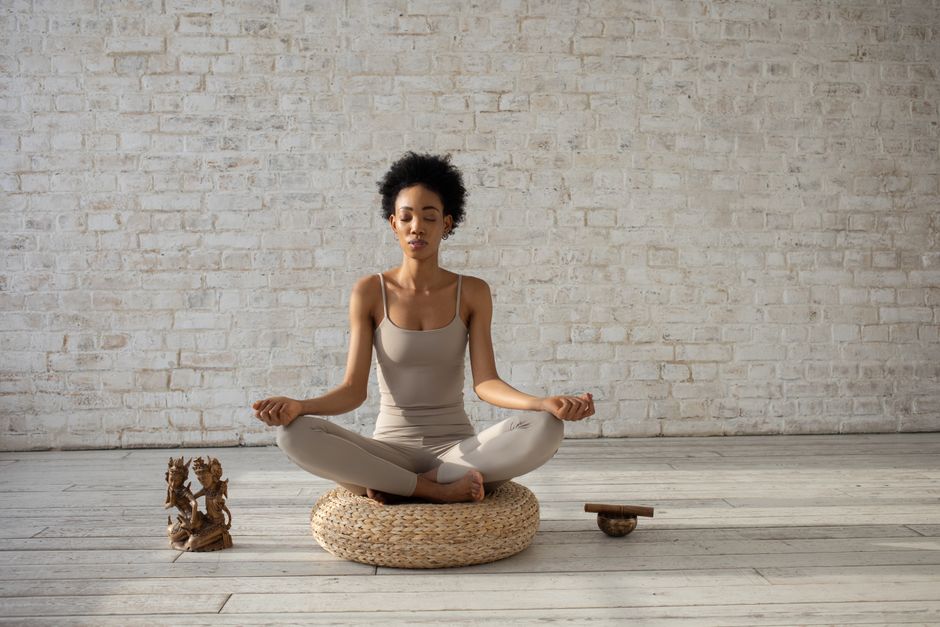
Finding Your Inner Peace: 6 Meditation Styles to Match Your Unique Personality
Meditation is a powerful tool for stress reduction, improved focus, and enhanced emotional well-being. However, the sheer variety of meditation techniques can feel overwhelming. The key to unlocking its benefits lies in finding a practice that resonates with your individual personality and disposition. This article explores six distinct meditation styles, detailing their core principles, typical approaches, and the personality types that tend to thrive with each. By understanding these connections, you can confidently choose a meditation practice that feels natural, sustainable, and deeply rewarding.
1. Mindfulness Meditation: The Present Moment Seeker
Mindfulness meditation is perhaps the most widely practiced and accessible form of meditation. Its essence lies in paying deliberate, non-judgmental attention to the present moment. This involves observing thoughts, feelings, bodily sensations, and the surrounding environment as they arise and pass away without getting caught up in them. The core principle is awareness – cultivating a conscious connection to what is happening right now.
Typical Approach: A common mindfulness practice involves focusing on the breath. You simply observe the sensation of the inhale and exhale, the rise and fall of the chest or abdomen. When the mind wanders (which it inevitably will), the practice is to gently acknowledge the thought without judgment and then guide your attention back to the breath. Other mindfulness techniques can involve mindful walking, mindful eating, or body scan meditations, where you systematically bring awareness to different parts of your body. The emphasis is always on impartial observation, seeing things as they are.
Personality Match: Mindfulness meditation is ideal for individuals who are analytical, curious, and somewhat introspective. Those who tend to overthink or get lost in rumination often find mindfulness to be an excellent antidote. It appeals to the patient and disciplined personality, as it requires consistent effort to cultivate non-judgmental awareness. If you are someone who enjoys exploring the nuances of your internal experience, dissecting your thoughts, and understanding the mechanisms of your mind, mindfulness meditation will likely feel like a natural fit. It’s also beneficial for those who feel easily distracted or overwhelmed, as it teaches the skill of anchoring oneself in the present, creating a sense of calm amidst chaos. Individuals who are naturally observant and detail-oriented will also find this practice rewarding, as it hones their ability to perceive subtle internal and external cues.
SEO Keywords: Mindfulness meditation, present moment awareness, non-judgmental observation, stress reduction techniques, focus improvement, breath awareness, body scan meditation, self-awareness practices, analytical thinking, introspective personality.
2. Loving-Kindness Meditation (Metta): The Compassionate Heart
Loving-kindness meditation, also known as Metta meditation, is a practice that cultivates feelings of warmth, compassion, and unconditional love towards oneself and others. The primary goal is to foster a sense of benevolence and connection, actively dismantling feelings of anger, resentment, or ill-will. It’s about intentionally radiating positive emotions.
Typical Approach: The practice typically begins by directing loving-kindness towards oneself. This involves silently repeating phrases such as "May I be happy," "May I be healthy," "May I be safe," and "May I live with ease." Once a sense of warmth and kindness is established internally, the practice extends outwards. It moves to loved ones, then to neutral acquaintances, then to difficult people, and finally to all sentient beings. The phrases can be adapted for each recipient. The emphasis is on the cultivation of genuine feeling, not just the repetition of words.
Personality Match: Loving-kindness meditation is particularly well-suited for individuals who are empathetic, nurturing, and naturally inclined towards altruism. If you are someone who feels deeply for others, is concerned with the well-being of the planet and its inhabitants, and has a desire to foster more positive relationships, Metta will resonate strongly. It’s also a powerful practice for those who struggle with self-criticism or a tendency towards negativity. By consciously cultivating self-compassion, individuals can begin to heal their inner wounds and foster a more positive self-image. Those who are socially oriented and value connection will find this practice deeply fulfilling, as it directly addresses the cultivation of positive interpersonal dynamics. Individuals who are on a spiritual path focused on interconnectedness and universal love will also find Metta to be a cornerstone of their practice.
SEO Keywords: Loving-kindness meditation, Metta meditation, compassion cultivation, empathy development, positive emotions, self-compassion, altruism, positive relationships, emotional well-being, spiritual growth, universal love.
3. Transcendental Meditation (TM): The Effortless Stillness Seeker
Transcendental Meditation (TM) is a mantra-based meditation technique that emphasizes effortless transcending of the mind to reach a state of deep rest and relaxation. It’s characterized by its simplicity and the use of a specific, personalized mantra given by a certified TM teacher. The core belief is that through this simple technique, the mind can naturally settle into a state of "transcendental consciousness," a state of pure awareness.
Typical Approach: During a TM session, which typically lasts 15-20 minutes twice a day, the practitioner sits comfortably with eyes closed and silently repeats their assigned mantra. The mantra is not meant to be concentrated upon or controlled, but rather used as a vehicle to allow the mind to settle naturally. There’s no effort involved in thinking or trying to stop thoughts. The mantra simply provides a focal point for the mind to naturally drift towards quieter levels of awareness.
Personality Match: Transcendental Meditation is often favored by individuals who appreciate simplicity, efficiency, and a structured approach. Those who may have found other meditation techniques too challenging or requiring too much concentration often thrive with TM due to its effortless nature. It appeals to the practical and results-oriented personality, as TM is known for its profound and consistent stress-reducing benefits. If you are someone who has a busy schedule and seeks a meditation practice that is easy to learn and integrate, TM can be an excellent choice. It’s also beneficial for those who are skeptical of overly spiritual or abstract practices and prefer a straightforward, science-backed method. Individuals seeking deep relaxation and mental rejuvenation without the perceived "work" of other techniques often find TM to be the perfect solution.
SEO Keywords: Transcendental Meditation, TM meditation, mantra meditation, effortless meditation, deep relaxation, stress relief, mental clarity, personal mantra, simplified meditation, efficiency, practical meditation.
4. Vipassanā Meditation: The Insight Seeker
Vipassanā, meaning "insight" or "clear seeing" in Pali, is an ancient Indian meditation technique that focuses on developing deep insight into the nature of reality. It’s a systematic observation of bodily sensations, thoughts, and emotions with the aim of understanding impermanence, suffering, and non-self. The core principle is to see things as they truly are, free from delusion and misconception.
Typical Approach: Vipassanā meditation typically involves observing the breath and then systematically bringing awareness to physical sensations throughout the body. The practitioner observes these sensations – be they pleasant, unpleasant, or neutral – with equanimity, understanding that they are impermanent. Thoughts and emotions are also observed as passing phenomena. The practice often involves prolonged periods of silent meditation, sometimes over several days or weeks in retreat settings. The emphasis is on direct experiential understanding rather than intellectual comprehension.
Personality Match: Vipassanā meditation is best suited for individuals who are highly curious, introspective, and possess a strong intellectual drive to understand the fundamental nature of existence. Those who are seeking profound personal transformation and are willing to confront uncomfortable truths about themselves and the world will find Vipassanā to be a powerful path. It appeals to the philosophical and inquisitive personality, those who enjoy deep contemplation and the pursuit of wisdom. Individuals who are patient and disciplined, and are prepared for a potentially challenging but ultimately rewarding journey of self-discovery, will also benefit greatly. It’s not a practice for those seeking quick fixes or superficial relaxation, but rather for those who are committed to a deep and enduring exploration of the mind and reality.
SEO Keywords: Vipassana meditation, insight meditation, Buddhist meditation, mindfulness of sensations, impermanence, suffering, non-self, self-discovery, philosophical inquiry, spiritual insight, equanimity, deep understanding.
5. Walking Meditation: The Grounded Explorer
Walking meditation is a contemplative practice that integrates mindful awareness into the simple act of walking. Instead of sitting still, the practitioner brings their attention to the physical sensations of walking – the lifting and placing of the feet, the movement of the legs, the rhythm of the body, and the connection to the earth. The goal is to cultivate presence and awareness in motion.
Typical Approach: Walking meditation can be done indoors or outdoors. The pace is usually slow and deliberate, allowing for full attention to each step. You might focus on the sensation of your feet touching the ground, the gentle swing of your arms, or the feeling of the air on your skin. When the mind wanders, the practice is to acknowledge it and gently bring the focus back to the sensations of walking. It can be practiced for short periods or extended durations.
Personality Match: Walking meditation is an excellent choice for individuals who find it difficult to sit still for extended periods, those who are active and kinetic, or those who feel more grounded and connected to their bodies when in motion. It appeals to the explorer and the restless spirit, allowing them to engage in a meditative practice without feeling confined. If you are someone who enjoys nature and the outdoors, or if you find that movement helps you to think more clearly and access a sense of calm, walking meditation will be a natural fit. It’s also beneficial for those who feel unsettled or anxious when sitting still, as it provides a dynamic way to cultivate present moment awareness. Individuals who enjoy combining physical activity with mental practice will find this style particularly appealing.
SEO Keywords: Walking meditation, mindful walking, active meditation, movement meditation, grounding techniques, outdoor meditation, kinetic personality, restless spirit, presence in motion, body awareness, anxiety relief.
6. Yoga Meditation: The Holistic Harmonizer
Yoga meditation encompasses a broad range of meditative practices often integrated with the physical postures (asanas) and breathwork (pranayama) of yoga. While many forms of yoga incorporate meditative elements, dedicated yoga meditation practices aim to quiet the mind and connect with a deeper sense of self through a combination of physical and mental disciplines. The core principle is the holistic integration of body, mind, and spirit.
Typical Approach: Yoga meditation can take many forms. Some practices involve deep relaxation at the end of a yoga class (Savasana), focusing on releasing tension and cultivating stillness. Others might involve guided meditations, chanting mantras, or focusing on specific energy centers in the body. Pranayama exercises, such as alternate nostril breathing, are often used to calm the nervous system and prepare the mind for deeper meditation. Some styles, like Kundalini yoga, heavily emphasize meditation with specific sequences of postures, breathwork, and chanting.
Personality Match: Yoga meditation is ideal for individuals who seek a holistic approach to well-being, recognizing the interconnectedness of the physical and mental. It appeals to those who appreciate the discipline and structure inherent in yoga, but also desire a deeper spiritual or contemplative dimension. If you are someone who enjoys physical activity and finds it enhances your mental clarity and emotional balance, yoga meditation will likely resonate. It’s also beneficial for individuals who are looking for a practice that offers both physical and mental benefits, promoting flexibility, strength, and inner peace simultaneously. Those who are drawn to spiritual traditions that emphasize the union of body and mind will find this approach particularly fulfilling.
SEO Keywords: Yoga meditation, holistic well-being, body-mind connection, spiritual practice, pranayama, asanas, Savasana, guided meditation, chanting, energy centers, holistic health, mental and physical benefits.
