
One Pot Vegan Farro Jambalaya
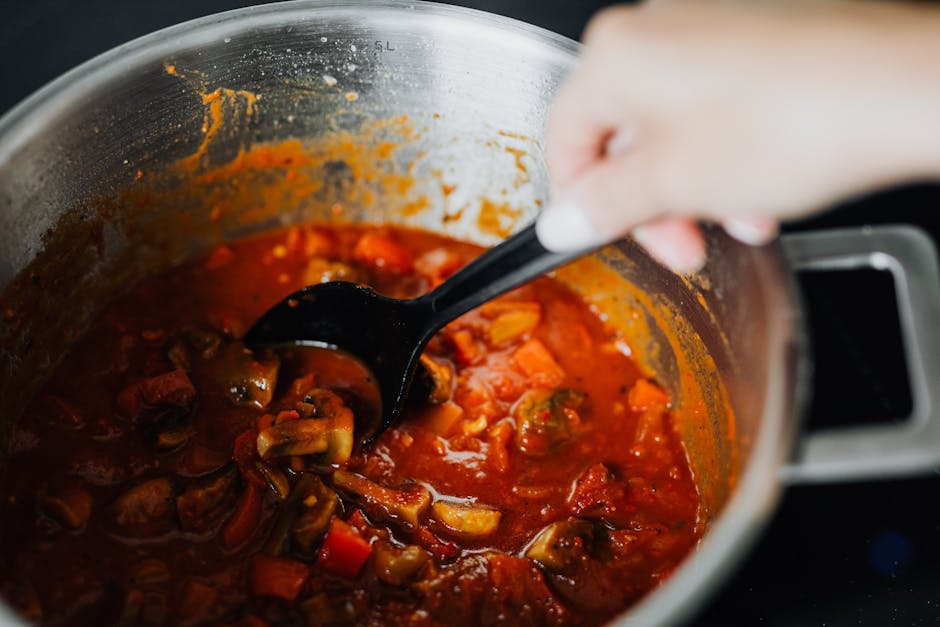
One-Pot Vegan Farro Jambalaya: A Hearty, Flavorful, and SEO-Optimized Recipe
This one-pot vegan farro jambalaya delivers a deeply satisfying and complex flavor profile, marrying the chewy texture of farro with the vibrant aromatics and smoky notes characteristic of traditional jambalaya. Unlike its rice-based counterpart, farro offers a more robust bite and a higher nutritional profile, boasting significant amounts of fiber and protein. This recipe is designed for ease and efficiency, minimizing cleanup without compromising on taste. It’s a perfect weeknight meal that can be prepped in advance, making it an ideal candidate for meal prep and busy households. The beauty of this dish lies in its simplicity – all the ingredients meld together in a single pot, allowing flavors to infuse and deepen. The base of sautéed aromatics forms the foundation, followed by the hearty farro, vegetables, and a rich, spiced broth. The final result is a comforting and nutritious meal that appeals to both vegans and non-vegans alike, proving that plant-based cooking can be incredibly satisfying and flavorful. The inherent adaptability of this recipe means you can customize it with your favorite vegetables or protein additions, further enhancing its appeal and SEO potential.
The cornerstone of this vegan farro jambalaya is, of course, the farro itself. This ancient grain, originating from the Fertile Crescent, is a staple in Mediterranean and Middle Eastern cuisines for good reason. Its nutty flavor and chewy texture are remarkably satisfying, and it absorbs liquids beautifully, making it ideal for dishes like this one-pot wonder. When cooked in the jambalaya broth, farro releases its starches, contributing to a delightful creaminess that balances its inherent chewiness. For this recipe, pearled farro is recommended for its quicker cooking time and more uniform texture. If using semi-pearled or whole farro, adjust the cooking time accordingly, as they will require longer to soften. The nutritional benefits of farro are substantial. It’s a fantastic source of dietary fiber, crucial for digestive health and promoting satiety, which can be a valuable keyword for health-conscious readers. It also provides a good amount of plant-based protein, making this jambalaya a complete and balanced meal. Furthermore, farro contains essential minerals like iron, magnesium, and zinc, contributing to its overall health appeal. When discussing recipe ingredients for SEO, highlighting these nutritional aspects alongside flavor profiles is crucial for attracting a wider audience searching for healthy and satisfying meal options.
The aromatic base of any good jambalaya, vegan or otherwise, is critical for building layers of flavor. This recipe utilizes the classic "holy trinity" of Southern cuisine: onions, bell peppers, and celery. Finely dicing these vegetables ensures they soften and meld into the dish, releasing their sweet and savory notes. Yellow or white onions provide a robust base, while the bell peppers, ideally a mix of red and green for visual appeal and varied sweetness, add vibrant color and a slight peppery undertone. Celery, with its subtle earthy flavor, adds depth and complexity. Beyond the trinity, garlic is an indispensable element, offering its pungent aroma and sharp taste that complements the other aromatics. The sautéing process is key; cooking these vegetables in a healthy fat, such as olive oil or avocado oil, over medium heat allows them to soften and caramelize, unlocking their full flavor potential. This step is not to be rushed, as it lays the foundation for the entire dish. For SEO purposes, using terms like "flavor base," "aromatic vegetables," and "sautéed aromatics" will attract users looking for tips on building flavor in their cooking.
The spice blend is where the true magic of jambalaya lies, and this vegan version is no exception. Smoky paprika is essential for replicating the characteristic smoky notes without the need for meat. Its rich, warm flavor is enhanced by the sautéing process. Cumin adds an earthy depth and a hint of warmth, while dried oregano contributes its herbaceous, slightly bitter notes. A touch of cayenne pepper or red pepper flakes provides a gentle heat that can be adjusted to personal preference, adding an exciting kick to the dish. For those seeking a spicier jambalaya, increasing the cayenne or chili flakes is an easy modification. The importance of a well-balanced spice blend cannot be overstated; it transforms simple ingredients into a complex and deeply flavorful meal. When optimizing for SEO, using keywords like "jambalaya spice blend," "smoky paprika," "cumin," and "spicy vegan recipe" will target users actively searching for these specific flavor profiles.
Tomatoes are another vital component, providing acidity, sweetness, and a rich, savory sauce base. Diced tomatoes, preferably fire-roasted for an added layer of smoky flavor, are used here. The natural acidity of the tomatoes helps to tenderize the farro and melds with the spices to create a cohesive sauce. Tomato paste is also incorporated to intensify the tomato flavor and thicken the sauce, adding a concentrated depth that is difficult to achieve with diced tomatoes alone. The combination of diced tomatoes and tomato paste creates a luscious and flavorful liquid for the farro to absorb during cooking. For SEO, terms like "tomato-based sauce," "fire-roasted tomatoes," and "rich flavor" will resonate with users looking for hearty and saucy vegan dishes.
The liquid component is crucial for cooking the farro and developing the jambalaya’s signature sauciness. Vegetable broth serves as the primary liquid, providing a savory base that complements the other ingredients. For an even richer flavor, consider using a high-quality vegetable broth or making your own from scratch. The broth absorbs the flavors of the aromatics, spices, and tomatoes as it simmers, infusing the farro with all the goodness of the jambalaya. The ratio of liquid to farro is important for achieving the desired texture; typically, a 2:1 or 2.5:1 ratio of liquid to farro is recommended for most pearled farro dishes, but this can vary slightly depending on the brand and type of farro used. Adjusting the liquid during cooking may be necessary if the farro is not tender or if the sauce is too thick or too thin. Keywords such as "vegetable broth," "one-pot cooking," and "saucy vegan recipe" are important for attracting users interested in efficient and flavorful vegan meals.
Beyond the foundational elements, this vegan farro jambalaya is enhanced with a medley of vibrant vegetables that add texture, color, and additional nutrients. Diced okra is a traditional jambalaya ingredient, and in this vegan version, it contributes to the thickening of the sauce and provides a unique, slightly slippery texture that is characteristic of the dish. If you’re not a fan of okra, you can omit it or substitute it with more bell peppers or zucchini. Frozen corn kernels are a convenient and sweet addition, adding pops of color and a pleasant sweetness that balances the savory and spicy notes. The frozen corn thaws and cooks quickly in the simmering liquid. For those seeking a more substantial meal, consider adding plant-based protein. Diced firm or extra-firm tofu, pan-fried until golden brown before being added to the jambalaya, provides a satisfying chew and absorbs the flavors beautifully. Alternatively, cooked chickpeas or black beans can be stirred in towards the end of cooking for added protein and fiber. The inclusion of these vegetables and optional protein sources significantly boosts the nutritional content and visual appeal of the dish, making it more appealing to a broader audience searching for healthy and filling vegan recipes. Using terms like "hearty vegan meal," "nutrient-rich vegetables," and "plant-based protein" will improve SEO performance.
The cooking process for this one-pot vegan farro jambalaya is designed for maximum flavor development with minimal effort. Begin by heating the olive oil in a large, heavy-bottomed pot or Dutch oven over medium heat. Add the diced onions, bell peppers, and celery, and sauté for 8-10 minutes, or until softened and slightly translucent. This initial sautéing is crucial for developing the aromatic base. Next, add the minced garlic and cook for another minute until fragrant, being careful not to burn it. Stir in the smoked paprika, cumin, oregano, and cayenne pepper (or red pepper flakes), and cook for about 30 seconds until the spices are fragrant, allowing them to bloom in the hot oil. This step releases the essential oils and intensifies their flavors. Add the diced tomatoes (undrained) and tomato paste, stirring to combine with the vegetables and spices. Pour in the vegetable broth and bring the mixture to a simmer. Stir in the farro, ensuring it is fully submerged in the liquid. Bring the jambalaya back to a simmer, then reduce the heat to low, cover the pot, and cook for 25-35 minutes, or until the farro is tender and has absorbed most of the liquid. Stir occasionally to prevent sticking. In the last 5-10 minutes of cooking, stir in the diced okra (if using) and frozen corn. If adding tofu, it can be added during this final stage to warm through, or pan-fried separately and added as a topping. Taste and adjust seasoning with salt and freshly ground black pepper as needed. The exact cooking time for the farro will depend on the type you are using; always refer to package directions as a guideline. The goal is for the farro to be tender yet still retain a slight chew, and for the sauce to be rich and slightly thickened. This step-by-step approach is important for SEO as it guides users through the cooking process, with clear instructions and estimated timings. Keywords like "easy vegan recipe," "quick weeknight dinner," and "one-pot meal" are highly relevant here.
Serving this vegan farro jambalaya is as important as preparing it. The dish is best served hot, allowing the flavors to meld and the textures to be fully appreciated. While it’s a complete meal on its own, garnishes can elevate the experience. Freshly chopped parsley or cilantro adds a burst of freshness and vibrant green color. A squeeze of fresh lemon or lime juice can brighten the flavors, cutting through the richness of the dish. For those who enjoy a creamy element, a dollop of vegan sour cream or cashew cream can be a delightful addition. A side of crusty bread is perfect for soaking up any remaining sauce. The visual appeal of the dish is enhanced by these garnishes, making it more enticing for sharing online and encouraging engagement. Keywords like "vegan dinner ideas," "hearty plant-based meal," and "impressive vegan recipe" will attract users looking for complete meal solutions.
The SEO potential of this one-pot vegan farro jambalaya recipe is significant due to its inherent qualities and the keywords it naturally incorporates. "One-pot vegan recipe" is a highly sought-after search term for individuals looking for convenient and low-mess meals. The inclusion of "farro" as a substitute for rice in a classic dish like jambalaya taps into searches for "healthy grains," "ancient grains," and "gluten-free recipes" (if using certified gluten-free farro, though traditional farro contains gluten). "Jambalaya" itself is a popular search term, and by offering a vegan and healthier alternative, this recipe appeals to a broad audience interested in traditional flavors with a plant-based twist. Keywords related to specific ingredients like "smoked paprika," "vegetable broth," and "okra" will also attract users looking for those specific components. Furthermore, terms like "hearty vegan meal," "easy weeknight dinner," and "flavorful plant-based recipes" are strong indicators of user intent. The nutritional aspects, such as "high fiber," "plant-based protein," and "healthy ingredients," further broaden the recipe’s reach to health-conscious consumers. By strategically weaving these keywords into the descriptive text, recipe title, and ingredient list, this article can achieve high visibility in search engine results for a variety of relevant queries.
In conclusion, this one-pot vegan farro jambalaya is more than just a recipe; it’s a testament to the power of plant-based cooking to deliver incredible flavor, satisfying textures, and significant nutritional value. Its simplicity in preparation, combined with the depth of its taste, makes it an exceptional choice for a diverse range of diets and occasions. The use of farro as a hearty grain base offers a unique and wholesome alternative to traditional rice-based dishes. The carefully selected blend of aromatics, spices, and vegetables creates a symphony of flavors that is both comforting and exciting. This recipe is designed to be accessible to home cooks of all skill levels, proving that delicious and impressive vegan meals can be achieved with minimal fuss. By optimizing for relevant keywords, this article aims to reach a wide audience seeking healthy, flavorful, and convenient plant-based meal solutions, establishing itself as a go-to resource for vegan jambalaya enthusiasts and adventurous home cooks alike.
