Understanding Two-Phase Orthodontic Treatment: A Comprehensive Guide to Early Intervention and Long-Term Dental Health


Two-phase orthodontic treatment represents a strategic, staged approach to correcting dental and jaw irregularities in children, meticulously timed to coincide with critical periods of a child’s growth and dental development. This progressive method diverges from the traditional model of waiting until all permanent teeth have erupted, instead advocating for earlier intervention where specific developmental issues can be more effectively managed. The American Association of Orthodontists (AAO) champions this proactive stance, recommending an initial orthodontic evaluation no later than age seven to ascertain if early guidance of jaw growth, improvement of dental alignment, and creation of optimal conditions for permanent teeth are necessary. This comprehensive strategy is not universally applied but is a targeted approach reserved for cases where early modifications can significantly enhance overall oral health and function, mitigate the risk of more severe future complications, or streamline subsequent treatment phases. For a substantial number of children, a singular phase of comprehensive orthodontic care remains the appropriate pathway, and a qualified orthodontist is instrumental in discerning the most suitable treatment plan for an individual child’s unique needs.
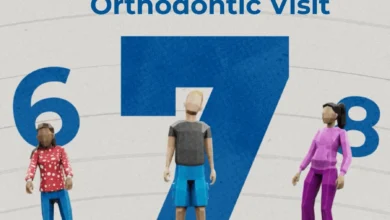
The Rationale for Early Orthodontic Assessment: The "Age 7" Guideline
The recommendation for an orthodontic check-up by age seven is rooted in a deep understanding of pediatric dental development. By this age, children typically possess a mix of primary (baby) and permanent teeth, including the first molars and incisors, which are pivotal in establishing the foundational bite. This mixed dentition stage provides an orthodontist with a crucial window to identify nascent problems that might not be evident to a parent or even a general dentist. Issues such as crossbites, severe crowding, deep bites, open bites, significant jaw discrepancies, or habits like thumb-sucking that affect tooth and jaw development can be detected. While not every child evaluated at seven will require immediate orthodontic intervention, this early assessment allows for timely diagnosis and monitoring, ensuring that any emerging issues can be addressed at the most opportune moment. Ignoring early signs of malocclusion can lead to a cascade of problems, including speech impediments, difficulty chewing, increased susceptibility to dental trauma, abnormal wear of tooth surfaces, and potential psychological impacts due due to aesthetic concerns.
- The Shifting Paradigm in Orthodontic Care
Orthodontics has evolved significantly over the past century. Historically, orthodontic treatment was predominantly focused on adolescents, often involving tooth extractions and extensive bracing to align teeth once all permanent dentition had erupted. However, advancements in diagnostic tools and a deeper understanding of craniofacial growth dynamics led to the recognition that certain conditions are far more amenable to correction during periods of active growth. This paradigm shift, often termed "interceptive orthodontics" or "Phase One," emerged in the mid-20th century, with practitioners realizing the potential to influence jaw development and guide tooth eruption, thereby preventing more severe problems from developing or simplifying later comprehensive treatment. The AAO formalized its recommendation for early evaluation to standardize this proactive approach, emphasizing that early detection is key to leveraging a child’s natural growth processes for therapeutic benefit.
Defining Two-Phase Orthodontic Treatment: A Staged Intervention
Two-phase orthodontic treatment is systematically divided into two distinct periods: Phase One, also known as early or interceptive treatment, and Phase Two, which constitutes comprehensive treatment. Phase One typically commences when a child is in the mixed dentition stage, possessing both primary and permanent teeth, generally between the ages of 7 and 10. Phase Two, conversely, usually begins later, once the majority, if not all, of the permanent teeth have erupted, typically around ages 11 to 14.
- Phase One: Interceptive Foundations
Phase One treatment is primarily focused on interventions designed to promote proper jaw growth, create adequate space for the eruption of permanent teeth, and minimize the complexity of future orthodontic needs. The goal is not to achieve perfect alignment but to establish a more favorable environment for dental and jaw development. Common treatments utilized during this foundational phase include:
- Palate Expanders: These devices, either fixed or removable, are used to widen a narrow upper jaw. A narrow palate can lead to crossbites (where upper teeth bite inside lower teeth), crowding, or breathing issues. By gently expanding the jaw during a period of active growth, orthodontists can correct crossbites and create crucial space for erupting permanent teeth, thereby reducing the likelihood of extractions later. Palate expanders typically exert slow, continuous pressure over several weeks or months.
- Tongue Cribs or Lingual Arches: These appliances are employed to address detrimental oral habits such as thumb-sucking or tongue thrusting, which can significantly impact jaw development and tooth positioning. A tongue crib, for instance, discourages the tongue from pushing against the front teeth, helping to correct or prevent open bites. Lingual arches can maintain space for erupting teeth or prevent existing molars from drifting forward.
- Partial Braces: In some cases, a limited number of braces may be applied to specific permanent teeth to correct severe tipping, rotation, or to facilitate the eruption of impacted teeth. This localized bracing can create space, guide teeth into their correct positions, or prepare the arch for subsequent full-arch treatment.
- Headgear or Facemasks: Less common but still vital for certain skeletal discrepancies, these external appliances can influence jaw growth, correcting severe underbites or overbites by guiding the growth of the upper or lower jaw.
A helpful analogy for Phase One treatment is likening it to the foundational work or scaffolding around a new building. By guiding a child’s developing jaw structure, it effectively reduces the severity of existing or anticipated malocclusions. This preparatory work lays a robust foundation, enabling Phase Two to build upon the initial corrections, further refining the bite and achieving precise tooth alignment.
- The Critical Resting Period
Following the completion of Phase One, most children enter a crucial "resting period" or "observation phase," which typically lasts for several months to a few years. This inter-phase period is not an absence of care but a strategic pause that allows the jaw and teeth to continue their natural growth and development. It provides time for the remaining permanent teeth to erupt into the newly created space or improved environment. During this interval, the orthodontist closely monitors the child’s dental development, evaluating how the changes achieved in Phase One are being maintained and planning the optimal timing and specific objectives for Phase Two. Regular check-ins during this resting period are common, offering reassurance to families and allowing the orthodontist to remain actively involved in overseeing the child’s ongoing growth and tooth eruption.
- Phase Two: Comprehensive Refinement
Phase Two typically commences once most or all of the permanent teeth have erupted, usually in early adolescence. While Phase One establishes a healthier developmental environment, Phase Two concentrates on the precise positioning of all permanent teeth to achieve strong function, an ideal bite, and an aesthetically pleasing smile. This phase often embodies what many people envision as "traditional" orthodontics. It commonly involves the application of full braces—either metal, ceramic, or self-ligating—or clear aligners. These appliances work systematically to straighten teeth, close any remaining gaps, correct any residual bite discrepancies, and ensure that the teeth and jaws fit together harmoniously. The goal of Phase Two is comprehensive aesthetic and functional perfection, building directly upon the groundwork laid during Phase One to achieve a stable and healthy long-term outcome.
Identifying Ideal Candidates for Two-Phase Treatment: Functional Imperatives
Two-phase orthodontic treatment is specifically designed for children, but it is not a universal requirement. A significant number of orthodontic problems can be effectively resolved in a single phase of comprehensive treatment. When an orthodontist recommends a two-phase approach, it signifies a clinical determination that early intervention is critical to support the development of a healthy, functional bite as the child matures. This decision is typically made when early growth guidance can address specific, significant concerns that would be more challenging, less stable, or impossible to correct later.
Conditions that frequently warrant consideration for two-phase treatment include:
- Significant Jaw Development Differences (Skeletal Malocclusions): Such as severe overbites (Class II malocclusion), underbites (Class III malocclusion), or deep crossbites. These issues often have a strong genetic component and involve an imbalance in the growth of the upper and lower jaws. Influencing this growth early can prevent the need for more invasive procedures, like orthognathic surgery, in adulthood.
- Severe Crowding: When there is a significant lack of space for permanent teeth to erupt, leading to impaction or severe misalignment. Early expansion or space maintenance can create the necessary room, potentially avoiding future tooth extractions.
- Eruption Issues: Problems where permanent teeth are erupting incorrectly, are blocked, or are impacted. Early intervention can guide these teeth into their proper positions.
- Traumatic Bites: When teeth are biting in a way that causes damage to other teeth, the gums, or the jaw joints. This can include severe deep bites where lower incisors bite into the gum tissue behind the upper incisors.
- Harmful Oral Habits: Persistent thumb-sucking, finger-sucking, or tongue thrusting that is actively causing significant dental or skeletal changes.
- Dental Trauma Risk: Protruding upper front teeth (severe overjet) are significantly more susceptible to fractures or avulsion in active children. Reducing this protrusion early can dramatically lower the risk of injury.
The primary objective in Phase One is not cosmetic perfection, but rather to "set the stage" for healthier development. The bottom line for parents is that two-phase treatment is usually considered only when an orthodontist determines that a child is likely to develop a severe malocclusion or jaw problem, or faces a high risk of damage to permanent teeth, and that Phase One treatment has a high probability of reducing the severity of these issues and mitigating future risks.
- Beyond Aesthetics: Functional Imperatives
It is crucial for parents to understand that the initial phase of two-phase treatment is driven by functional and health imperatives, not solely by aesthetic desires. While an improved appearance can be a positive side effect, the core motivations are to:
- Improve chewing efficiency and digestion.
- Facilitate clearer speech by correcting misaligned teeth or jaw positions.
- Protect teeth from abnormal wear, fractures, or damage.
- Prevent gum tissue damage caused by malocclusion.
- Guide proper jaw development to achieve a balanced facial profile.
- Eliminate harmful habits.
- Reduce the complexity, duration, and potential cost of Phase Two treatment.
The Science Behind Early Intervention: Supporting Data and Clinical Evidence
The efficacy of two-phase orthodontic treatment, particularly for specific types of malocclusions, is supported by decades of clinical research and observational studies. For instance, studies on severe Class II malocclusions (overbites) have shown that early orthopedic intervention using appliances like headgear or functional appliances can modify jaw growth and reduce the severity of the skeletal discrepancy, making later orthodontic treatment more predictable and potentially avoiding orthognathic surgery. Similarly, early treatment of posterior crossbites with palate expanders has demonstrated high success rates in correcting the crossbite and preventing the development of facial asymmetry. A 2013 study published in the American Journal of Orthodontics and Dentofacial Orthopedics found that early treatment for Class II malocclusion significantly reduced the incidence of incisor trauma.
Data from organizations like the Centers for Disease Control and Prevention (CDC) indicate that malocclusions are highly prevalent among children and adolescents, with varying degrees of severity. Untreated malocclusions can lead to a host of problems, including chronic jaw pain, headaches, difficulty maintaining oral hygiene due to crowded teeth, and an increased risk of periodontal disease. The economic implications are also noteworthy; while initial costs are incurred, early intervention can often reduce the overall treatment time and complexity of Phase Two, potentially leading to lower overall expenses and a more stable, long-lasting result compared to treating severe issues in adulthood.
- Addressing Jaw Discrepancies and Malocclusions
Specific conditions benefit immensely from early intervention:
- Anterior Crossbites: Where one or more upper front teeth bite behind the lower front teeth. If left untreated, this can cause excessive wear on the affected teeth, gum recession, and even damage to the jaw joint. Early correction can prevent these complications.
- Open Bites: A lack of vertical overlap between the upper and lower front teeth when the back teeth are biting together. Often associated with thumb-sucking or tongue thrusting, early intervention can break the habit and allow the bite to close naturally.
- Protrusive Incisors (Overjet): Upper front teeth that stick out significantly. Beyond aesthetics, these teeth are highly vulnerable to accidental trauma, especially in active children. Early reduction of overjet has been shown to reduce the risk of dental injury.
- Long-Term Benefits and Risk Reduction
The overarching goal of two-phase treatment is to create a healthier, more stable oral environment. This translates to several long-term benefits:
- Reduced Need for Extractions: By creating space early, the need to extract permanent teeth for crowding in Phase Two can often be avoided.
- Improved Facial Harmony: Guiding jaw growth can lead to a more balanced and harmonious facial profile.
- Enhanced Stability: A well-aligned bite and jaws are more stable over time, reducing the likelihood of relapse.
- Psychological Benefits: Addressing dental irregularities early can boost a child’s self-esteem and confidence during crucial developmental years.
The Orthodontist’s Role and Parental Engagement: A Coordinated Approach to Care
The decision to embark on two-phase orthodontic treatment requires a collaborative effort between the orthodontist and the child’s parents. It begins with a thorough diagnostic evaluation, including clinical examination, dental models, and often X-rays, to assess the child’s unique growth pattern and dental development. The orthodontist will then present a detailed treatment plan, explaining the specific goals of each phase, the proposed appliances, the expected duration, and the anticipated outcomes.
- A Coordinated Approach to Care
For parents, it is vital that two-phase orthodontic treatment feels like a cohesive, coordinated plan rather than two disparate treatment experiences. During consultations, parents should ask their child’s orthodontist specific questions:
- "How does Phase One directly support and simplify Phase Two?"
- "What are the precise changes you aim to achieve in Phase One, and what do you expect to address later in Phase Two?"
- "What does ‘success’ look like after Phase One?" (Often, success is defined by creating space, improving a bite relationship, or reducing the severity of a problem, making Phase Two simpler and more predictable, not necessarily a perfectly straight smile).
Strong answers will invariably link the timing of interventions and the choice of treatment options back to the child’s individual growth patterns, the health of their bite, and the prospect of long-term stability. This transparent communication helps parents understand the value proposition of early intervention and their role in ensuring compliance with treatment protocols.
Navigating the Orthodontic Journey: What Parents Should Know
For parents considering orthodontic treatment for their child, understanding the process and asking informed questions is paramount. The American Association of Orthodontists strongly advocates for a child’s first orthodontic check-up no later than age seven. This early evaluation is crucial because by this age, enough permanent teeth have typically erupted for an orthodontist to accurately identify developing issues with jaw growth and bite alignment, even if these problems are not immediately apparent to the untrained eye. It is important to note that a referral from a general dentist is not a prerequisite to schedule an appointment with an orthodontist; parents can directly book an evaluation for their child.
The choice of an orthodontist is also critical. An AAO-certified orthodontist has undergone extensive specialized training beyond dental school, focusing specifically on diagnosing, preventing, and treating dental and facial irregularities. Their expertise ensures that treatment recommendations are based on sound clinical judgment and the latest scientific evidence.
Conclusion
Two-phase orthodontic treatment stands as a powerful and highly effective option for children facing specific developmental dental and jaw issues. When applied judiciously, early intervention can guide healthier growth, establish a more functional bite, and significantly reduce the complexity and potential invasiveness of future treatments. However, it is not a one-size-fits-all solution, and not every child requires this staged approach. The expertise of an AAO-certified orthodontist is invaluable in evaluating a child’s unique dental and skeletal development, explaining whether a single-phase or two-phase treatment plan is most appropriate, and recommending the optimal timing based on individual developmental milestones rather than mere guesswork. By leveraging tools like the AAO’s "Find an Orthodontist" locator, parents can connect with qualified professionals who can provide a comprehensive evaluation and chart the best course toward a lifetime of healthy, functional, and confident smiles for their children.