
Category Soup And Chili
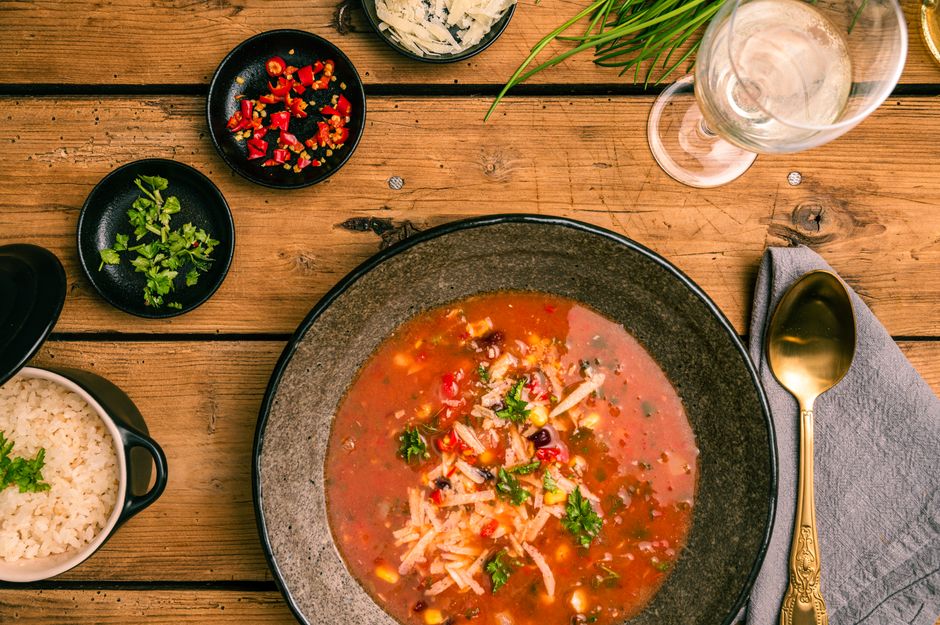
Category Soup and Chili: A Culinary Deep Dive
Category soup and chili represent two of the most enduring and versatile categories within the vast landscape of comfort food. While often discussed in the same breath due to their hearty, stew-like nature, they possess distinct characteristics, ingredient profiles, and culinary traditions that set them apart. Understanding these differences, as well as the vast subcategories and regional variations within each, is crucial for both home cooks and culinary enthusiasts seeking to explore the full spectrum of these beloved dishes. This article aims to dissect the essence of category soup and chili, examining their core components, popular iterations, and the factors that contribute to their enduring appeal.
At its most fundamental, soup is a liquid food, generally served warm or hot, that is made by combining ingredients of meat or vegetables with stock, milk, or water. The defining characteristic of soup is its liquidity, which can range from thin and brothy to thick and creamy. Chili, on the other hand, is a stew characterized by its primary ingredient of chili peppers, alongside meat (typically beef or pork), beans (though their inclusion is a point of contention for purists), and a rich, often spicy, tomato-based sauce. The fundamental difference lies in the emphasis: soup prioritizes the broth and the ingredients suspended within it, while chili centers on the deep, complex flavors derived from chili peppers and the robust, textured elements.
Within the broad category of soup, a staggering array of subcategories exists, driven by geographical origin, dominant ingredients, and preparation methods. Broth-based soups, the most elemental form, rely on a flavorful liquid base derived from simmering bones, vegetables, or aromatics. Examples include chicken noodle soup, a universally recognized comfort food, and consommé, a clear, intensely flavored broth often served as an appetizer. Cream soups represent another significant subcategory, where a thickener, typically a roux (butter and flour cooked together), or pureed vegetables, is incorporated to achieve a rich, velvety texture. Bisques, a specialized type of cream soup, traditionally features shellfish and is enriched with cream and sometimes a touch of brandy. Potage, a French term encompassing hearty, thick soups often made with pureed vegetables and sometimes grains, further illustrates the diversity within this category. Minestrone, a classic Italian vegetable soup, exemplifies the "hearty and chunky" style of soup, packed with a variety of vegetables, pasta, and beans, often served with a side of crusty bread. French Onion Soup, with its caramelized onions and bubbling Gruyère cheese topping, highlights a more specific flavor profile and presentation.
The chili category, while seemingly more narrowly defined by its namesake ingredient, also boasts remarkable diversity, largely dictated by regional influences and ingredient choices. Tex-Mex chili, often referred to as "bowl o’ red," is the quintessential American chili, traditionally made with cubed or ground beef, chili powder, cumin, oregano, and a robust tomato base, without beans. The emphasis here is on a deep, smoky, and spicy flavor profile. Cincinnati chili offers a unique twist, characterized by its thin, gravy-like consistency and a complex spice blend that includes cinnamon, cloves, and allspice, typically served over spaghetti ("two-way"), with cheese ("three-way"), onions ("four-way"), or chili beans ("five-way"). New Mexico chili, true to its name, heavily features Hatch chiles, resulting in a distinct green or red chili sauce that is both flavorful and moderately spicy, often incorporating pork or beef. Vegetarian chili, a growing and increasingly sophisticated subcategory, utilizes a medley of beans, vegetables, and meat substitutes to create a hearty and flavorful dish that appeals to a broader audience. The inclusion or exclusion of beans in chili remains a passionate debate among enthusiasts, with some arguing that beans dilute the true essence of chili, while others embrace their textural contribution and added nutritional value.
The ingredient selection is paramount in defining the character of both category soup and chili. For soups, the foundational element is the liquid: water, vegetable stock, chicken stock, beef stock, fish stock, or even dairy products like milk and cream. The quality and flavor of this liquid will directly impact the final dish. Aromatics, such as onions, garlic, celery, and leeks, are essential for building a complex flavor base. The vegetables chosen will dictate the soup’s texture and nutritional profile, ranging from delicate leafy greens to robust root vegetables. Proteins, whether they be chicken, beef, lamb, fish, or legumes, add substance and flavor. Grains and starches, such as pasta, rice, barley, and potatoes, contribute to the heartiness and satiety of many soups. Herbs and spices provide the finishing touches, adding layers of aroma and taste.
In chili, the chili pepper reigns supreme. The type and quantity of chili peppers used will determine the heat level and the underlying flavor notes, from the mild, smoky ancho and pasilla to the fiery habanero and ghost pepper. Ground beef is the traditional protein, but cubed beef, pork, or even venison are also common. The debate over beans, as mentioned, is a significant ingredient consideration. Tomatoes, in various forms (crushed, diced, paste), provide acidity and a rich base for the sauce. The spice blend, typically featuring chili powder, cumin, oregano, and garlic powder, is crucial for developing the characteristic chili flavor. Some recipes might also incorporate ingredients like cocoa powder or dark chocolate to add depth and complexity, a technique often found in mole-inspired chilis.
The preparation methods for category soup and chili are as varied as their ingredients. Soups can be simmered for extended periods, allowing flavors to meld and deepen, as is common with hearty stews and broths. Quick soups, on the other hand, can be prepared in under an hour, utilizing pre-cooked ingredients or faster cooking methods. Pureeing is a common technique for creating smooth and creamy soups, while chunky soups emphasize the texture of whole or diced ingredients. Chili preparation typically involves browning the meat, sautéing aromatics, adding the spices and liquids, and then simmering for a significant amount of time to allow the flavors to develop and the chili to thicken. Slow cookers and pressure cookers have become popular modern tools for preparing chili, offering convenience and consistent results.
The cultural significance and widespread appeal of category soup and chili cannot be overstated. They are culinary touchstones, evoking feelings of warmth, comfort, and nostalgia. In many cultures, they are considered staple dishes, enjoyed year-round but particularly prevalent during colder months. Soups are often associated with illness and recovery, offering a gentle and nourishing way to soothe the body. Chili, with its bold flavors and satisfying heartiness, is a perennial favorite for gatherings, tailgates, and casual meals. The adaptability of both categories allows for endless customization, making them accessible to a wide range of dietary preferences and culinary skill levels. Vegetarian and vegan adaptations of both soup and chili are increasingly sophisticated, ensuring that these beloved dishes remain inclusive.
SEO considerations for content surrounding category soup and chili would involve targeting keywords such as "best soup recipes," "easy chili recipes," "comfort food," "hearty stews," "regional chili variations" (e.g., "Cincinnati chili recipe," "Texas chili recipe"), "vegetarian soup," "vegan chili," "quick soup ideas," and "how to make chili from scratch." The use of long-tail keywords, such as "slow cooker beef chili with beans" or "creamy chicken noodle soup from scratch," can attract highly engaged users. High-quality images of both soups and chilis, along with clear, concise recipe instructions and ingredient lists, are essential for user engagement and shareability. Internal linking to other relevant articles on the website, such as those focusing on specific ingredients or cooking techniques, will also enhance SEO performance. External linking to reputable culinary resources can further bolster the article’s authority. The creation of structured data, such as recipe schema, can help search engines better understand and display the content. By providing comprehensive and well-organized information on the diverse world of category soup and chili, this article aims to serve as a valuable resource for anyone seeking to explore these iconic culinary creations.
