DEXIS Unveils Sweeping Ecosystem Upgrades to Transform Orthodontic and Dental Imaging Workflows

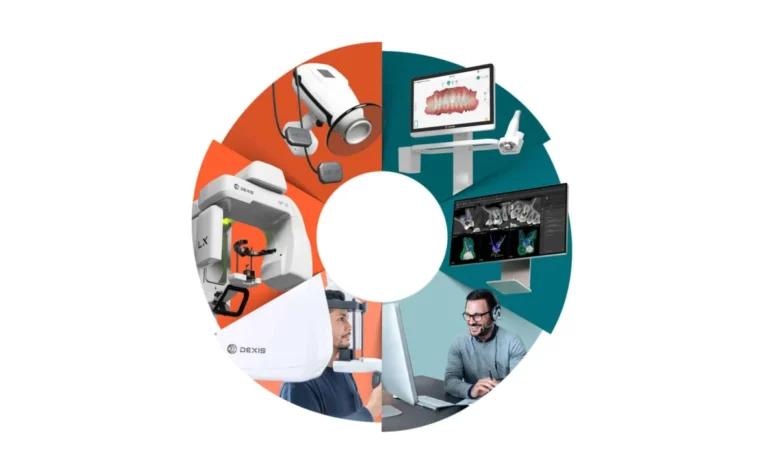
The digital dentistry landscape underwent a significant shift on September 23, 2026, as DEXIS, a global leader in dental imaging and diagnostics, utilized its ILLUMINATE virtual keynote to announce a comprehensive suite of updates designed to bridge the gap between hardware performance and software intelligence. The rollout covers an expansive range of clinical touchpoints, including CBCT imaging, intraoral scanning, cloud-based data management, and flexible acquisition models. By addressing common pain points such as patient motion, complex anatomical access, and restrictive closed-loop systems, DEXIS is positioning its connected ecosystem as a foundational element for modern orthodontic and general dental practices.
The announcement represents the culmination of a multi-year development strategy aimed at refining the "connected workflow." According to company leadership, the initiative is not merely about launching new hardware but about integrating intelligence into existing clinical routines to drive efficiency. Among the most notable hardware and software additions are the NOMAD Pro 3 handheld X-ray system, the introduction of a sophisticated Motion Correction algorithm for the OP 3D LX and EX CBCT units, the SEAT Protocol for implant workflows, and a refined slim-tip design for the Imprevo intraoral scanner. Furthermore, the expansion of the DEXIS IOS Cloud and the pilot of a Hardware-as-a-Service (HaaS) subscription model for the Ti2 sensor suggest a long-term shift in how dental practices will manage capital expenditures and technology lifecycles.
A Chronology of Digital Transformation
The path to this September announcement began in the early 2020s, as the dental industry grappled with the rapid digitization of patient records and the increasing demand for high-fidelity 3D imaging. Historically, orthodontic practices faced significant friction when integrating hardware from one manufacturer with software from another. DEXIS, recognizing the industry’s shift toward "open" architecture, began realigning its portfolio to prioritize interoperability.
The timeline of this specific rollout followed an intense period of beta testing and user feedback loops. By mid-2025, feedback from orthodontic specialists consistently highlighted two primary technical hurdles: motion artifacts in CBCT scans, which necessitated repeat imaging, and the physical difficulty of maneuvering scanners in the posterior regions of adolescent patients with limited mandibular opening. The September 2026 keynote addressed these specific inputs, showcasing a clear, evidence-based development cycle that prioritizes clinician-identified constraints.
Addressing the Motion Artifact Dilemma in CBCT Imaging
Perhaps the most technically significant update for the orthodontic community is the Motion Correction feature for the ORTHOPANTOMOGRAPH OP 3D LX and EX. In clinical practice, patient movement—even at a microscopic level—can create "ghosting" or blurring in a volumetric scan, rendering diagnostic assessments unreliable. This is particularly prevalent in pediatric orthodontics, where maintaining a static posture for the duration of a scan can be a challenge.
Robert Befidi, President of DEXIS, emphasized that this feature is a direct response to real-world clinical environments. "Patient movement is one of the most common challenges in CBCT imaging," Befidi noted during his interview with Orthodontic Products. "We focused on the real-world situations clinicians encounter every day, particularly when working with younger patients, patients who are anxious, or anyone who may have difficulty remaining completely still."
Importantly, this enhancement is being delivered via a firmware/software update rather than a requirement for new hardware. This approach is a strategic move to extend the lifespan of existing capital investments for practitioners. While the software utilizes advanced algorithms to mitigate motion, experts in the field suggest that it should be viewed as a safety net rather than a substitute for proper patient stabilization. As AI-driven diagnostic tools become more prevalent—relying on precise 3D segmentation for treatment planning—the quality of the raw data input becomes paramount, making this motion-correction capability a critical safeguard for the accuracy of downstream digital planning.
Enhancing Intraoral Access with the Slim-Tip Design
Intraoral scanning is the backbone of modern orthodontic practice, fueling everything from clear aligner therapy to indirect bonding. However, the physical geometry of scanner tips has historically posed a limitation. The introduction of the new slim tip for the DEXIS Imprevo scanner is designed to navigate the tight corridors of a patient’s mouth with greater ease.
For an orthodontist, the ability to maneuver in restricted spaces is not merely a matter of comfort; it is a matter of data integrity. When a scanner tip is too bulky, clinicians often struggle to capture distal surfaces of second molars or the gingival margins in narrow arches. This often leads to incomplete scans, necessitating multiple attempts or "rescans," which disrupts the clinical flow and increases chair time. By streamlining the hardware, DEXIS aims to reduce these bottlenecks, allowing for more consistent, high-quality digital impressions on the first pass.
Cloud Collaboration and the Open Ecosystem Mandate
The shift toward "DEXIS IOS Cloud"—formerly known as IS Connect—marks the company’s commitment to a more open, cloud-first infrastructure. In the current dental ecosystem, a single patient’s data might need to travel from a scanner to a cloud platform, then to a third-party laboratory for aligner fabrication, and finally to a practice management system.
The expanded integration with 3Shape, along with connections to Asiga and SmileGrid, illustrates the company’s pivot toward an "open ecosystem." For practitioners, this translates to the ability to maintain their preferred workflow without being tethered to a single proprietary environment. This flexibility is a key differentiator in a market increasingly wary of "vendor lock-in." By allowing data to move seamlessly between systems, DEXIS is addressing the operational reality of the modern practice, which often utilizes a "best-in-breed" approach to software and hardware selection.
The Financial Shift: Hardware-as-a-Service
The introduction of the Hardware-as-a-Service (HaaS) model for the DEXIS Ti2 sensor represents a broader trend in the professional medical equipment market. Historically, the purchase of dental imaging equipment was treated as a large capital expenditure (CapEx), often requiring significant upfront financing and long-term maintenance contracts.
Under the new subscription-based model, the cost shifts to an operational expense (OpEx). This provides practices with more predictable monthly cash flow and allows for easier upgrades as technology evolves. While the Ti2 sensor is the initial pilot for this program, industry analysts anticipate that this model will eventually be applied to more complex hardware like the OP 3D units. This transition could lower the barrier to entry for smaller practices looking to modernize their technology without the daunting initial investment, effectively democratizing access to high-end diagnostic tools.
Implications for the Future of Orthodontic Practice
The implications of the September 2026 updates are far-reaching. By focusing on connectivity, DEXIS is acknowledging that the future of orthodontics lies in the integration of data. As the field moves toward more AI-assisted diagnostics—where software can automatically segment teeth, detect caries, or simulate treatment outcomes—the hardware used to capture that data must be increasingly reliable and easy to use.
Furthermore, the emphasis on a "connected approach" suggests that the next phase of dental innovation will not necessarily be the invention of new imaging modalities, but rather the perfection of the workflow between existing ones. The ability for an orthodontist to trust their CBCT motion-correction software, use a slim-tip scanner to capture difficult anatomy, and share that data effortlessly via the cloud to a partner lab represents a major leap in operational efficiency.
As clinicians evaluate these new tools, the primary focus will likely remain on clinical efficacy and the ability to reduce patient chair time. With the integration of AI-driven diagnostics and the move toward more flexible hardware ownership models, DEXIS is signaling to the market that it is prepared to support the modern practice through both technical excellence and financial adaptability. Whether these tools will become the new industry standard depends on widespread adoption, but the foundation laid during the ILLUMINATE keynote suggests a clear, data-centric direction for the next several years of dental care.