Navigating Retainer Fit Issues: Expert Guidance from the American Association of Orthodontists on Safety, Teeth Shifting, and Professional Evaluations

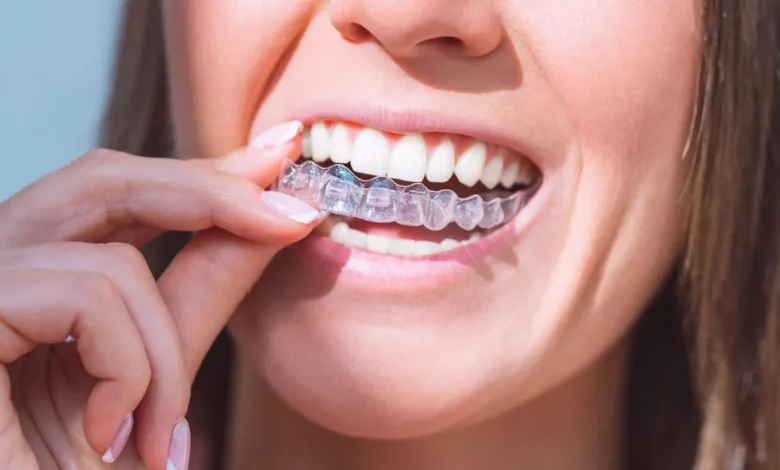
When a dental retainer stops fitting comfortably, patients often face a critical crossroads in maintaining their oral health and the financial investment of their previous orthodontic care. According to recent clinical advisories issued by the American Association of Orthodontists (AAO), a retainer that no longer fits properly—or one that causes unexpected pain—demands immediate professional evaluation rather than at-home guesswork. Orthodontic specialists emphasize that a retainer is a precision medical appliance meticulously tailored to a specific dental alignment at a precise moment in time. Consequently, when alterations occur in either the teeth or the appliance itself, attempting to force the retainer back into place can lead to severe structural damage to the device, unintended damage to the periodontium, and prolonged patient discomfort.
To understand why retainers undergo these sudden or gradual shifts in fit, dental professionals look at both biological and environmental factors. Biologically, the human jaw and teeth are dynamic structures subject to lifelong, subtle movements. Without consistent retention protocols—prescribed immediately following the removal of braces or clear aligners—teeth naturally tend to migrate back toward their original positions, a phenomenon known in dental medicine as orthodontic relapse. Environmentally, removable retainers, particularly those constructed from thin, thermoformed medical-grade plastics, are highly susceptible to mechanical wear, fractures, and thermal distortion. Exposure to high temperatures, such as immersion in hot water or being left in a sun-drenched vehicle, can cause the polymer matrix of a plastic retainer to warp, permanently altering its dimensions and rendering it incapable of seating correctly over the dental arch.
The timeline of orthodontic retention typically spans a lifetime, though the frequency of wear often transitions from full-time use immediately post-treatment to nightly maintenance over subsequent years. Clinical data compiled by orthodontic boards indicate that patient compliance with retainer wear significantly drops off after the first eighteen months post-treatment, correlating with a notable surge in reports of tight or ill-fitting retainers. When patients rediscover an old appliance after weeks, months, or years of non-compliance, they frequently encounter substantial resistance upon re-insertion. Orthodontic researchers stress a vital clinical distinction: while a mild, temporary snugness resulting from a missed night of wear is common and generally resolves with consistent use, a retainer that stops partway, creates localized pressure points, or requires brute force to seat indicates a significant discrepancy between the current tooth position and the appliance geometry.
Statements released by the AAO explicitly caution against the dangerous misconception that using brute force to seat an old retainer acts as a valid DIY straightening method. Forcing a misaligned appliance onto shifted teeth places unnatural mechanical stress on the periodontal ligaments, roots, and alveolar bone. Furthermore, this aggressive manipulation frequently cracks clear plastic, bends delicate labial wires, or strips acrylic bases. Orthodontists point out that pain is never an intended therapeutic outcome of standard retention; rather, significant pain or restricted seating serves as a clinical warning sign to halt use immediately. When a patient attempts to self-correct a relapse by forcing an outdated retainer, they risk inducing root resorption, localized gum recession, or bite malocclusion that may require entirely new phases of active orthodontic intervention, such as comprehensive braces or secondary rounds of clear aligners.
In response to these pervasive clinical challenges, modern orthodontic practices have streamlined the evaluation process for patients experiencing retention failures. During a standard retainer check, an orthodontist conducts a comprehensive examination of the dental arches, evaluates the patient’s centric occlusion, and inspects the physical integrity of the existing appliance. If the appliance is merely warped due to minor environmental factors but the teeth remain in their correct alignment, the clinician may fabricate a replacement using updated digital scans or physical impressions. Conversely, if significant dental migration has occurred, the diagnostic evaluation maps out the precise magnitude of the shift. Based on these findings, the specialist can recommend customized treatment pathways, which may range from localized appliance adjustments and active tooth guidance to limited alignment therapies designed to safely restore the patient’s intended smile profile.
Beyond immediate troubleshooting, the broader implications of proper retainer maintenance extend into preventative healthcare economics and long-term patient satisfaction. Orthodontic treatments represent a significant commitment of both time and financial resources for patients and their families. Failing to prioritize retainer hygiene, safe storage—such as consistently utilizing rigid protective cases rather than wrapping appliances in napkins where they are easily discarded—and timely professional consultations can lead to costly corrective procedures down the line. Public health messaging from dental organizations increasingly emphasizes patient education regarding the delicate nature of orthodontic retainers. By dispelling myths surrounding the "do-it-yourself" readjustment of old appliances and fostering open communication lines between patients and certified AAO orthodontists, the medical community aims to protect patients from avoidable dental injuries while preserving the functional and aesthetic achievements of primary orthodontic care.