
Tag Mac And Cheese
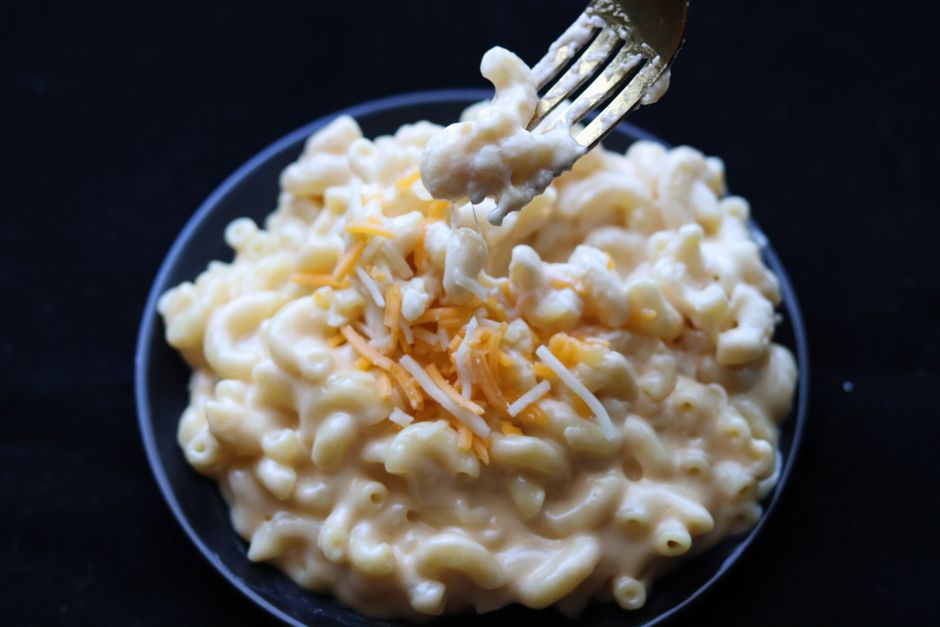
The Ultimate Guide to Tag Mac and Cheese: Flavor, Techniques, and Variations
Tag mac and cheese, a deceptively simple yet profoundly satisfying dish, elevates the humble macaroni and cheese to an art form through the strategic incorporation of "tag" ingredients – those bold, distinct flavors that impart a signature profile and elevate the cheesy goodness. This isn’t your grandmother’s stovetop casserole; it’s a culinary canvas where creaminess meets complexity, and a standard comfort food becomes a gourmet experience. Understanding the nuances of selecting and integrating these tag flavors, mastering the foundational techniques of mac and cheese preparation, and exploring the vast landscape of potential variations are key to unlocking the full potential of this beloved dish. At its core, tag mac and cheese is about enhancing the inherent appeal of melted cheese and tender pasta with a carefully chosen accent that provides depth, character, and an unforgettable taste.
The foundation of any great tag mac and cheese lies in its creamy, cohesive sauce. This typically involves a béchamel base, also known as a white sauce, which provides a smooth, emulsified canvas for the cheese. The process begins with a roux, a mixture of equal parts fat (usually butter) and flour, cooked together. The ratio of butter to flour determines the thickness of the béchamel; a common starting point is a 1:1 ratio by weight. Gently melting butter in a saucepan over medium heat and whisking in flour until a smooth paste forms is crucial. The roux is then cooked for a short period to eliminate the raw flour taste, typically for 1-2 minutes, without allowing it to brown significantly for a classic béchamel. The next step involves gradually whisking in cold or warm milk. Starting with a small amount and whisking until fully incorporated before adding more ensures a lump-free sauce. As the milk is added and the sauce heats, it will thicken, coating the back of a spoon with a velvety consistency. This is the moment where the tag flavor truly begins to integrate.
Selecting the right tag ingredient is paramount. The "tag" in tag mac and cheese refers to a distinct flavor profile that cuts through or complements the richness of the cheese and pasta. Think of it as the signature note in a complex perfume. Common and highly effective tag ingredients include: smoked paprika, which imparts a smoky, slightly sweet, and earthy depth; Dijon mustard, offering a pungent tang and subtle spice that cuts through fat beautifully; roasted garlic, providing a mellow, sweet, and nutty complexity; caramelized onions, delivering a deep sweetness and umami; or even a dash of hot sauce like Sriracha or Tabasco for a spicy kick. The key is to use these ingredients judiciously. Too little, and their impact will be lost; too much, and they can overpower the cheese and pasta. Often, these tag ingredients are incorporated into the béchamel sauce itself, allowing their flavors to meld and infuse the entire dish. For example, whisking in a tablespoon or two of Dijon mustard and a teaspoon of smoked paprika into the thickening béchamel creates an immediate flavor boost. Roasted garlic cloves can be mashed and stirred in, or finely minced and sautéed before adding to the sauce. Caramelized onions are usually cooked separately and then folded into the sauce and cheese mixture.
The cheese blend is equally critical. While a single cheese can work, a combination offers superior flavor and texture. A good mac and cheese base often includes a sharp cheddar for its robust flavor, a Gruyère for its nutty sweetness and excellent melting properties, and perhaps a touch of Monterey Jack or Fontina for creaminess and mildness. When introducing a tag flavor, consider how it will interact with the chosen cheeses. For instance, smoked paprika pairs exceptionally well with sharp cheddar and a smoky Gouda. Roasted garlic is a natural partner for creamy Fontina and mozzarella. Dijon mustard is a classic complement to Gruyère and sharp cheddar. The goal is harmony, where the tag flavor enhances, rather than competes with, the cheese profile. Grating your own cheese from blocks is highly recommended; pre-shredded cheeses often contain anti-caking agents that can affect the smoothness of the sauce.
Cooking techniques for the pasta also influence the final outcome. Elbow macaroni is the traditional choice, but other shapes like cavatappi, penne, or shells also work well, providing nooks and crannies to hold the sauce. Cook the pasta slightly less than al dente (about 1-2 minutes shy of package directions) before combining it with the sauce. The pasta will continue to cook in the hot sauce and potentially in the oven if baking, preventing it from becoming mushy. Drain the pasta thoroughly but do not rinse it; the starch on the pasta surface helps the sauce adhere.
For a baked tag mac and cheese, the layering and topping are essential. After combining the cooked pasta with the cheese sauce, the mixture can be transferred to a baking dish. A breadcrumb topping adds a delightful textural contrast. A common topping involves a mixture of panko breadcrumbs, melted butter, and perhaps a pinch of Parmesan cheese and a sprinkle of the chosen tag spice (e.g., more smoked paprika). This topping browns beautifully in the oven, providing a crispy counterpoint to the creamy interior. Baking is typically done at a moderate temperature, around 375-400°F (190-200°C), until the top is golden brown and the sauce is bubbling.
Exploring tag mac and cheese variations opens up a world of culinary possibilities. Here are a few prominent examples and their defining tag ingredients and considerations:
Smoked Paprika and Chorizo Tag Mac and Cheese: This variation leans into smoky, spicy, and savory notes. The tag ingredient here is a generous amount of smoked paprika, often a mix of sweet and hot smoked paprika, combined with sautéed crumbled chorizo sausage. The rendered fat from the chorizo can even be used to start the roux, infusing the sauce from the outset. A blend of sharp cheddar, Monterey Jack, and a touch of Manchego cheese would complement the Spanish-inspired flavors beautifully. A topping of toasted breadcrumbs mixed with extra smoked paprika and finely diced cooked chorizo offers a textural and flavor crescendo.
Roasted Garlic and Gruyère Tag Mac and Cheese: This is a more nuanced and sophisticated take. The tag element is slow-roasted garlic, which yields a mellow, sweet, and intensely flavorful paste. The Gruyère cheese provides a nutty, complex base, often paired with a sharp cheddar for backbone. The béchamel is infused with mashed roasted garlic cloves. A hint of fresh thyme or a sprinkle of nutmeg can further enhance the aromatic qualities. For a baked version, a topping of Gruyère cheese and a light dusting of panko breadcrumbs is sufficient to let the roasted garlic and cheese flavors shine.
Spicy Sriracha and Cheddar Tag Mac and Cheese: For those who crave heat. The tag ingredient is Sriracha, added directly to the béchamel sauce. The amount can be adjusted to personal preference. A sharp cheddar is the obvious cheese choice, but a blend with pepper jack cheese can amplify the heat further. A touch of lime zest added at the end can brighten the flavors and cut through the richness. For a baked version, a topping of crushed tortilla chips offers a crunchy, slightly spicy accent.
Caramelized Onion and Thyme Tag Mac and Cheese: A sweet and savory delight. The tag ingredient is slow-cooked caramelized onions, which develop a deep, jammy sweetness and umami. Fresh thyme is often incorporated into the béchamel or the cheese mixture to complement the sweetness of the onions. A blend of Gruyère, Fontina, and a mild cheddar works well here. A topping of toasted slivered almonds can add an interesting textural and nutty element.
Pesto and Parmesan Tag Mac and Cheese: A vibrant and herbaceous option. The tag ingredient is homemade or good quality store-bought pesto. It’s typically stirred into the cheese sauce at the end of the cooking process to preserve its fresh, bright flavor. A generous amount of grated Parmesan cheese is essential, often combined with mozzarella for meltability and a touch of Pecorino Romano for extra sharpness. This variation is often best served immediately after the sauce is made, as baking can sometimes dull the vibrant green of the pesto.
Danish Blue Cheese and Walnut Tag Mac and Cheese: A bold and adventurous choice. The tag ingredient is pungent Danish blue cheese, crumbled into the cheese sauce. Its sharp, tangy, and slightly salty flavor is balanced by the creamy béchamel and the richness of other cheeses like Gruyère or Fontina. Toasted walnuts are often added to the mixture or as a topping, providing a delightful crunch and earthy contrast to the cheese. A touch of honey drizzled over the top before serving can further enhance the sweet and savory interplay.
Beyond these specific examples, the concept of tag mac and cheese is infinitely adaptable. Consider incorporating:
- Herbs: Fresh chives, parsley, dill, or tarragon can add freshness and complexity.
- Spices: Cumin, coriander, curry powder, or chili powder can transform the dish into an international flavor journey.
- Meats: Crispy bacon, pulled pork, shredded chicken, or even smoked salmon can be integrated.
- Vegetables: Roasted bell peppers, sun-dried tomatoes, sautéed mushrooms, or blanched broccoli can add texture and nutrients.
- Umami Boosters: A splash of Worcestershire sauce, a dollop of miso paste, or a sprinkle of nutritional yeast can deepen savory notes.
The SEO benefits of a comprehensive article on tag mac and cheese are significant. By covering the fundamental techniques, detailing popular variations, and offering advice on ingredient selection and flavor pairings, this article aims to be a go-to resource for home cooks searching for "mac and cheese recipes," "creamy mac and cheese," "baked mac and cheese," "flavorful mac and cheese," and specific variations like "smoked paprika mac and cheese" or "roasted garlic mac and cheese." The use of relevant keywords throughout, combined with a structured and informative approach, will improve search engine rankings and attract a targeted audience. Understanding the "tag" as a core concept for enhancing mac and cheese is a unique selling proposition that differentiates this content. Furthermore, by breaking down the process into manageable steps and offering clear explanations of techniques, the article empowers readers to confidently create their own successful tag mac and cheese dishes. The depth of information, covering everything from béchamel basics to advanced flavor profiles, ensures that users will find valuable and actionable advice. The inclusion of specific tag ingredients and their culinary applications provides concrete examples that are easily searchable and replicable. This comprehensive approach solidifies its position as an authority on the subject, driving organic traffic and engagement.
