Navigating Gum Health During Orthodontic Treatment: What Patients Need to Know About Swollen and Bleeding Gums


Maintaining optimal oral hygiene is one of the most critical components of achieving a successful, healthy smile through orthodontic care. While straightening teeth with traditional braces or clear aligners transforms smiles, the mechanical hardware involved can significantly alter the oral environment. Dental professionals across the country note that while temporary soreness following a tightening procedure is entirely expected, persistent gum inflammation, swelling, and bleeding should never be dismissed as a routine byproduct of orthodontic intervention. Understanding the root causes of periodontal irritation, recognizing the warning signs of conditions like gingivitis, and adhering to rigorous daily hygiene practices are essential steps for safeguarding long-term dental health.
The Intersection of Orthodontics and Periodontal Health
When patients begin their journey with fixed appliances such as braces, the physical landscape of the mouth changes dramatically. Brackets, archwires, elastic bands, and metal ligatures create numerous microscopic niches where food debris, salivary proteins, and oral bacteria can accumulate. According to dental health data, individuals undergoing orthodontic treatment face a substantially higher risk of plaque retention if rigorous brushing and flossing routines are not strictly maintained.
Plaque is a sticky, colorless film of bacteria that constantly forms on teeth and along the gumline. When brackets and wires impede the reach of standard toothbrushes and dental floss, this plaque can harden into tartar if left undisturbed. The presence of plaque and tartar triggers an immune response in the body, causing the gum tissues to become inflamed. This condition, known as gingivitis, manifests as red, swollen, and frequently bleeding gums. While orthodontic professionals emphasize that braces themselves do not inherently cause gum disease, they undeniably act as a catalyst by making the removal of harmful bacteria much more challenging.
Distinguishing Normal Adjustment Discomfort from Pathological Symptoms
A frequent point of confusion for patients is differentiating between normal orthodontic discomfort and actual pathological inflammation. Following the initial placement of braces or subsequent adjustment appointments, it is entirely normal to experience a dull, aching soreness in the teeth and jaw. This discomfort occurs as the periodontal ligaments stretch and compress to move the teeth into their new alignments, typically subsiding within three to five days.
Conversely, persistent gum redness, tissue swelling that encroaches upon the brackets, and regular bleeding during brushing or flossing are not normal biological responses to teeth-moving forces. Dental experts stress that these symptoms indicate an underlying inflammatory response driven by bacterial accumulation or, less frequently, mechanical irritation from a stray wire or loose band. Patients who notice that their gums bleed every time they clean their teeth should view this as a clear warning sign from their body, rather than an unavoidable inconvenience of wearing braces.
The Dangers of Abandoning Flossing Due to Bleeding
A common pitfall among orthodontic patients is the tendency to avoid flossing or brushing specific areas of the mouth once bleeding begins. When gums are tender and bleed upon contact, the instinctive reaction is often to retreat from the area to prevent further irritation or discomfort. However, dental hygienists and orthodontists caution that this avoidance strategy is counterproductive.
Stopping oral hygiene practices in bleeding areas allows plaque to accumulate further along the gumline, exacerbating the inflammation and perpetuating a vicious cycle of bleeding and avoidance. Professional consensus dictates that patients should maintain gentle, consistent plaque removal using specialized orthodontic floss threaders, super floss, or water flossers. If bleeding is heavy, persistent, or accompanied by severe pain, patients are advised to consult their dentist or orthodontist rather than abandoning their cleaning routine altogether.
Preventative Strategies and Best Practices for Braces Wearers
Preventing periodontal complications during orthodontic treatment requires a proactive, meticulous approach to daily oral hygiene. Dental professionals recommend several strategies to ensure comprehensive plaque removal:
- Timing and Frequency: Brushing should occur after every meal and snack to eliminate trapped food particles before they can form plaque colonies around the brackets.
- Specialized Tools: Utilizing interdental brushes, water irrigators, and orthodontic floss can reach spaces that standard toothbrushes miss. Carrying a travel-sized oral care kit ensures that cleaning can take place away from home.
- Technique: Brushing at a 45-degree angle relative to the gumline helps bristles sweep underneath the archwire and around the brackets. Vigorous scrubbing should be avoided in favor of gentle, circular motions to protect both the gums and the hardware.
- Regular Professional Cleanings: Routine check-ups with a general dentist every six months—or more frequently if recommended—allow for professional scaling and polishing that removes hardened tartar which home care cannot eliminate.
Clear Aligners and Gum Health Considerations
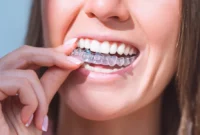
While clear aligners, such as Invisalign, offer the advantage of being removable for eating and cleaning, they present their own set of challenges regarding gum health. Because aligners fit snugly over the teeth, they can trap saliva, plaque, and food particles against the enamel and gumline if the teeth are not thoroughly cleaned before the trays are reinserted.
Patients undergoing clear aligner therapy must remove their appliances before consuming anything other than water. Failing to brush and floss before putting the aligners back in creates a localized incubator for bacteria, significantly increasing the risk of localized gingivitis and enamel demineralization. Furthermore, if an aligner tray has a rough edge or places excessive pressure on the marginal gingiva, it can cause physical irritation and localized swelling. Patients are encouraged to monitor how their aligners fit and report any persistent rubbing or discomfort to their orthodontist immediately.
When to Seek Immediate Professional Evaluation
While mild inflammation can often be resolved by refining at-home hygiene techniques, certain symptoms demand prompt professional evaluation from an orthodontist or dentist. Patients should schedule an appointment if they observe:
- Swelling or bleeding that progressively worsens or does not improve after optimizing hygiene habits.
- Gum tissue visibly growing over or around the orthodontic brackets.
- Persistent bad breath (halitosis) or an unpleasant taste in the mouth that does not resolve with brushing.
- Signs of gum recession, where the gum tissue pulls away from the teeth, exposing the roots.
- Irritation, cuts, or abrasions caused by a broken wire, protruding bracket, or ill-fitting aligner.
In rare cases, orthodontic patients may develop acute infections or severe inflammatory responses. The presence of pus, rapidly increasing swelling, high fever, or significant facial pain constitutes a medical scenario requiring immediate attention. Furthermore, any difficulty in breathing or swallowing should be treated as an emergency, necessitating a visit to an urgent care facility or emergency room.
Broader Implications for Long-Term Oral Health
The stakes of maintaining periodontal health during orthodontic treatment extend far beyond the immediate aesthetic goals of a straight smile. The foundation of a healthy bite relies not only on the alignment of the teeth within the jawbone but also on the integrity of the surrounding soft tissues and alveolar bone. Left untreated, chronic gingivitis can advance into periodontitis, a serious gum infection that destroys the soft tissue and bone supporting the teeth, potentially leading to tooth mobility or loss.
By fostering close communication between patients, parents, orthodontists, and general dentists, the dental community aims to mitigate these risks. Comprehensive orthodontic care encompasses education on plaque control, regular monitoring of periodontal tissues, and timely intervention when complications arise.
For individuals currently undergoing orthodontic treatment or those considering starting a journey toward a straighter smile, professional guidance remains paramount. Patients seeking qualified orthodontic specialists can utilize resources such as the American Association of Orthodontists’ Find an Orthodontist tool to connect with board-certified professionals who prioritize both alignment and holistic oral health. Ultimately, a truly successful orthodontic outcome is measured not just by the final position of the teeth, but by the enduring health and vitality of the gums that support them.