IAPD June 2026 Update: Global Summits, Research Excellence, and the Evolution of Paediatric Dentistry

The International Association of Paediatric Dentistry (IAPD) is entering the second half of 2026 with a robust agenda aimed at bridging the gap between clinical research and daily practice. As the organization prepares for its 4th Global IAPD Summit in Barcelona and continues its collaborative efforts with international dental bodies, the focus remains firmly on evidence-based care, professional development, and the digital transformation of scientific dissemination.
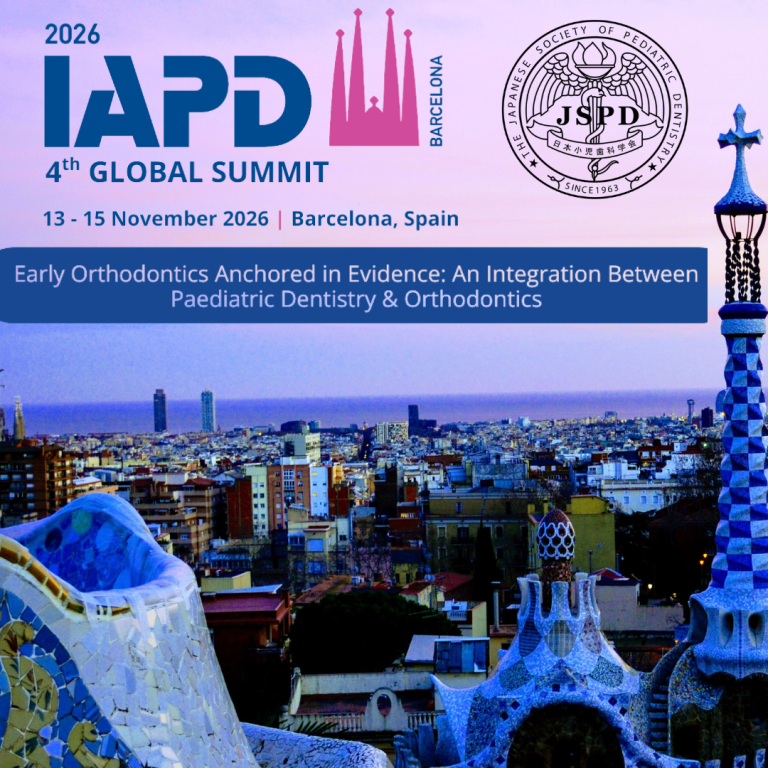
Barcelona 2026: The Intersection of Heritage and Innovation
The 4th Global IAPD Summit, scheduled for November 13–15, 2026, in Barcelona, Spain, represents a strategic milestone for the association. This year’s event is particularly significant as it coincides with the anticipated completion of the central tower of the Sagrada Família. The architectural project, which has been in progress for over 140 years, mirrors the long-term, iterative nature of clinical progress in paediatric dentistry.

For delegates, the choice of venue is symbolic. The Summit aims to build a global consensus on the future of paediatric dental care—a field that, like the basilica, relies on the foundational work of previous generations to reach new heights of structural and functional integrity. The scientific program will place a heavy emphasis on early orthodontic intervention and the evolving protocols for pediatric oral health, providing practitioners with actionable insights into managing complex cases in a primary care setting.
Beyond the academic sessions, the Summit provides a platform for international networking. In an era where dental practices are increasingly globalized, the ability to share localized clinical experiences with peers from different regulatory and socioeconomic environments is invaluable. The IAPD anticipates a diverse turnout, reflecting a growing international interest in standardization and quality assurance for children’s dental services.
Fostering Early-Career Research: The JSPD Travel Award
Central to the IAPD’s mission is the cultivation of the next generation of researchers. In line with this, the association has launched the application process for the Japanese Society of Pediatric Dentistry (JSPD) Travel Award. This initiative is designed specifically for early-career investigators from developing nations, a demographic that is often underrepresented in global scientific discourse due to financial and logistical barriers.

The award covers participation in the 4th Global IAPD Summit, offering winners the opportunity to present their findings to an audience of global experts. This is more than a financial grant; it is an integration mechanism. By placing young researchers in direct contact with established figures in the field, the IAPD aims to facilitate mentorship and collaborative research projects that address the specific oral health challenges faced by pediatric populations in the Global South.
The criteria for the award prioritize research that contributes to sustainable improvements in children’s oral health, with a particular focus on evidence-based preventive strategies. Up to two investigators will be selected, reflecting the IAPD’s commitment to quality over quantity in its research grants.
Clinical Leadership at the FDI World Dental Congress
The IAPD’s influence extends beyond its own standalone events. In September 2026, the association will host a dedicated symposium at the FDI World Dental Congress in Prague, Czech Republic. This collaboration serves to integrate pediatric-specific knowledge into the broader field of dentistry, ensuring that general practitioners remain informed about the nuances of treating younger patients.

The symposium lineup features a cross-section of European expertise:
- Prof. Dr. Figen Seymen, IAPD Immediate Past President, will initiate the proceedings by highlighting the association’s expanding educational outreach.
- Prof. Seymen will subsequently lead a session on the principles of minimal intervention in paediatric dentistry, an approach that has gained significant traction as a means to reduce patient anxiety and clinical chair time.
- Dr. Arina Vinereanu of Romania will deliver a presentation on advanced pain management, addressing the critical balance between effective sedation and patient safety.
- Dr. Jana Vašáková, representing the Czech Republic, will provide an update on the application of prefabricated crowns—a topic currently undergoing a shift in clinical standards due to improvements in materials science.
This symposium is indicative of a larger trend in the dental profession: the shift toward non-invasive, preventive-first methodologies. By focusing on minimal intervention, the IAPD is advocating for a shift in the patient-provider relationship, moving from reactive restorative treatment to long-term oral health maintenance.
Digital Transformation of the International Journal of Paediatric Dentistry
In a move consistent with broader institutional sustainability goals, the International Journal of Paediatric Dentistry (IJPD) has officially transitioned to a digital-first publishing model. This decision, while motivated by environmental concerns regarding paper consumption and international shipping logistics, also serves a functional purpose: accessibility.
By moving the journal to a digital platform, the IAPD has made its entire repository of research searchable and instantly available to members globally. This transition removes the geographic limitations that previously hindered members in remote or resource-limited areas from accessing timely scientific data. The IAPD is currently encouraging members to utilize the online portal to set up customized email alerts, ensuring that practitioners are notified the moment new research is published. This agility is critical, as modern dental guidelines are updated more frequently than in previous decades.
Professional Recognition: Celebrating IAPD Fellows
Education remains the bedrock of the IAPD’s existence, and the association continues to see growth in its fellowship programs. The 2025 examination cycle saw a high standard of academic performance, with the newly minted fellows representing a broad cross-section of the global dental community.
Fellowship in the IAPD is regarded as a rigorous indicator of clinical competency and dedication to the specialized field of pediatric dentistry. With applications for the 2027 cycle now open, the organization is looking to further standardize the certification process to ensure that IAPD fellows are recognized for their mastery of both clinical practice and theoretical research.
Strategic Partnership with Shofu: Innovations in Caries Management
The relationship between the IAPD and industry partners is predicated on scientific advancement. The ongoing collaboration with Shofu, a leader in dental material technology, is a prime example of this synergy. Shofu’s sponsorship of the IAPD Caries Management Awards has facilitated a deeper investigation into how material science can address the global prevalence of childhood caries.
The partnership is rooted in the shared belief that innovation in restorative materials—specifically those that are biocompatible and support remineralization—is essential for the long-term management of pediatric oral health. Looking ahead, the IAPD has announced that a special, once-off award sponsored by Shofu will be presented at the 31st IAPD Congress in Osaka, Japan, in 2027. This award will specifically recognize innovations that have successfully moved from laboratory development to successful clinical implementation.
Addressing Clinical Consensus: The Management of Ankyloglossia
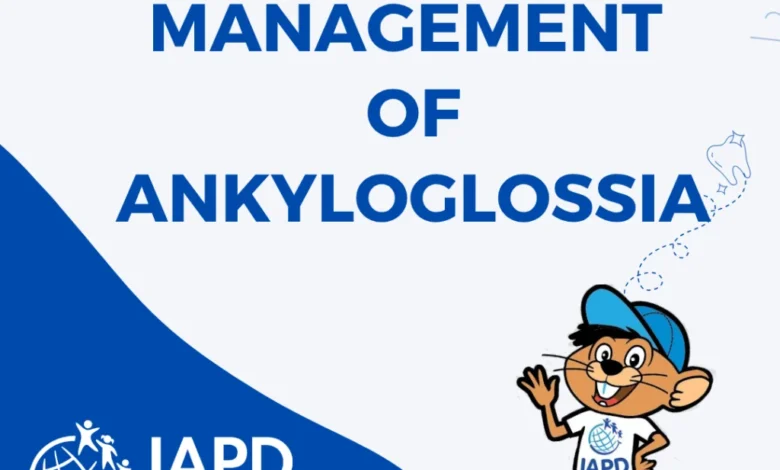
A significant portion of the IAPD’s work involves the creation of Consensus Recommendations, which serve as a gold standard for clinical practitioners dealing with complex or controversial diagnostic areas. This month, the association is emphasizing its recommendations on the management of ankyloglossia (tongue-tie).
Recent discourse in the pediatric community has been marked by a rise in surgical interventions for tongue-tie, a trend that some practitioners argue may be over-corrective. The IAPD’s guidance emphasizes the necessity of a nuanced, multidisciplinary approach. The recommendations advocate for a thorough functional assessment before any surgical procedure is considered, cautioning against the reflexive use of frenotomies without clear evidence of functional impairment.
This guidance reflects the IAPD’s broader philosophy: that every clinical intervention must be backed by a rigorous, evidence-based consensus that prioritizes the long-term welfare of the child over short-term procedural convenience.
Looking Ahead: The Future of IAPD Education

As the organization moves through 2026, the focus remains on the democratization of knowledge. With the upcoming webinar series, including the July 26 session featuring Dr. Ahmed Fawzy Rady on clinical challenges, the IAPD is leveraging digital infrastructure to provide high-level professional education to anyone with an internet connection.
The insistence on Zoom-based live participation—rather than social media streaming—is a deliberate choice by the IAPD to ensure that its educational content remains professional, interactive, and eligible for formal accreditation. By requiring active participation, the association ensures that its webinars are viewed not merely as passive media, but as legitimate components of a professional’s continuous education.
In summary, the IAPD is navigating a period of growth that balances the prestige of traditional, in-person summits with the efficiency of digital information dissemination. From the historic backdrop of Barcelona to the technical precision required in modern caries management, the association continues to function as the primary anchor for pediatric dental professionals worldwide, ensuring that the next generation of dentists is equipped to meet the challenges of an evolving global health landscape.