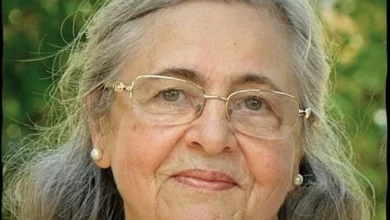
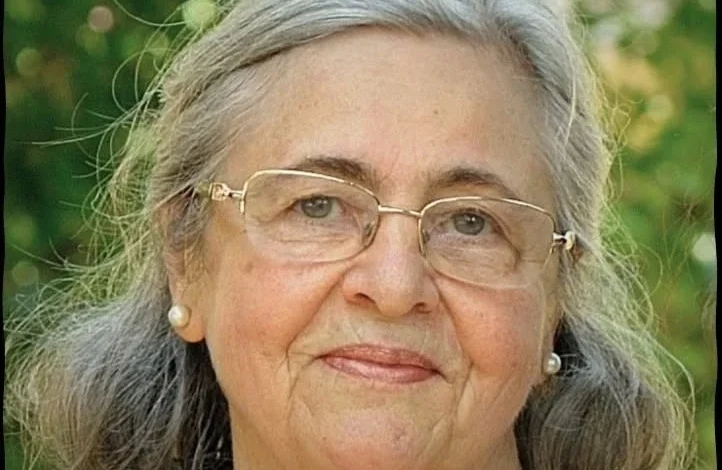
The international paediatric dentistry community is in mourning following the announcement on 28 October 2026 of the passing of Professor Rodica Luca. A towering figure in the field of oral health for children, Professor Luca served as a cornerstone of the International Association of Paediatric Dentistry (IAPD) and a pivotal leader within the Romanian dental academic landscape. Her departure marks the end of a career spanning decades, characterized by clinical excellence, pedagogical innovation, and a relentless advocacy for the oral health of the world’s most vulnerable populations. As news of her passing circulates among dental societies globally, colleagues are reflecting on a legacy that bridged the gap between Eastern European clinical traditions and the evolving standards of global paediatric dentistry.
A Career Defined by Academic Excellence and Mentorship
Professor Rodica Luca’s professional trajectory was defined by a commitment to the rigorous scientific advancement of paediatric dentistry. Throughout her tenure in academia, she navigated the complexities of clinical practice while simultaneously shaping the next generation of dental surgeons. Her influence was particularly felt in Romania, where she was instrumental in standardizing care protocols and elevating the status of paediatric dentistry within the medical hierarchy.
Her pedagogical approach was noted for its blend of technical precision and empathetic practice. Colleagues recall a mentor who insisted that the clinical treatment of children must always be grounded in a deep understanding of psychological development, alongside biological oral health. By fostering these values, she ensured that her students did not merely become technicians, but advocates for a holistic approach to child health. Her influence extended well beyond the lecture hall; she was a frequent contributor to international journals and a keynote presence at global summits, where she articulated the necessity of preventive care strategies in diverse socioeconomic contexts.
Historical Context and Professional Milestones
To understand the weight of Professor Luca’s contributions, one must look at the landscape of paediatric dentistry in Europe during the late 20th and early 21st centuries. During this era, the discipline faced significant challenges, including the integration of new technologies and the transition toward minimally invasive dentistry. Professor Luca was at the forefront of these transitions in Romania.
Her timeline of achievement began with a dedication to rigorous clinical research. In the 1990s and early 2000s, as European dental standards began to harmonize, Professor Luca played a vital role in aligning Romanian curricula with the standards set forth by the IAPD and other continental bodies. This required not only academic rigor but also significant political and administrative maneuvering within university systems to ensure that child-specific oral health received the funding and research attention it required. Her career serves as a case study in how a single academic leader can modernize a national specialty, turning local expertise into a global asset.
Global Impact and Data Trends in Paediatric Dentistry
The loss of a figure like Professor Luca comes at a critical time for global oral health. According to data from the World Health Organization (WHO), dental caries remain the most prevalent non-communicable disease globally, with a disproportionate impact on children. The burden of this disease is often exacerbated by a lack of access to specialized paediatric care.
Professor Luca’s work directly addressed these systemic challenges. By focusing on the training of specialized workforce members, she helped decrease the gap between clinical need and available care. Her research often focused on the efficacy of community-based prevention programs, a model that has become increasingly essential in the post-pandemic landscape. Analysts in the field note that professionals like Professor Luca are the primary reason for the steady, albeit slow, improvement in oral health outcomes for children in developing and transitional economies. Her emphasis on early intervention—a concept she championed long before it was standard practice—has been statistically correlated with lower incidences of childhood dental anxiety and reduced long-term costs for public health systems.
Official Responses and Communal Reflection
The IAPD Board of Directors, in an official communique released on 28 October 2026, described Professor Luca as a "cherished figure" whose warmth and generosity matched her clinical brilliance. The resonance of her death is felt across the organization’s membership, which spans over 70 countries.
"The passing of Professor Luca is a profound loss for our community," noted a statement from the IAPD secretariat. "While her professional accolades are numerous, it is the void left by her mentorship and her spirit of international collaboration that will be most keenly felt."
Within the Romanian dental community, the response has been one of deep reverence. Academic departments and private practices alike have organized virtual memorial sessions, sharing stories of her guidance during the formative years of their careers. The sentiment shared by many is that while the clinical knowledge she imparted is documented in textbooks, the "art of the practice"—the way she approached every child with patience and kindness—is the true legacy that will persist in the clinics and hospitals she touched.
Implications for the Future of the Profession
The passing of a luminary such as Professor Rodica Luca prompts an analysis of the future of the paediatric dental profession. As the field moves toward increased digitalization and the implementation of precision medicine, the foundational principles that Professor Luca stood for—human-centric care and evidence-based prevention—remain more relevant than ever.
The challenge for the next generation of educators is to preserve the human element of dentistry in an increasingly technological age. Professor Luca’s career demonstrated that high-level clinical success is not mutually exclusive with compassionate care. Organizations like the IAPD are now tasked with ensuring that the collaborative, global network she helped build continues to thrive. Her mentorship established a chain of knowledge transfer that is expected to continue; many of the professionals she trained now occupy leadership positions in universities and professional boards, serving as a living testament to her influence.
Furthermore, the void left by her absence underscores the need for robust succession planning in specialized medical fields. The loss of a leader with such depth of experience often highlights the fragility of institutional knowledge. The global dental community is currently facing a "brain drain" of senior faculty, making the efforts of figures like Professor Luca to formalize mentorship programs all the more critical in hindsight.
A Lasting Legacy
As the international community moves forward, the memory of Professor Rodica Luca will be enshrined in the ongoing efforts to address the global crisis of childhood oral health. Her life’s work serves as a benchmark for what can be achieved through a combination of scientific curiosity and selfless dedication to the public good.
In the coming months, it is expected that academic institutions will look to honor her memory through the establishment of fellowships or research grants in her name, further cementing her influence on future dental professionals. For the IAPD, the focus remains on continuing the collaborative spirit she embodied. Her contributions to the literature of the field, the students who graduated under her guidance, and the patients whose health was improved by her protocols, represent a legacy that is both enduring and profound.
In conclusion, the death of Professor Rodica Luca is not merely the loss of a colleague, but the loss of a guiding light in paediatric dentistry. Her influence reached across borders, transcending language and geography to unite professionals under a shared mission: the health and well-being of children. While her direct participation in global dental governance has come to an end, the structural and pedagogical foundations she built will undoubtedly support the next generation of specialists for years to come. The international community stands in solidarity with her family and the Romanian dental fraternity, acknowledging that while she is gone, the impact of her life’s work remains firmly embedded in the practice of modern paediatric dentistry.
Related posts: