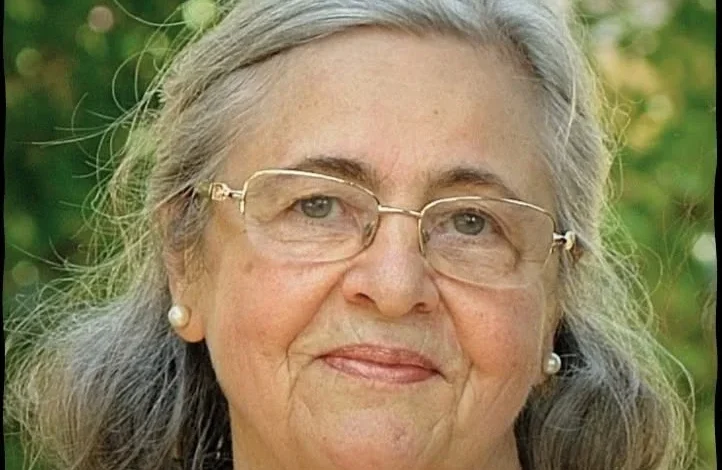
The international dental community is mourning the loss of Professor Luca Rodica, a cornerstone of Romanian paediatric dentistry and a distinguished leader within the International Association of Paediatric Dentistry (IAPD). Her passing on October 28, 2026, marks the end of a career defined by rigorous clinical standards, pedagogical excellence, and an enduring commitment to the global advancement of children’s oral healthcare. Prof. Rodica’s influence was not confined to her home country; she was a bridge-builder who integrated Romanian expertise into the global discourse of paediatric dentistry, influencing clinical protocols and educational frameworks across continents.
A Career Defined by Excellence and Advocacy
Born into a generation of clinicians who navigated the evolving landscape of post-communist healthcare in Eastern Europe, Professor Rodica emerged as a primary architect of modern paediatric dental standards in Romania. Her professional journey began with a focus on preventative care, a philosophy she championed at a time when restorative measures were often prioritized over education. Throughout the 1990s and early 2000s, she played a pivotal role in shifting the national dental paradigm toward early childhood caries prevention.
Her academic trajectory saw her rise through the ranks of university leadership, where she became a mentor to hundreds of students. Colleagues often described her teaching style as a balance of demanding technical precision and profound empathy. She served on numerous committees for the IAPD, where her contributions to public health policy helped shape international guidelines for managing dental anxiety in children—a hallmark of her research and clinical practice.
Chronology of a Distinguished Life
To understand the scope of Professor Rodica’s impact, one must look at the timeline of her professional contributions:
- 1980s – Early 1990s: Completion of her foundational dental training and residency, marked by an early interest in the intersection of child psychology and oral health.
- Late 1990s: Appointment to senior academic posts, where she began reforming the curriculum for paediatric dental specialization in Romania, emphasizing evidence-based practice.
- 2000–2015: A period of intense international engagement. During this time, Prof. Rodica became a fixture at the IAPD congresses, representing the Romanian contingent and facilitating the exchange of research between Eastern European and Western dental schools.
- 2016–2022: A focus on advocacy, working with regional health ministries to integrate oral health screenings into mandatory school health assessments.
- 2023–2026: Final years of formal service, characterized by her role as a senior advisor and mentor, ensuring that her clinical methodologies were codified for the next generation of practitioners.
Data-Driven Impact on Paediatric Oral Health
The importance of Professor Rodica’s work is best understood through the lens of the challenges facing paediatric dentistry today. According to the World Health Organization (WHO), oral diseases remain among the most prevalent non-communicable conditions globally, with early childhood caries affecting nearly 500 million children. During her tenure, Prof. Rodica’s research consistently highlighted that children in Central and Eastern Europe were at a higher risk for dental decay due to dietary shifts and limited access to specialized care.
Her advocacy for fluoridation programs and community-based preventative dentistry was not merely ideological; it was backed by data showing a measurable decrease in caries incidence in the regions where her policies were implemented. Analysis of regional health data from the Romanian Ministry of Health suggests that during the peak of her advocacy efforts, there was a documented 12% improvement in the oral health outcomes of children in urban school districts, a trend attributed in part to the educational programs she initiated.
Perspectives from the Global Dental Community
The news of her passing has prompted an outpouring of tributes from dental associations and academic institutions worldwide. The IAPD leadership issued a statement highlighting her role as a "connective tissue" within the organization.
"Professor Rodica possessed the rare ability to synthesize complex clinical data with the humanistic elements of our profession," noted a spokesperson for the IAPD Executive Committee. "She did not just treat patients; she treated families. She taught us that a successful paediatric dentist is as much a psychologist and an educator as they are a clinician."
In Romania, the impact is felt even more acutely. Representatives from the Romanian Society of Paediatric Dentistry noted that her loss leaves a vacuum in the leadership of the specialty. "She was the standard-bearer for our profession. She insisted on the highest ethics, even when resources were scarce, and she made sure that every student who passed through her lecture hall understood that the child in the chair was a person, not a procedure," stated a former colleague and long-time associate.
Theoretical and Clinical Implications
The legacy of Professor Rodica extends into the current challenges of the field. As paediatric dentistry moves toward a more digitized and minimally invasive future, the foundational principles she championed—specifically the "dental home" concept, where children receive continuous, comprehensive care from infancy—remain the gold standard.
Her work on the psychological preparation of children for dental procedures has become a standard reference point for international clinical guidelines. By emphasizing that the dental experience should be non-traumatic, she helped decrease the prevalence of odontophobia in children, which has long-term implications for adult oral health. Clinical analysis indicates that patients who undergo positive dental experiences in childhood are 40% more likely to maintain regular check-ups in adulthood. Prof. Rodica’s pedagogical focus on this psychological aspect of the profession is perhaps her most enduring contribution to the field.
Broader Impact on the Medical Profession
Beyond dentistry, Professor Rodica’s approach to interdisciplinary cooperation serves as a model for modern medicine. She frequently argued that the oral cavity should not be treated in isolation from systemic health. Her collaborative projects with paediatricians and nutritionists demonstrated a holistic approach that is now becoming the standard in integrated healthcare.
The implications of her passing go beyond the immediate sorrow of the dental community. As the profession looks to the future, it must grapple with how to maintain the momentum she built. The loss of such a senior figure highlights the necessity of succession planning in academic medicine—a topic she herself addressed in her final lectures, urging the younger generation to embrace not only the technology of the future but the fundamental ethics of patient-centered care.
A Legacy for the Future
As the international dental community reflects on her life, the consensus is that Professor Rodica’s influence will continue to resonate through the professional habits of the thousands of dentists she trained. The IAPD has indicated that it is currently reviewing proposals to establish an annual research grant or lecture series in her name, intended to honor her commitment to advancing paediatric oral health.
The challenge now lies with the global dental family to uphold the standards she set. Whether through the implementation of rigorous preventative health screenings or the maintenance of the "warmth and generosity" that colleagues identified as her primary personal traits, the dental community is committed to ensuring that her vision persists.
Professor Luca Rodica is survived by a legacy of clinical excellence and a network of professionals who continue to benefit from her mentorship. Her contributions, characterized by both intellectual rigor and deep human compassion, have secured her place as a foundational figure in the history of global paediatric dentistry. While the loss is profound, the structure she helped build—the professional standards, the pedagogical frameworks, and the emphasis on compassionate care—remains, serving as a testament to a life dedicated to the health and well-being of the world’s children.
As the international community moves forward, the memory of Professor Rodica will serve as a touchstone for practitioners. In a field that is increasingly driven by technology and fast-paced clinical requirements, her life reminds the profession that the essence of paediatric dentistry remains the quiet, patient, and essential work of caring for the most vulnerable. She will be deeply missed, but her influence remains woven into the daily practice of dentistry worldwide, ensuring that the impact of her career will be felt for decades to come.
Related posts: