
Easy Slow Cooker Chicken Chili
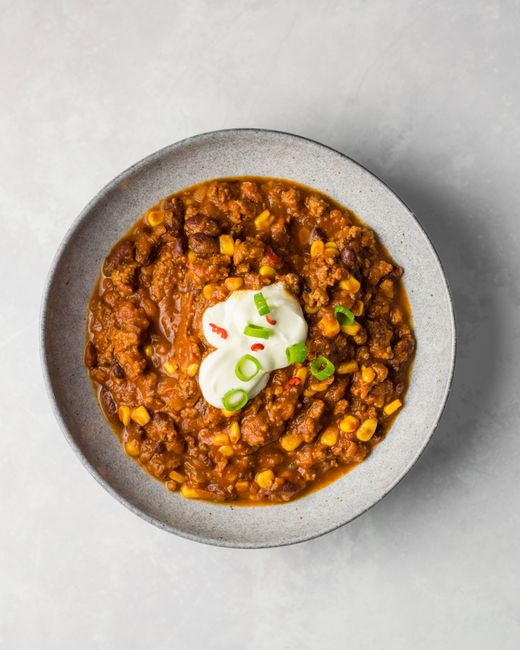
Unlock Flavor and Simplicity: The Ultimate Guide to Easy Slow Cooker Chicken Chili
This comprehensive guide delves into the creation of an incredibly simple yet profoundly flavorful easy slow cooker chicken chili. Designed for busy individuals, novice cooks, and anyone seeking a comforting, hearty meal with minimal effort, this recipe prioritizes accessibility and deliciousness. We will explore ingredient selection, step-by-step preparation, and offer variations to cater to diverse palates and dietary needs. The slow cooker, a kitchen workhorse, transforms humble ingredients into a rich, aromatic chili that simmers to perfection, requiring only a few minutes of active preparation time. This approach minimizes kitchen cleanup and maximizes your free time while delivering a satisfying meal. We aim to equip you with the knowledge to create this foundational recipe and then adapt it to your personal preferences, ensuring consistently delicious results.
The foundation of any great chili, including this easy slow cooker chicken chili, lies in the quality and thoughtful selection of its core components. For this recipe, boneless, skinless chicken thighs are the preferred protein. Their higher fat content compared to chicken breasts ensures a more tender, flavorful, and moist chili that doesn’t dry out during the extended cooking time. While chicken breasts can be used, they are more prone to becoming dry and stringy. If opting for breasts, consider adding them later in the cooking process, perhaps in the last 1-2 hours, to mitigate this risk. The quantity typically ranges from 1.5 to 2 pounds, depending on the desired richness of the chicken flavor and the size of your slow cooker. Diced or shredded chicken will both work, with diced offering more distinct pieces and shredded providing a more integrated texture.
Moving to the aromatics, finely diced yellow or white onions form the flavor base. A medium to large onion is usually sufficient. Garlic, a non-negotiable element for depth, should be minced. Aim for 4-6 cloves, adjusting to your personal garlic preference. Bell peppers, offering sweetness and color, are another crucial component. A mix of red and green bell peppers provides visual appeal and a balanced flavor profile, but any color combination is acceptable. Dice them into roughly ½-inch pieces. For a spicier kick, consider adding a jalapeño pepper, with the seeds and membranes removed for moderate heat, or left in for a more intense experience. The size and number of jalapeños will dictate the overall spiciness.
The liquid base and body of the chili are paramount. Diced tomatoes, preferably fire-roasted for an added smoky depth, are essential. A large 28-ounce can is standard. Do not drain the juice; it contributes significantly to the liquid content and flavor. Low-sodium chicken broth or vegetable broth is also vital for moisture and to meld the flavors. Use approximately 2-3 cups, adjusting based on the desired thickness of your chili. For a richer, creamier texture and added body, canned tomato sauce or crushed tomatoes can be incorporated, often replacing some of the broth. Kidney beans are a classic chili staple, offering a hearty texture and earthy flavor. Two 15-ounce cans, rinsed and drained, are typically used. Black beans and pinto beans are excellent alternatives or additions, offering varied textures and nutritional profiles. Always rinse and drain canned beans to remove excess sodium and any metallic taste.
Spices are the soul of chili. For this easy slow cooker chicken chili, a robust blend is key. Chili powder, the namesake spice, is indispensable. Start with 2-3 tablespoons, understanding that chili powders vary in heat and flavor intensity. Cumin, with its warm, earthy notes, is equally important, usually 1-2 tablespoons. Smoked paprika adds a subtle smokey sweetness and a vibrant red hue, about 1 teaspoon. For a touch of heat and complexity, cayenne pepper can be added in ¼ to ½ teaspoon increments, adjusting to your spice tolerance. Oregano, typically dried, provides an herbaceous counterpoint, ½ to 1 teaspoon. Salt and freshly ground black pepper are essential for enhancing all the other flavors, to taste.
The preparation of this easy slow cooker chicken chili is designed for maximum efficiency. Begin by preparing your ingredients. Dice the onion, mince the garlic, dice the bell peppers, and if using, mince the jalapeño. If your chicken is not pre-cut, dice it into bite-sized pieces. In the insert of your slow cooker, combine the diced chicken, chopped onion, minced garlic, diced bell peppers, and diced jalapeño (if using). Next, add the undrained diced tomatoes, chicken broth, and tomato sauce (if using). Now, introduce the spices: chili powder, cumin, smoked paprika, cayenne pepper, and oregano. Season generously with salt and black pepper. Stir everything thoroughly to ensure the spices are evenly distributed and the ingredients are well combined.
Once all the ingredients are in the slow cooker, secure the lid. For optimal flavor development, cook on the LOW setting for 6-8 hours or on the HIGH setting for 3-4 hours. The exact cooking time can vary depending on your specific slow cooker model. The key indicator of doneness is when the chicken is fully cooked through and tender, easily shreddable with a fork, and the flavors have had ample time to meld. During the cooking process, it’s beneficial to stir the chili once or twice, especially if cooking on the HIGH setting, to ensure even heating.
The beauty of this easy slow cooker chicken chili lies not only in its simple preparation but also in its incredible versatility for serving and customization. Once the chili is cooked and the chicken is tender, remove the chicken from the slow cooker and shred it using two forks. Return the shredded chicken to the chili and stir to combine. This shredding process allows the chicken to absorb more of the flavorful chili broth. Taste and adjust seasonings as needed. If you prefer a thicker chili, you can remove the lid during the last 30-60 minutes of cooking to allow some of the liquid to evaporate. Alternatively, you can create a slurry by mixing 1-2 tablespoons of cornstarch with an equal amount of cold water and stirring it into the chili during the last 30 minutes of cooking.
Serving this easy slow cooker chicken chili is an opportunity to further personalize the meal. Classic toppings include shredded cheddar cheese, sour cream or Greek yogurt, chopped fresh cilantro, diced red onion, and sliced jalapeños for those who desire extra heat. Cornbread is a traditional accompaniment, providing a slightly sweet and crumbly contrast to the savory chili. Tortilla chips, either for dipping or as a crunchy topping, are also a popular choice. A dollop of guacamole or a side of avocado slices can add a creamy, healthy fat element. For a lighter option, serve over a bed of cooked rice or quinoa.
Exploring variations of this easy slow cooker chicken chili can elevate it to new culinary heights and cater to specific dietary requirements. For a vegetarian or vegan version, omit the chicken and increase the quantity and variety of beans. Add hearty vegetables like corn, zucchini, or sweet potatoes. Vegetable broth should be used instead of chicken broth. To enhance protein and texture in a vegetarian version, consider adding firm or extra-firm tofu, diced and pan-fried before adding to the slow cooker, or cooked lentils.
Spice level can be easily adjusted. For a milder chili, reduce or omit the cayenne pepper and jalapeño. For a spicier chili, increase the cayenne, add a pinch of red pepper flakes, or incorporate hotter chili peppers like serrano or habanero (use with extreme caution). The type of chili powder used also significantly impacts the heat; experiment with different blends.
For a smoky, deeper flavor profile, consider adding a tablespoon or two of adobo sauce from a can of chipotle peppers in adobo. This adds both smoky heat and a unique depth. A splash of liquid smoke can also be used, but use sparingly as it’s potent. Some recipes benefit from a small amount of unsweetened cocoa powder (1-2 teaspoons) added with the spices; this doesn’t make the chili chocolatey but adds an incredible richness and complexity. A tablespoon of brown sugar or a drizzle of maple syrup can balance the acidity of the tomatoes and the heat of the spices.
When it comes to beans, the possibilities are vast. Beyond kidney, black, and pinto, consider cannellini beans for a creamier texture, great northern beans, or even chickpeas. Mixing bean varieties adds visual interest and diverse textures. Ensure all canned beans are rinsed and drained thoroughly.
The ease of making this easy slow cooker chicken chili makes it perfect for meal prepping. Once cooled, portion the chili into airtight containers and refrigerate for up to 3-4 days. It also freezes exceptionally well. Allow the chili to cool completely before transferring it to freezer-safe containers or heavy-duty freezer bags. Frozen chili will last for 2-3 months. Thaw overnight in the refrigerator and reheat gently on the stovetop or in the microwave.
This easy slow cooker chicken chili recipe is more than just a meal; it’s a foundation. By understanding the core principles of ingredient synergy, spice balance, and slow cooking techniques, you can confidently adapt and evolve this recipe to suit your evolving culinary preferences and dietary needs. The consistent, comforting results make it an indispensable addition to any home cook’s repertoire, proving that exceptional flavor doesn’t require extensive time or advanced culinary skills. The slow cooker does the heavy lifting, allowing you to enjoy delicious, homemade chili with minimal fuss and maximum satisfaction. The aroma that will fill your home as it cooks is an added bonus, a testament to the simple magic of slow cooking.
