
Low Carb Chicken Florentine
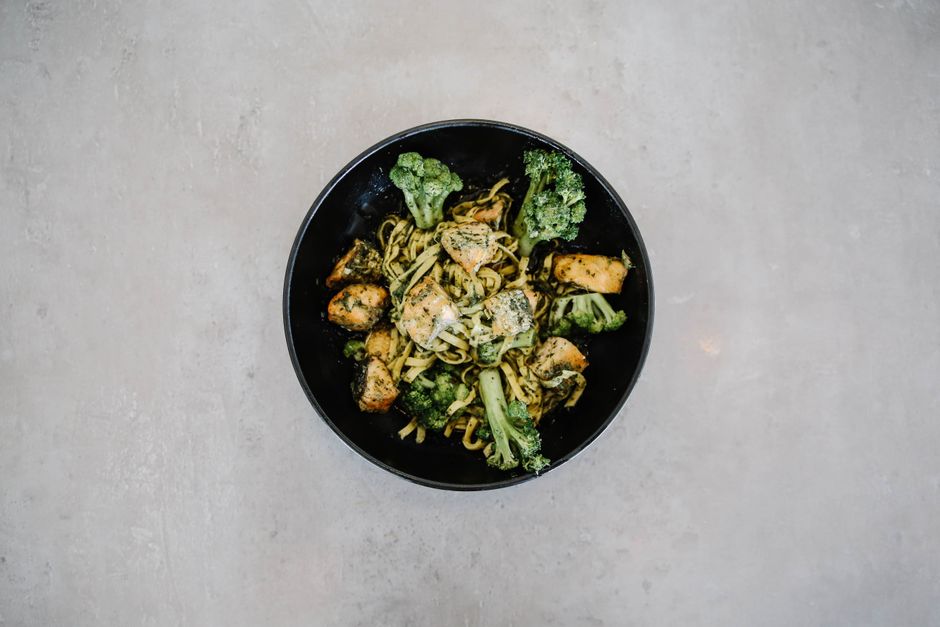
Low Carb Chicken Florentine: A Flavorful and Healthy Keto Meal
Low carb chicken Florentine offers a delicious and satisfying alternative to traditional, carb-heavy pasta dishes. This keto-friendly recipe focuses on lean protein, nutrient-rich spinach, and a creamy, flavorful sauce, making it an ideal choice for those adhering to a ketogenic diet or seeking to reduce their carbohydrate intake without sacrificing taste. The core of this dish lies in its simplicity and the synergistic flavors of its key components. Chicken, a versatile protein, provides a substantial base, while spinach, the "Florentine" element, contributes essential vitamins, minerals, and a vibrant color. The creamy sauce, typically featuring heavy cream, butter, and Parmesan cheese, binds everything together with a rich, decadent mouthfeel that is surprisingly low in net carbs. This article will delve into the intricacies of preparing a low carb chicken Florentine, exploring variations, ingredient benefits, preparation techniques, and its suitability for various dietary needs, all while optimizing for search engines.
The nutritional profile of low carb chicken Florentine makes it a standout option for health-conscious individuals. Chicken breast, a lean protein, is low in carbohydrates and saturated fat, providing essential amino acids for muscle building and repair. Its high satiety factor also contributes to feeling fuller for longer, a significant benefit for weight management goals often associated with keto diets. Spinach, renowned for its nutritional density, is packed with vitamins A, C, and K, as well as folate, iron, and calcium. These nutrients play crucial roles in immune function, bone health, and energy production. The creamy sauce, while seemingly indulgent, can be kept low in carbohydrates by using full-fat dairy products like heavy cream and avoiding thickeners like flour or cornstarch. Heavy cream provides healthy fats that are a cornerstone of the ketogenic diet, contributing to ketosis and sustained energy levels. Parmesan cheese adds a sharp, nutty flavor and a good source of protein and calcium, with minimal carbohydrate content. When prepared with these ingredients, a single serving of low carb chicken Florentine can provide a substantial amount of protein, healthy fats, and essential micronutrients, while keeping net carbohydrates well within the daily allowance for a ketogenic lifestyle.
Preparing low carb chicken Florentine is a straightforward process that can be accomplished relatively quickly, making it a perfect weeknight meal. The primary steps involve searing the chicken, sautéing the spinach and aromatics, and then creating the creamy sauce. For optimal flavor and texture, it’s recommended to start by searing the chicken breasts. This can be done in a skillet over medium-high heat with a healthy fat like olive oil or avocado oil until golden brown and cooked through. Alternatively, for a more hands-off approach, chicken can be baked or pan-fried beforehand. Once the chicken is cooked, remove it from the skillet and set aside. In the same skillet, the aromatics, typically garlic and onion, are sautéed until softened and fragrant. This forms the flavor base for the sauce. Fresh spinach is then added to the skillet, wilting down quickly due to the heat. The key to a successful Florentine is ensuring the spinach is thoroughly wilted and excess moisture is evaporated, preventing a watery sauce. The sauce is then assembled by deglazing the pan (if necessary, with a splash of chicken broth or dry white wine – optional for strict keto) and adding heavy cream. The cream is simmered until it begins to thicken slightly. Finally, grated Parmesan cheese is stirred in until melted and the sauce is smooth and creamy. The cooked chicken is then returned to the skillet, coated in the sauce, and heated through. Garnish with fresh parsley or a sprinkle of red pepper flakes for an extra kick.
Numerous variations can elevate low carb chicken Florentine, catering to individual taste preferences and dietary needs. For an added layer of flavor and texture, consider incorporating mushrooms. Sliced cremini or button mushrooms can be sautéed alongside the onions and garlic, adding an earthy depth to the dish. Sun-dried tomatoes, when rehydrated and chopped, can introduce a pleasant tanginess and a chewy texture. For those who enjoy a bit of heat, a pinch of red pepper flakes or a dash of hot sauce can be added to the sauce. If you prefer a more robust flavor, consider using chicken thighs instead of breasts. While slightly higher in fat, chicken thighs offer a richer taste and remain exceptionally moist. For a dairy-free or paleo-friendly version, coconut milk or unsweetened almond milk can be substituted for heavy cream, though the texture may vary. Avocado oil or ghee can be used as the primary cooking fat, and nutritional yeast can provide a cheesy flavor profile in place of Parmesan. To further enhance the nutritional value, a handful of toasted pine nuts can be added as a garnish, providing healthy fats and a delightful crunch. Experimentation is encouraged to discover your perfect low carb chicken Florentine combination.
The culinary significance of the "Florentine" style lies in its association with spinach, a practice believed to have originated in Florence, Italy. Catherine de’ Medici, a Florentine noblewoman who became Queen of France, is often credited with popularizing the use of spinach in French cuisine. Dishes prepared "Florentine" style typically feature spinach as a prominent ingredient, often served as a bed for meat or seafood, or incorporated into sauces and gratins. In the context of low carb cooking, this historical connection translates into a naturally fitting dish. Spinach is inherently low in carbohydrates and high in nutrients, making it a keto dieter’s dream. The addition of a creamy sauce, a staple in many European cuisines, is easily adapted to a low carb framework by utilizing heavy cream and cheese, avoiding carb-laden thickeners. This fusion of historical culinary tradition with modern dietary principles results in a dish that is both comforting and health-conscious.
When sourcing ingredients for your low carb chicken Florentine, prioritizing quality will significantly impact the final dish. Opt for fresh, organic chicken breasts or thighs whenever possible. Similarly, fresh spinach is preferable to frozen, as it retains a better texture and flavor. For the sauce, full-fat heavy cream is essential for achieving the desired richness and creamy consistency without adding unnecessary carbohydrates. High-quality Parmesan cheese, preferably freshly grated, will melt more smoothly and impart a superior flavor compared to pre-shredded varieties which can contain anti-caking agents that impact texture. Extra virgin olive oil or avocado oil are excellent choices for sautéing due to their high smoke points and beneficial fatty acid profiles. When selecting garlic and onions, fresh is always best for maximum aromatic impact. Consider organic options for all produce to minimize exposure to pesticides. The careful selection of these ingredients forms the foundation for a truly exceptional low carb chicken Florentine.
Optimizing this recipe for SEO involves strategic keyword usage and content structure. The primary keywords are "low carb chicken Florentine," "keto chicken Florentine," and "healthy chicken Florentine." These terms should be naturally integrated throughout the article, particularly in headings, subheadings, and the introductory and concluding paragraphs. Related keywords such as "keto chicken recipe," "low carb dinner," "spinach chicken," "creamy chicken sauce," "ketogenic diet," and "healthy meal ideas" can also be incorporated to broaden the search reach. Using descriptive language that highlights the benefits, such as "flavorful," "nutritious," "easy," and "quick," will also attract user engagement. Structuring the article with clear headings and subheadings (e.g., "Nutritional Benefits," "Preparation Steps," "Flavor Variations," "Ingredient Spotlight") improves readability for both users and search engine crawlers. Bullet points and numbered lists can be used for recipe steps or ingredient lists to enhance scannability. The inclusion of specific dietary information, like "keto-friendly," "gluten-free," and "low-carbohydrate," directly addresses common search queries.
The preparation of low carb chicken Florentine can be broken down into distinct, actionable steps, making it easy for readers to follow. A typical recipe might involve the following:
Ingredients:
- 2 boneless, skinless chicken breasts, halved horizontally
- 1 tablespoon olive oil or avocado oil
- 1 medium onion, finely chopped
- 2-3 cloves garlic, minced
- 10-12 ounces fresh spinach
- 1 cup heavy cream
- 1/2 cup grated Parmesan cheese
- Salt and freshly ground black pepper to taste
- Optional garnishes: fresh parsley, red pepper flakes, toasted pine nuts
Instructions:
- Prepare the Chicken: Season chicken breasts with salt and pepper. Heat oil in a large skillet over medium-high heat. Sear chicken for 4-6 minutes per side, until golden brown and cooked through. Remove chicken from skillet and set aside.
- Sauté Aromatics: Reduce heat to medium. Add chopped onion to the same skillet and sauté until softened, about 5-7 minutes. Add minced garlic and cook for another minute until fragrant.
- Wilt the Spinach: Add fresh spinach to the skillet in batches, allowing each batch to wilt before adding more. Stir until all spinach is wilted and excess moisture has evaporated.
- Make the Sauce: Pour heavy cream into the skillet with the spinach and aromatics. Bring to a simmer and cook for 2-3 minutes, allowing it to thicken slightly.
- Add Cheese and Season: Stir in grated Parmesan cheese until melted and the sauce is smooth and creamy. Season with salt and pepper to taste.
- Combine and Serve: Return the cooked chicken to the skillet, nestling it into the sauce. Spoon sauce over the chicken and heat through for a few minutes.
- Garnish and Enjoy: Serve immediately, garnished with fresh parsley, red pepper flakes, or toasted pine nuts if desired.
This structured approach, combined with keyword integration and a focus on benefits, will ensure the article is both informative and discoverable by individuals searching for low carb and keto meal solutions. The emphasis on flavor, health, and ease of preparation positions low carb chicken Florentine as a highly desirable dish within the low carb culinary landscape.
