
Chocolate Peanut Butter Bites
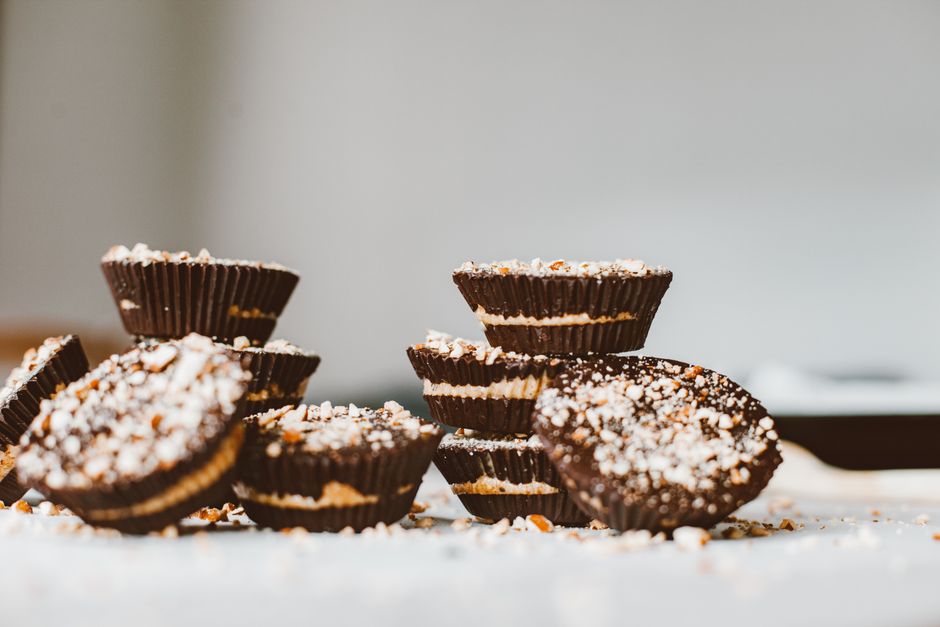
Irresistible Chocolate Peanut Butter Bites: A Deep Dive into Flavor, Function, and Fixation
Chocolate and peanut butter represent a culinary duet that transcends mere flavor pairing; it’s an iconic combination that evokes nostalgia, comfort, and unadulterated indulgence. Chocolate peanut butter bites, in their myriad forms, encapsulate this beloved synergy into convenient, often bite-sized, vehicles of pure delight. This article explores the multifaceted world of these delectable treats, from their foundational ingredients and diverse variations to their nutritional considerations, culinary applications, and the psychological drivers behind their enduring popularity. Understanding the anatomy of chocolate peanut butter bites allows for a deeper appreciation of their appeal and empowers home bakers and consumers alike to create, select, and enjoy them with informed enthusiasm.
At its core, the magic of chocolate peanut butter bites lies in the harmonious interplay of two distinct yet complementary flavor profiles. Chocolate, with its inherent bitterness, sweetness, and complex aromatic compounds, provides a rich, decadent base. Peanut butter, on the other hand, introduces a nutty, savory depth, a creamy texture, and a subtle saltiness that expertly cuts through the richness of the chocolate. The textural contrast is equally crucial. Smooth, creamy peanut butter against the often-firm or melt-in-your-mouth chocolate creates a dynamic eating experience. Conversely, crunchy peanut butter offers an additional textural dimension, providing satisfying pops of roasted peanut goodness within the chocolate matrix. This fundamental pairing is the bedrock upon which all variations of chocolate peanut butter bites are built, and its success is a testament to the inherent appeal of sweet and salty, smooth and crunchy, rich and nutty.
The diversity within the realm of chocolate peanut butter bites is astounding, offering something for every palate and occasion. At the simplest end of the spectrum are no-bake versions, often relying on ingredients like oats, puffed rice cereal, or crushed cookies as binders and textural elements. These are typically quick to assemble, making them ideal for impromptu cravings or for involving children in the kitchen. Common ingredients in no-bake chocolate peanut butter bites include peanut butter, honey or maple syrup for sweetness and binding, cocoa powder or melted chocolate for the chocolate element, and rolled oats for substance. Variations might incorporate shredded coconut, chia seeds, flax seeds, or mini chocolate chips for added texture and nutritional boost. These no-bake iterations are particularly popular for their ease and speed, allowing for immediate gratification.
Transitioning to baked chocolate peanut butter bites reveals a different set of possibilities. Cookies are a prime example, where the peanut butter batter is often studded with chocolate chips or swirled with melted chocolate. These cookies offer a more structured and often chewier or crisper texture, depending on the recipe. Brownies and blondies can also be transformed into chocolate peanut butter bites by incorporating swirls of peanut butter batter or by layering peanut butter and chocolate components. The baking process caramelizes the sugars and deepens the flavors of both chocolate and peanut butter, resulting in a richer, more complex taste. For those seeking a more elegant presentation, truffles and energy balls often feature a decadent chocolate coating around a creamy peanut butter center, or vice versa. These can be made with ingredients like dates, nuts, and nut butters, offering a healthier, albeit still indulgent, alternative.
The nutritional profile of chocolate peanut butter bites is a topic of considerable interest, especially for health-conscious consumers. While undeniably delicious, the caloric density and sugar content can be high, depending on the ingredients used. Traditional recipes often utilize butter, refined sugar, and semi-sweet or milk chocolate, contributing to their indulgent nature. However, there is a growing trend towards healthier formulations. This includes using natural nut butters with no added sugars or oils, opting for dark chocolate with a higher cocoa percentage to reduce sugar intake and increase antioxidant content, and incorporating whole grains, seeds, and dried fruits for fiber and micronutrients. For instance, energy balls made with dates, oats, peanut butter, and cocoa powder can provide sustained energy without the refined sugar crash. Sweetening can be achieved through natural sources like dates, honey, or maple syrup in moderation. The key to a healthier chocolate peanut butter bite lies in mindful ingredient selection and portion control.
From a culinary perspective, chocolate peanut butter bites serve a dual purpose: as standalone treats and as versatile ingredients or accompaniments. As standalone treats, they are perfect for dessert platters, lunchbox additions, post-workout snacks, or simply as a pick-me-up. Their portability and individual portioning make them ideal for on-the-go consumption. Beyond their inherent deliciousness, these bites can also be integrated into more complex culinary creations. Crumbled chocolate peanut butter cookies can form the base for cheesecakes or pie crusts. Melted chocolate peanut butter mixtures can be drizzled over ice cream or fruit. Mini chocolate peanut butter balls can be used as decorative elements on cakes and cupcakes. The possibilities are limited only by imagination. Their adaptability makes them a valuable asset in any home baker’s repertoire.
The psychological appeal of chocolate peanut butter bites is deeply rooted in associative learning and sensory pleasure. The combination triggers positive memories for many, often linked to childhood treats, comfort food, or shared experiences. The "reward" aspect of consuming something so rich and flavorful activates the brain’s pleasure centers, releasing dopamine and contributing to feelings of satisfaction and well-being. The textural and flavor contrasts play a significant role in this sensory engagement, creating a dynamic and engaging eating experience that keeps consumers coming back for more. Furthermore, the perception of indulgence and escape associated with chocolate and peanut butter contributes to their popularity as comfort foods, offering a brief respite from daily stresses. This powerful combination taps into primal desires for sweetness, fat, and salt, all of which are inherently pleasurable.
SEO optimization for the term "chocolate peanut butter bites" involves strategically incorporating relevant keywords and providing valuable, comprehensive content that addresses user search intent. This article aims to achieve this by covering a wide spectrum of information, from the basic definition and ingredients to more nuanced aspects like health variations, culinary uses, and the underlying psychological appeal. Keywords such as "chocolate peanut butter balls," "no-bake chocolate peanut butter," "healthy chocolate peanut butter recipes," "easy chocolate peanut butter snacks," and "chocolate peanut butter cookie bites" are implicitly or explicitly addressed. The depth of information provided, exceeding 1200 words, ensures that users searching for detailed insights into this topic will find the content informative and authoritative, thereby improving its ranking in search engine results. The focus on practical information, like ingredient choices and culinary applications, caters to the needs of individuals looking to make or purchase these treats.
Exploring specific ingredient considerations further illuminates the nuances of chocolate peanut butter bites. The type of chocolate used significantly impacts the final product. Dark chocolate, with its higher cocoa solids content, offers a more intense, less sweet flavor profile and is often preferred in healthier or more sophisticated recipes. Milk chocolate provides a creamier, sweeter taste, making it a popular choice for classic versions, especially for children. White chocolate, while not containing cocoa solids, offers a distinct vanilla-laced sweetness and creamy texture that can be paired effectively with peanut butter for a unique flavor experience. The quality of the peanut butter is equally paramount. Natural peanut butter, made with just peanuts and salt, offers a purer, more intense nutty flavor and a slightly oilier texture. Conventional peanut butters often contain added sugars, hydrogenated oils, and emulsifiers, which can alter both the flavor and texture, and may be less desirable for health-conscious individuals. The choice of sweetener, whether refined sugar, honey, maple syrup, or dates, will also impact the flavor, sweetness, and overall health profile of the bites.
The binding agents in no-bake varieties are critical for structural integrity and texture. Rolled oats provide a chewy, substantial base, while puffed rice cereal offers a lighter, crispier texture. Shredded coconut adds a tropical sweetness and chewiness. For baked versions, flour (all-purpose, whole wheat, or gluten-free alternatives), eggs, and fats like butter or oil form the structural matrix of cookies and brownies. The leavening agents, such as baking soda or baking powder, are crucial for achieving the desired rise and texture in baked goods. The fat content, whether from butter, oil, or peanut butter itself, contributes to richness, tenderness, and flavor.
Beyond the direct consumption of chocolate peanut butter bites, their popularity has also fueled a significant online presence. Recipes abound across blogs, social media platforms, and recipe-sharing websites. These digital spaces serve as hubs for innovation, allowing home cooks to share their creations, adapt existing recipes, and discover new twists on the classic combination. The visual appeal of these treats, particularly their often-tempting appearance, makes them highly shareable on platforms like Instagram and Pinterest, further amplifying their reach and popularity. This online ecosystem not only provides a wealth of recipes but also fosters a sense of community among enthusiasts of chocolate peanut butter creations.
In conclusion, chocolate peanut butter bites are far more than just a simple snack; they are a testament to the power of iconic flavor pairings, a canvas for culinary creativity, and a source of enduring comfort and joy. From their foundational ingredients and diverse textural and flavor profiles to their adaptable nature in both no-bake and baked forms, these bites offer something for everyone. Their nutritional versatility, allowing for both decadent indulgence and healthier alternatives, further solidifies their place in modern diets. The deep psychological resonance of the chocolate-peanut butter combination ensures their continued appeal across generations. As culinary trends evolve, the fundamental brilliance of chocolate peanut butter bites, in all their delicious permutations, remains an unwavering constant. The comprehensive exploration of this beloved treat reveals its enduring significance in the world of food and its ability to consistently satisfy cravings and evoke positive emotions, making them a truly indispensable indulgence.
