What to Expect When Your Braces Come Off: A Comprehensive Guide to Post-Orthodontic Care


The removal of orthodontic braces marks a significant milestone for patients who have spent months or even years undergoing alignment treatment. While shedding brackets and wires is widely celebrated, dental professionals emphasize that this appointment is not the conclusion of the orthodontic journey, but rather the transition into a critical maintenance phase. Understanding the physiological changes, daily maintenance routines, and long-term responsibilities required after braces removal is essential for preserving a newly straightened smile.
The Braces Removal Procedure: Step-by-Step
When a patient reaches the end of their active orthodontic treatment, the removal appointment follows a standardized clinical protocol designed to be efficient and safe. Orthodontists utilize specialized hand instruments to apply controlled pressure, gently debonding the brackets, bands, and archwires from the enamel surface of each tooth. Patients frequently report hearing and feeling distinct popping or clicking sounds as the adhesive bond breaks, though the process itself is generally quick.
Following the physical removal of the hardware, the clinical team focuses on residual adhesive cleanup. Using specialized dental polishers, technicians meticulously remove leftover resin bonding material from the tooth surfaces to restore a smooth, natural texture to the enamel. This step is crucial not only for aesthetic reasons but also for preventing plaque accumulation on rough patches.
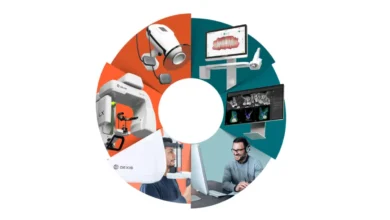
Once the teeth are clean, the orthodontist conducts a comprehensive evaluation of the final bite occlusion and overall alignment. Diagnostic records—which may include digital intraoral scans, physical plaster impressions, clinical photographs, and panoramic or cephalometric X-rays—are often captured to document the final results and compare them against initial treatment goals. Finally, the orthodontist measures and fits the patient for a custom retainer, outlining the exact protocol for wear and maintenance.
Sensations and Physical Adjustments After Removal
A common concern among patients preparing for debonding is whether the procedure will cause physical pain. Clinical consensus indicates that the removal process is largely painless. Patients may experience brief sensations of pressure, tugging, or vibration as brackets are fractured away and residual glue is polished off. These sensations are temporary, typically lasting only a few seconds per tooth.
In the hours and days immediately following the appointment, however, patients often notice mild sensitivity. The teeth and surrounding gingival tissues may feel tender as they adapt to the absence of continuous mechanical force, and minor irritation from previous gum inflammation can take a brief period to resolve. Furthermore, the tactile sensation of the mouth changes dramatically. Without brackets and wires obstructing the tongue and lips, tooth surfaces feel exceptionally smooth, and the bite may temporarily feel foreign or misaligned as the patient adjusts to the new contact points.
Another common phenomenon is temporary tooth mobility. Because teeth have recently moved through bone via cellular remodeling, it is entirely normal for them to feel slightly loose immediately after braces are removed. This slight laxity diminishes over several weeks as the periodontal ligament and alveolar bone stabilize around the roots in their new positions.
Dietary Freedom and Adaptation
One of the most anticipated aspects of getting braces off is the immediate return to a restricted-free diet. Foods that were strictly prohibited during treatment—such as whole apples, corn on the cob, hard pretzels, chewy caramels, and popcorn—can finally be reintroduced without the risk of damaging expensive orthodontic hardware.
Despite this newfound dietary freedom, dental professionals recommend an intentional, gradual reintroduction of hard and crunchy foods. Because teeth and gums may experience localized post-removal tenderness, biting directly into hard items immediately after debonding can cause unnecessary discomfort. Easing back into a normal diet over the course of a week allows the periodontal tissues to adjust comfortably. Patients using removable retainers are also advised to extract their appliances prior to consuming food or beverages other than water to prevent warping or staining.
The Indispensable Role of Retainers in Preventing Orthodontic Relapse
The single most critical factor in determining the long-term success of orthodontic treatment is compliance with retainer wear. Once active forces from braces are eliminated, teeth retain a natural biological memory and tend to drift back toward their original pre-treatment positions—a process known in the dental community as orthodontic relapse.
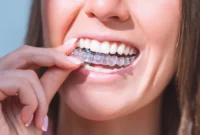
To counteract this natural tendency, orthodontists rely on retention devices to hold teeth in their corrected alignment while the surrounding bone and soft tissues fully reorganize and solidify. Retainers generally fall into two primary categories: removable appliances (such as traditional acrylic and wire Hawley retainers or clear plastic vacuum-formed trays) and fixed retainers (thin, custom-fitted wire bonded permanently to the lingual surfaces of the front teeth).
The wear schedule for retainers typically evolves over time. In the immediate post-removal phase—often spanning the first three to six months—orthodontists generally recommend full-time wear, requiring the patient to keep the retainer in place day and night, removing it only for meals, brushing, and flossing. This continuous immobilization is vital during the period when bone density is actively rebuilding around the newly positioned tooth roots.
As months and years progress, and clinical assessments confirm that the bite has stabilized, many patients transition to a nighttime-only wear schedule. Long-term compliance is paramount; failing to wear a retainer as prescribed can lead to noticeable shifting within a matter of weeks. If a retainer begins to feel exceptionally tight or fails to seat properly, patients are strongly cautioned against forcing the appliance into place, as this can place unintended stress on the teeth. Instead, scheduling an immediate evaluation with the orthodontist is the safest course of action.
Oral Hygiene and Long-Term Maintenance Protocols
Maintaining pristine oral hygiene takes on renewed importance once braces are removed. Without brackets and wires acting as traps for food debris and bacterial plaque, brushing and flossing become significantly easier and more effective. However, patients must remain vigilant to protect their newly revealed enamel from decay and gingivitis.
Daily hygiene routines should incorporate thorough brushing twice a day with a fluoride toothpaste, daily flossing to clean interproximal spaces, and proper care of the retainer itself. Removable retainers require regular cleaning with specialized non-abrasive cleansers or mild soap and cool water to prevent the buildup of calculus and bacteria.
Furthermore, patients should anticipate a series of follow-up monitoring appointments scheduled by their orthodontist over the year following debonding. These routine check-ins allow the dental team to evaluate tissue health, verify retainer integrity, monitor long-term bite stability, and intercept any early signs of unwanted movement before they compromise the aesthetic and functional results of the treatment.
When to Contact Your Orthodontist
While the transition period following the removal of braces is generally smooth, certain red flags warrant prompt professional communication. Patients should reach out to their orthodontist immediately if they experience:
- Severe, persistent, or worsening pain in the teeth or jaw joints.
- Excessive or increasing mobility in one or more teeth.
- Physical damage to the retainer, including cracks, breaks, or bent wires.
- Sudden alterations in how the upper and lower teeth meet during biting.
- Persistent irritation or bleeding of the gums that does not resolve with regular hygiene.
Early intervention by a qualified orthodontic specialist can resolve minor complications efficiently, ensuring that the substantial investment of time, effort, and resources dedicated to orthodontic treatment yields a healthy, beautiful, and permanent smile. Individuals seeking further guidance or professional assessments can consult certified specialists through professional organizations such as the American Association of Orthodontists to find localized care tailored to their unique dental anatomy.