Decoding the Dental Team: Understanding the Distinct Roles of Dentists, Orthodontists, and Oral Surgeons


Navigating the healthcare landscape can frequently feel overwhelming, particularly when patients or parents are tasked with determining the appropriate specialist for a specific medical concern. Within the realm of oral healthcare, the confusion is especially prevalent. Terms such as dentist, orthodontist, and oral surgeon are frequently used interchangeably by the general public, leading to misplaced appointments, delayed treatments, and unnecessary anxiety. However, these three professions represent distinct pathways in medical education, specialized training, and clinical practice. Understanding the precise boundaries, overlapping skill sets, and collaborative nature of these dental professionals is essential for receiving timely, effective, and targeted care.
The Evolution of Dental Specialization and Education
To comprehend why these distinctions exist, one must examine the rigorous educational pipelines that govern modern dentistry. The foundation for all three professions begins identically. An individual pursuing any of these careers must first complete an undergraduate university degree, typically focusing on sciences such as biology or chemistry. Upon graduation, candidates enter an accredited dental school lasting four intensive years.
During dental school, students undergo extensive instruction in general medicine, anatomy, pharmacology, pathology, and hands-on clinical dentistry. Upon graduation, they are awarded either a Doctor of Dental Surgery (DDS) or a Doctor of Dental Medicine (DMD). According to health education authorities, these two degrees are academically equivalent and represent the exact same level of foundational training; the variation in nomenclature is merely a preference of the specific university granting the degree.
While a general dentist enters the workforce immediately after earning a DDS or DMD, specialists choose to extend their education significantly. Orthodontists and oral surgeons undertake multi-year residencies that function similarly to medical residencies for physicians. This foundational shared heritage is precisely why patients often assume the roles are interchangeable, failing to recognize that while every orthodontist and oral surgeon is a fully licensed dentist, a general dentist is not automatically trained as an orthodontist or oral surgeon.
The General Dentist: The Frontline Provider of Oral Health
A general dentist serves as the primary care physician of the oral cavity. They are the first line of defense in diagnosing, preventing, and treating daily dental and periodontal issues. The scope of a general dentist’s practice is broad, encompassing routine preventative care, restorative procedures, and basic surgical interventions.
Typical responsibilities managed in a general dental practice include routine dental examinations, professional dental cleanings, diagnostic digital radiography, composite and amalgam restorations (fillings), root canal therapy, crown and bridge placements, simple tooth extractions, and the management of early-stage gum disease. Furthermore, general dentists play a critical role in patient education, instructing children and adults on proper brushing and flossing techniques, nutritional impacts on tooth decay, and the prevention of systemic oral health complications.
When a patient presents with a condition that falls outside the specialized scope of general dentistry—such as severe skeletal jaw discrepancies, impacted third molars, or complex malocclusions—the general dentist acts as a coordinator, providing a targeted referral to the appropriate specialist.
The Orthodontist: Masters of Alignment and Occlusion
An orthodontist is a dental specialist who has completed rigorous, full-time education beyond standard dental school. After earning a DDS or DMD, an orthodontist must be accepted into an accredited orthodontic residency program, which typically requires an additional two to three years of specialized study. This intensive residency focuses exclusively on the developmental biology of the face, the growth of the jaws, and the precise biomechanics required to move teeth safely through bone.
Because orthodontics is a recognized dental specialty governed by strict educational boards, general practitioners are legally and ethically restricted from performing comprehensive orthodontic treatments unless they have completed the required residency. Only individuals who have completed this specialized training are qualified to call themselves orthodontists.
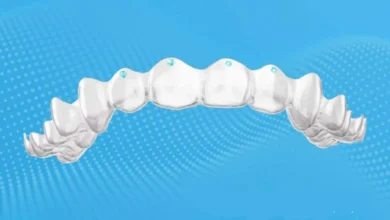
The primary focus of an orthodontist is the correction of malocclusions, commonly known as "bad bites," and the alignment of dental arches. Their daily clinical work includes designing and managing treatment plans utilizing traditional metal braces, ceramic clear aligners, palatal expanders, retainers, and specialized functional appliances designed to guide jaw growth in pediatric patients. By optimizing the alignment of the teeth and jaws, orthodontists not only improve facial aesthetics but also enhance long-term oral function, making it easier for patients to clean their teeth and reducing abnormal wear on tooth enamel.
The Oral Surgeon: Surgical Experts of the Face and Jaw
An oral and maxillofacial surgeon represents the surgical branch of dentistry, undergoing some of the most extensive training programs in the medical field. Following the completion of dental school, an oral surgeon enters a hospital-based surgical residency program lasting four to six years.
During this intensive residency, which often includes completing a medical degree (MD) in certain integrated programs, trainees work alongside medical residents in general surgery, plastic surgery, otolaryngology, and emergency medicine. Their training covers the comprehensive management of pathologies, injuries, and deformities affecting the hard and soft tissues of the mouth, jaws, face, and neck.
Because of this advanced surgical and anesthetic training, oral surgeons are uniquely qualified to perform complex procedures that require general anesthesia or intravenous sedation. Common procedures performed by oral and maxillofacial surgeons include the extraction of impacted wisdom teeth, the placement of dental implants requiring bone grafting, corrective jaw surgery (orthognathic surgery) to repair skeletal discrepancies, the treatment of facial trauma and fractures, the removal of oral pathology and biopsies of suspicious lesions, and the management of temporomandibular joint (TMJ) disorders.
Where the Professions Overlap and Where They Diverge
Despite their distinct training pathways, the day-to-day operations of dental clinics frequently intersect. All three professionals share a comprehensive understanding of dental anatomy, oral pathology, and patient physiology. Furthermore, all three operate within the broader healthcare ecosystem to restore and maintain human health.
The overlap is primarily logistical and communicative. A patient visiting a general dentist may discover an impacted canine, prompting a referral to an oral surgeon to expose the tooth, followed by a referral to an orthodontist to guide it into the correct position. In this scenario, all three practitioners communicate to ensure the treatment progresses safely.
However, the divergence in their capabilities is absolute. A general dentist is not clinically equipped to design a complex multi-year skeletal alignment plan utilizing fixed orthodontic appliances. Conversely, an orthodontist does not perform surgical jaw repositioning or complex extractions under general anesthesia. Finally, an oral surgeon focuses on surgical reconstruction, pathology, and trauma, rather than routine restorative dentistry or long-term orthodontic bite correction.
Collaborative Care: When Specialists Form a Treatment Team
While many routine dental and orthodontic cases are managed successfully by a single provider, complex clinical presentations require a coordinated, multidisciplinary team approach. Modern clinical protocols increasingly rely on interdisciplinary cooperation to achieve optimal functional and aesthetic outcomes for patients with severe dental and skeletal anomalies.
Surgical Orthodontics and Orthognathic Treatment
When a patient exhibits a severe skeletal discrepancy—such as a pronounced underbite, overbite, or asymmetrical jaw development—simple dental compensation using braces or aligners alone is often insufficient. If the upper and lower jaws are fundamentally mismatched in size or position, moving the teeth into alignment without addressing the underlying bone structure can result in unstable outcomes or compromised facial aesthetics.
In these advanced cases, an orthodontist and an oral and maxillofacial surgeon collaborate to develop a comprehensive surgical-orthodontic treatment plan. The chronology of this treatment is meticulously structured. Initially, the orthodontist utilizes braces or clear aligners to align the teeth within their respective dental arches, often flaring or uprighting the teeth to compensate for the underlying jaw misalignment. Once dental alignment is achieved, the oral surgeon performs orthognathic surgery, surgically fracturing and repositioning one or both jaws into a harmonious, balanced relationship, securing them with titanium plates and screws. Following a healing period, the orthodontist removes the appliances or performs final detailing to fine-tune the occlusion.
Making Room for Crowded Smiles and Impacted Teeth
Another frequent area of collaboration involves managing dental crowding and impacted teeth. When a patient’s jaw is too small to accommodate all permanent teeth, or when extra teeth (supernumerary teeth) obstruct the dental arch, a coordinated extraction protocol may be necessary.
An orthodontist evaluating a pediatric or adolescent patient may determine that certain extractions are mandatory to achieve a stable bite. They will coordinate with a general dentist or oral surgeon to perform the extractions at the precise physiological window to allow adjacent teeth to drift into favorable positions naturally.
Similarly, impactions—most commonly affecting upper canine teeth or third molars—require sophisticated teamwork. An impacted tooth remains trapped beneath the bone or gingiva and fails to erupt. If preservation of the tooth is prioritized, the orthodontist collaborates with an oral surgeon. The oral surgeon performs a minor surgical procedure to expose the crown of the impacted tooth, often bonding a small gold chain or bracket to its surface. The orthodontist then attaches this chain to the primary orthodontic appliance, applying gentle, continuous biomechanical traction over several months to guide the tooth down into the dental arch.
Coordinated Care During Active Orthodontic Treatment
The relationship between the general dentist and the specialist does not pause simply because a patient has begun orthodontic treatment. In fact, maintaining routine dental care during orthodontics is more critical than ever.
Orthodontic brackets, wires, and bands create numerous microscopic niches where dental plaque, food debris, and bacteria can accumulate. Without rigorous oral hygiene and frequent professional cleanings, patients face a significantly elevated risk of developing gingivitis, periodontal disease, and decalcification (white spot lesions) around their appliances. Similarly, patients undergoing clear aligner therapy must maintain strict hygiene protocols, as trapping food particles or plaque beneath an uncleaned aligner tray can accelerate the formation of dental caries.
Throughout active orthodontic treatment, the orthodontist monitors mechanical tooth movement, bite correction, and appliance integrity, while the general dentist performs routine examinations, professional prophylaxis, and early intervention for cavities or gum inflammation. This dual-provider model ensures that the patient achieves a straight, aesthetically pleasing smile without sacrificing overall oral health.
Analyzing the Implications for Patient Healthcare Decisions
Understanding the distinctions between general dentists, orthodontists, and oral surgeons carries significant implications for healthcare consumers. Navigating the healthcare system efficiently requires patients to recognize their symptoms and direct them to the appropriate provider, minimizing wasted time, redundant consultations, and out-of-pocket expenses.
Industry data indicates that early identification of orthodontic and surgical needs during childhood can drastically reduce the complexity and cost of interventions later in life. For instance, interceptive orthodontic treatment performed by a qualified orthodontist around the age of seven can guide jaw growth and eliminate the need for complex jaw surgery in adulthood. Likewise, early evaluation of third molars by an oral surgeon can prevent severe root resorption of adjacent teeth and chronic periodontal complications.
Public health analysts emphasize that patient education remains the primary barrier to efficient dental care. When consumers rely on colloquial or interchangeable terms for these distinct professions, they frequently schedule consultations with general dentists for complex surgical interventions, resulting in necessary secondary referrals. By understanding that general dentists provide preventative and restorative care, orthodontists specialize in biomechanical alignment, and oral surgeons manage complex surgical and facial pathologies, patients can advocate more effectively for their own healthcare needs.
How to Select the Right Provider for Your Specific Needs
Determining which professional to consult depends entirely on the nature of the symptoms and the ultimate objective of the treatment. Consumers can utilize a straightforward decision-making framework based on their immediate dental concerns:
For routine check-ups, professional cleanings, fillings, crowns, treatment of toothaches, or basic preventative maintenance, the appropriate first stop is a general dentist.
For concerns regarding crooked teeth, spacing issues, crowded arches, overbites, underbites, crossbites, or the desire to improve facial aesthetics through bite alignment, a consultation with an accredited orthodontist is required.
For concerns involving wisdom tooth pain, facial trauma, jaw misalignments requiring surgical correction, severe temporomandibular joint disorders, or the need for advanced dental implant placement involving bone grafting, an oral and maxillofacial surgeon is the necessary specialist.
When in doubt, the general dentist remains the most reliable entry point into the oral healthcare system. Armed with comprehensive diagnostic tools, general practitioners routinely evaluate complex presentations and issue direct, appropriate referrals to certified specialists, ensuring that every patient receives safe, evidence-based, and coordinated care tailored to their unique anatomical requirements.
Related posts: