Understanding Teeth Spacing: Causes, Medical Implications, and Modern Orthodontic Solutions


Teeth spacing, medically referred to as diastema or generalized spacing, remains one of the most frequently diagnosed orthodontic conditions affecting individuals across all age demographics. While a distinct gap between the front teeth—often called the midline diastema—is sometimes celebrated as a distinct and harmless aesthetic feature in popular culture, the broader clinical reality of teeth spacing is far more complex. Orthodontic professionals emphasize that while certain spacing issues are purely cosmetic, others can significantly compromise oral functionality, accelerate periodontal disease, and alter long-term dental alignment. According to epidemiological data from dental health organizations, mild to moderate tooth spacing affects approximately 20% of the global population, making it a central focus of modern orthodontic care, preventative dentistry, and patient education.
Defining Teeth Spacing and Clinical Classifications
Teeth spacing encompasses any noticeable gap between two or more adjacent teeth. These spaces can manifest as a single, prominent separation—most commonly observed between the upper central incisors—or as a series of multiple, generalized gaps distributed throughout the upper and lower dental arches.
In clinical practice, orthodontists categorize spacing not merely by its visual appearance, but by its underlying etiology and functional impact. Spacing can affect children during their mixed dentition phase, adolescents undergoing rapid craniofacial growth, and adults whose dental structures have shifted over decades. While minor aesthetic gaps may require no medical intervention whatsoever, spacing linked to skeletal discrepancies, jaw development issues, or missing teeth demands a comprehensive diagnostic approach. Understanding whether a gap is an isolated cosmetic variation or an indicator of an underlying malocclusion is the primary responsibility of a licensed orthodontist during an initial patient evaluation.
Common Signs and Symptoms Beyond Aesthetics
While the most immediate indicator of teeth spacing is a visible gap in the smile, patients frequently report several functional symptoms that signal a need for professional evaluation. Recognizing these signs early can prevent minor orthodontic irregularities from escalating into severe dental complications.
The most common indicators include:
- Visible Gaps: Distinct spaces of varying widths between individual teeth or clusters of teeth.
- Food Impaction: A persistent tendency for food particles to become trapped between the teeth during eating, which can be difficult to clean with standard brushing and flossing.
- Occlusal Discrepancies: Changes or instability in how the upper and lower teeth fit together, known as the bite, which can lead to uneven wear on tooth enamel.
- Phonetic Shifts: Minor speech impediments or lisps caused by air escaping through unusual gaps between the teeth during articulation.
- Periodontal Vulnerability: Increased accumulation of plaque and tartar in uncrowded, yet isolated spaces, potentially leading to localized gum inflammation.
Etiology: What Causes Gaps Between Teeth?
The development of gaps within the dental arch is rarely attributed to a single factor. Instead, teeth spacing is typically the result of a complex interplay between genetics, developmental anomalies, and external mechanical habits. Clinical research outlines several primary causes of diastemas and generalized spacing:
- Tooth-to-Jaw Size Discrepancies: If an individual’s jawbone is disproportionately large relative to the overall size of their teeth, excess physical space is naturally created, resulting in generalized spacing. Conversely, if the teeth are abnormally small—a condition known as microdontia—gaps will inevitably form even within a standard-sized jaw.
- Missing or Undersized Teeth: Congenitally missing teeth (hypodontia), such as missing lateral incisors, often force neighboring teeth to drift into the vacant space, creating noticeable gaps elsewhere in the arch. Similarly, peg-shaped or undersized permanent teeth leave surrounding areas unoccupied.
- Labial Frenum Abnormalities: The labial frenum is the fold of tissue connecting the inside of the upper lip to the gum tissue right above the front teeth. If this tissue is excessively thick or extends too low down between the front teeth, it can physically block the teeth from moving together naturally during eruption.
- Chronic Oral Habits: Prolonged childhood habits such as thumb-sucking, tongue-thrusting, or pacifier use past the age of toddlerhood exert continuous forward pressure on the front teeth. This mechanical pressure can flare the incisors outward and create prominent gaps.
- Periodontal Disease and Bone Loss: In adult populations, advanced gum disease (periodontitis) destroys the underlying alveolar bone that anchors teeth in place. As bone density decreases and structural support is compromised, teeth may begin to drift, loosen, and develop new or widening gaps later in life.
Clinical Implications: Are Gaps Between Teeth a Problem?
A central question for patients is whether identified gaps require active medical treatment. Dental professionals maintain that while minor, stable spaces are frequently benign, larger or progressively widening gaps present distinct clinical challenges.
When teeth are spaced apart, the interdental papilla—the triangular gum tissue filling the space between teeth—lacks standard lateral support, making it more susceptible to food trauma and bacterial infiltration. Over time, untreated spacing can contribute to localized gingivitis, chronic bad breath (halitosis), and increased vulnerability to periodontal disease. Furthermore, malocclusions associated with spacing can place uneven stress on the temporomandibular joints (TMJ), potentially leading to chronic jaw pain, headaches, and premature wearing of the tooth enamel.
The Diagnostic Process: How Orthodontists Evaluate Spacing
To accurately assess teeth spacing and formulate an effective treatment strategy, orthodontists conduct a thorough clinical examination. This diagnostic phase goes far beyond a visual inspection of the smile, involving a detailed analysis of dental occlusion, skeletal jaw relationships, and overall oral health.
Modern orthodontic evaluations typically incorporate advanced diagnostic tools, including:
- Digital Scans and Physical Impressions: Creating precise 3D replicas of the patient’s upper and lower dental arches to analyze bite mechanics from every angle.
- Panoramic and Cephalometric X-rays: Providing comprehensive imagery of the jawbones, tooth roots, unerupted teeth, and craniofacial structures to identify hidden developmental issues.
- Clinical Photography: Documenting facial symmetry, smile lines, and intraoral spacing to track progression and communicate treatment milestones.
By identifying the root cause of the spacing—whether skeletal, dental, or soft-tissue related—the orthodontist can tailor a predictable, long-lasting treatment plan.
Comprehensive Treatment Options for Teeth Spacing
The remediation of teeth spacing depends heavily on the severity of the gaps, the patient’s age, and underlying bite characteristics. Orthodontic science offers several proven methodologies to close gaps and harmonize the smile.
Traditional Braces for Complex Closure
Traditional fixed braces remain the gold standard for closing complex gaps, particularly when spacing is accompanied by rotational issues, crowding in other arch quadrants, or severe bite misalignment. Comprising brackets bonded to each tooth and connected by archwires, braces apply continuous, controlled pressure to guide teeth into their optimal positions. Braces are exceptionally effective across all age groups, offering clinicians absolute three-dimensional control over root positioning and gap closure.
Clear Aligners for Mild to Moderate Spacing
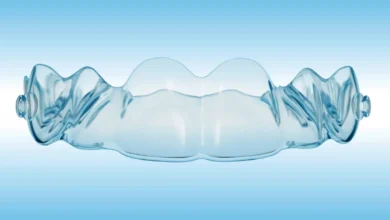
For adolescents and adults with mild to moderate spacing, clear aligner therapy has emerged as a popular and discreet alternative to traditional metal hardware. A series of custom-fabricated, removable plastic trays gradually shift teeth into alignment. Aligners offer significant lifestyle advantages, including the ability to remove the trays during meals and oral hygiene routines, though patient compliance in wearing them for 20 to 22 hours daily is essential for success.
The Vital Role of Retention
Closing gaps is only the first phase of orthodontic treatment; maintaining that closure requires equal diligence. Because dental tissues possess a biological memory and fibers in the gums tend to pull teeth back toward their original positions, retainers are mandatory following spacing treatment. Whether utilizing fixed bonded retainers placed behind the front teeth or removable clear or wire retainers worn according to an orthodontist’s schedule, consistent retention is the sole safeguard against relapse.
Interdisciplinary Dental Care
In certain complex presentations, orthodontics alone may not achieve the desired aesthetic and functional outcome. Orthodontists frequently collaborate with general dentists, periodontists, and prosthodontists to provide comprehensive care. Adjunctive treatments may include dental bonding using tooth-colored composite resin, porcelain veneers, or dental implants to replace missing teeth that originally caused the surrounding spacing.
Comparative Analysis: Spacing in Children versus Adults
The clinical approach to teeth spacing varies significantly depending on the developmental stage of the patient. In pediatric dentistry, temporary gaps—often termed "developmental spaces" or primate spaces—are completely normal in primary (baby) dentition. These natural spaces actually provide necessary room for larger permanent teeth to erupt later. However, pediatric dentists and orthodontists closely monitor these developmental phases to ensure proper transition.
In adolescents, persistent gaps that fail to close naturally as permanent teeth emerge often signal underlying skeletal or habit-driven issues that benefit from early orthodontic intervention.
In adult populations, teeth spacing presents a different clinical narrative. While adult bone tissue is denser and cellular remodeling occurs more slowly than in growing children, adult orthodontic treatment is exceptionally successful. Crucially, the sudden appearance of new gaps or the widening of existing spaces in an adult demands prompt professional evaluation. Such changes are rarely natural and frequently serve as the primary clinical warning sign of active periodontal disease, bone loss, or emerging bite instability.
When to Seek Professional Orthodontic Evaluation
Recognizing the right time to consult an orthodontic specialist can prevent minor spacing issues from developing into complex dental health problems. Patients, parents, and caregivers are advised to schedule an evaluation if they observe any of the following indicators:
- Visible and persistent gaps between permanent teeth that cause cosmetic or functional concern.
- Frequent food trapping between specific teeth during meals.
- Difficulty with biting, chewing, or speech articulation.
- Gaps that noticeably increase in size over a period of months or years.
- Early childhood oral habits, such as prolonged thumb-sucking, that persist past the age of five.
The American Association of Orthodontists (AAO) recommends that children undergo an initial orthodontic screening no later than age seven. By this age, sufficient permanent teeth have erupted to allow clinicians to detect subtle bite abnormalities, jaw discrepancies, and spacing concerns while growth modification is still possible.
Securing Professional Care Through the American Association of Orthodontists
Teeth spacing is a multifaceted orthodontic condition that ranges from a benign cosmetic trait to a complex symptom of underlying dental misalignment and bone health issues. Because effective treatment requires accurate diagnosis and specialized clinical expertise, consulting a qualified professional is the most reliable path toward a healthy, functional smile.
Individuals seeking guidance regarding teeth spacing for themselves or their children can access certified specialists through the American Association of Orthodontists. An AAO-affiliated orthodontic practice provides comprehensive diagnostic evaluations, transparent discussion of treatment modalities—from traditional braces to clear aligners—and personalized care plans tailored to individual anatomical needs. Patients are encouraged to utilize online practitioner locators to schedule an initial consultation with a certified orthodontist and take a proactive step toward long-term oral health and dental alignment.