
Korean Chicken Rice Bowl Recipe
The Ultimate Korean Chicken Rice Bowl: A Flavor-Packed Recipe for Home Cooks
The Korean chicken rice bowl, often referred to as Dak Galbi Bibimbap or simply a hearty chicken and rice dish, is a culinary cornerstone of Korean cuisine. Its appeal lies in its satisfying simplicity, the harmonious blend of savory, sweet, and often spicy flavors, and its adaptability to individual palates. This comprehensive recipe aims to guide both novice and experienced home cooks through the creation of an authentic and deeply flavorful Korean chicken rice bowl, detailing ingredient sourcing, preparation techniques, and customization options. The foundation of this dish is well-marinated, succulent chicken, cooked to perfection and served atop a bed of fluffy rice, complemented by a vibrant array of fresh and often pickled vegetables, and a signature Korean sauce. Mastering this recipe unlocks a world of Korean home cooking, offering a delicious and nutritious meal that is both comforting and exciting.
The primary component of this Korean chicken rice bowl is, of course, the chicken. For optimal results, thighs are highly recommended due to their higher fat content, which contributes to superior moisture and flavor. Boneless, skinless chicken thighs offer convenience and ease of preparation. Aim for approximately 1.5 to 2 pounds of chicken thighs to serve 4-6 people generously. The marinade is where the magic begins, infusing the chicken with quintessential Korean flavors. A robust marinade typically includes gochujang (Korean chili paste), gochugaru (Korean chili flakes), soy sauce, mirin (or rice wine), sesame oil, minced garlic, grated fresh ginger, and a touch of brown sugar or honey for sweetness and caramelization. For a more nuanced flavor, consider adding a tablespoon of fish sauce for umami depth, or a splash of rice vinegar for brightness. The marinade should be prepared at least 30 minutes in advance, and ideally, the chicken should marinate for a minimum of 2 hours, or even overnight in the refrigerator, to allow the flavors to penetrate deeply. This marination process is critical for achieving tender, flavorful chicken that is the heart of the rice bowl.
Rice serves as the essential base for any self-respecting rice bowl. Medium-grain or short-grain rice is preferred for its slightly sticky texture, which helps to bind the other ingredients. Jasmine or sushi rice are excellent substitutes if Korean rice is unavailable. Rinse the rice thoroughly under cold water until the water runs clear. This removes excess starch, preventing the rice from becoming overly gummy. The rice-to-water ratio is crucial for achieving perfectly cooked grains. Generally, a 1:1.2 ratio of rice to water is a good starting point, but this can vary slightly depending on the type of rice. Cook the rice according to package directions or using a rice cooker for consistent results. The goal is fluffy, separate grains that can absorb the flavorful juices from the chicken and vegetables. Once cooked, keep the rice warm, ideally in the rice cooker on the "keep warm" setting. The warm rice acts as a perfect canvas for the vibrant toppings.
The vegetable component of the Korean chicken rice bowl is where its visual appeal and nutritional value truly shine. A variety of textures and colors are essential. Common additions include thinly sliced carrots, zucchini, shiitake mushrooms, spinach, bean sprouts, and kimchi. For the carrots and zucchini, julienning them into thin strips ensures they cook quickly and evenly, offering a slight crunch. Shiitake mushrooms, with their earthy flavor, add a delightful depth; they can be sliced or quartered. Spinach should be blanched briefly in boiling water, then shocked in ice water to retain its vibrant green color and crisp texture. Bean sprouts offer a refreshing crunch and are also typically blanched. Kimchi, the quintessential Korean fermented cabbage, is an indispensable element, providing a tangy, spicy, and probiotic punch. Ensure you use good quality, well-fermented kimchi for the best flavor. Other potential vegetable additions include cucumber, bell peppers, or even sweet potato, all prepared in a similar julienned or thinly sliced fashion.
The cooking method for the chicken can vary, but stir-frying is the most common and efficient. Heat a tablespoon of neutral cooking oil, such as vegetable or canola oil, in a large skillet or wok over medium-high heat. Add the marinated chicken, ensuring not to overcrowd the pan. Cook in batches if necessary to allow the chicken to brown properly rather than steam. Stir-fry the chicken for 5-7 minutes, or until it is cooked through and slightly caramelized. The sugars in the marinade will create beautiful brown edges. If using bone-in chicken pieces, adjust cooking time accordingly, ensuring they are fully cooked. Once cooked, set the chicken aside. If you prefer a saucier chicken, you can reduce the remaining marinade in the pan after removing the chicken, or prepare a separate sauce to pour over the chicken.
Preparing the vegetables often involves a combination of blanching, stir-frying, and simple seasoning. Carrots, zucchini, and shiitake mushrooms can be quickly stir-fried in the same skillet used for the chicken after wiping it clean. Add a teaspoon of sesame oil and stir-fry the vegetables for 2-3 minutes until they are tender-crisp. Season lightly with a pinch of salt and pepper. Spinach and bean sprouts are best blanched. For spinach, immerse it in boiling water for 30 seconds, then immediately transfer to an ice bath. Squeeze out excess water. For bean sprouts, blanch for 1-2 minutes until tender-crisp. Some cooks prefer to lightly sauté the spinach with a little minced garlic and a dash of soy sauce for added flavor. Kimchi is typically served as is, though some recipes suggest sautéing it briefly with the other vegetables to mellow its tanginess. The key is to cook each vegetable component so it retains some of its distinct texture and flavor, creating a diverse and engaging topping.
The crowning glory of the Korean chicken rice bowl is the accompanying sauce. While the marinade imbues the chicken with flavor, a dedicated sauce adds another layer of complexity and moisture. A common and highly recommended sauce is a gochujang-based sauce. This can be a simplified version of the marinade, perhaps thickened with a little cornstarch slurry, or a more elaborate concoction. A popular choice involves mixing gochujang, soy sauce, rice vinegar, sesame oil, honey or corn syrup, and a touch of water to achieve the desired consistency. Some recipes incorporate gochugaru for extra heat, a pinch of sugar to balance the spice, and even a bit of toasted sesame seeds for nutty flavor. This sauce is typically drizzled over the assembled rice bowl just before serving. For a milder option, a soy-sesame dressing can be made with soy sauce, sesame oil, rice vinegar, and a pinch of sugar. The sauce is what ties all the elements together, providing a cohesive and satisfying flavor profile.
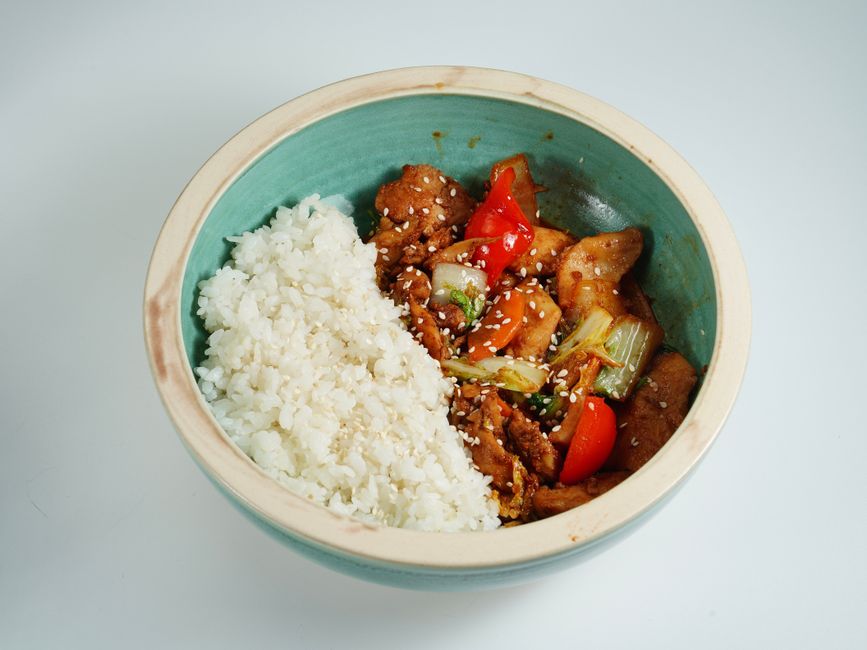
Assembling the Korean chicken rice bowl is an art form. Start with a generous portion of warm rice in a deep bowl. Artfully arrange the cooked chicken over one side of the rice. Then, create visually appealing sections of each prepared vegetable around the chicken, creating a colorful mosaic. Place the kimchi alongside the other vegetables. Drizzle the prepared sauce generously over the chicken and vegetables. Finally, garnish the rice bowl with a sprinkle of toasted sesame seeds, thinly sliced scallions, or even a fried egg with a runny yolk. The fried egg, when broken and mixed into the bowl, adds a creamy richness and further unifies the flavors. Each element should be distinct yet complementary, creating a visually stunning and gastronomically delightful experience. The order of assembly can be adapted to personal preference, but the goal is a balanced distribution of all components.
Customization is a hallmark of home cooking, and the Korean chicken rice bowl is incredibly versatile. For those who prefer milder flavors, reduce or omit the gochujang and gochugaru, and opt for a soy-based sauce. If you enjoy more heat, increase the chili flakes and consider adding a spicy oil or a dollop of sriracha. For a vegetarian or vegan version, substitute the chicken with firm tofu, tempeh, or even a medley of hearty mushrooms. Ensure the marinade and sauce are free of animal products. Different vegetables can be incorporated based on seasonal availability and personal preference; bell peppers, broccoli, or even thinly sliced sweet potato can be excellent additions. Consider adding a sprinkle of roasted seaweed flakes (gim) for an extra layer of umami and texture. The beauty of this dish lies in its adaptability to dietary needs and flavor preferences.
The nutritional profile of a well-made Korean chicken rice bowl is impressive. It offers a balanced combination of lean protein from the chicken, complex carbohydrates from the rice, and essential vitamins, minerals, and fiber from the array of vegetables. The use of fermented ingredients like kimchi also contributes to gut health. The healthy fats from sesame oil add flavor and contribute to nutrient absorption. When prepared with moderation in mind regarding added sugars and sodium, it can be a healthy and satisfying meal option. Opting for brown rice can further boost fiber content. The vibrant colors of the vegetables indicate a rich source of antioxidants.
To achieve optimal flavor and texture, attention to detail is paramount. Ensure your gochujang and gochugaru are fresh for the best spice and depth. Marinating the chicken for an adequate amount of time is crucial for tenderization and flavor infusion. Avoid overcooking the vegetables, as they should retain a slight bite. The rice should be cooked to perfection, neither too mushy nor too dry. For an extra layer of authentic flavor, consider toasting your own sesame seeds before sprinkling them as a garnish. If you have access to Korean chili oil, a small drizzle can elevate the spice and aroma of the dish. For a more elaborate presentation, consider serving the components separately in small bowls, allowing diners to assemble their own personalized rice bowls. This interactive approach can enhance the dining experience.
In conclusion, the Korean chicken rice bowl is a testament to the power of simple ingredients, expertly combined, to create a deeply satisfying and flavorful meal. This recipe, with its detailed instructions on marinating the chicken, preparing the vegetables, crafting the sauce, and artfully assembling the bowl, provides a comprehensive guide for recreating this beloved Korean dish at home. By understanding the core components and embracing the possibilities for customization, any home cook can master the Korean chicken rice bowl, transforming ordinary ingredients into an extraordinary culinary experience. The combination of savory chicken, fluffy rice, crisp vegetables, and a punchy sauce offers a delightful exploration of Korean flavors, making it a dish that is both comforting and exciting, suitable for everyday meals or special occasions.
