For decades, the orthodontic profession has operated under a foundational biological principle: light, continuous forces are superior to heavy, intermittent pressure for efficient and healthy tooth movement. While the industry saw a paradigm shift in the 1970s and 80s with the adoption of nickel-titanium archwires—which replaced stiffer stainless steel to allow for more gentle physiological tooth movement—the subsequent rise of the clear aligner market in the early 2000s initially relied on stiffer, thicker plastics. These legacy materials often necessitated high force levels to compensate for material limitations, a practice that is now being challenged by the introduction of the OrthoFX AirFlex system.
By integrating hyper-elastic polymers with a patented air-gap architecture, OrthoFX is fundamentally altering the mechanics of clear aligner therapy. This innovation is not merely a material update; it represents a comprehensive shift in how clinicians manage patient compliance, reduce chair time, and optimize the biological response of the periodontal ligament.
The Evolution of Aligner Material Science
The development of the AirFlex system was spearheaded by Loc Phan, a polymer scientist and co-founder of OrthoFX who has contributed to over 200 patents in the field of dental materials. Phan’s objective was to address the "force decay" inherent in traditional clear aligners. Conventional aligners are typically manufactured from dense, monolithic plastic. As these trays are worn, the material loses its elasticity, causing the force delivered to the teeth to drop significantly before the next tray is inserted.
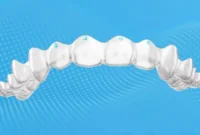
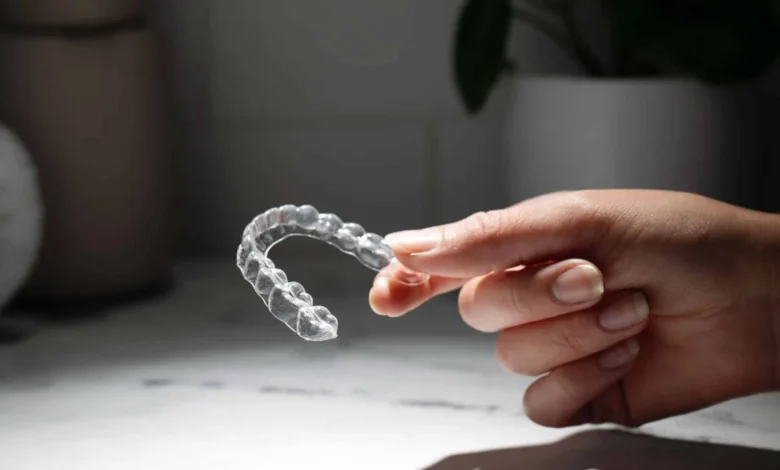
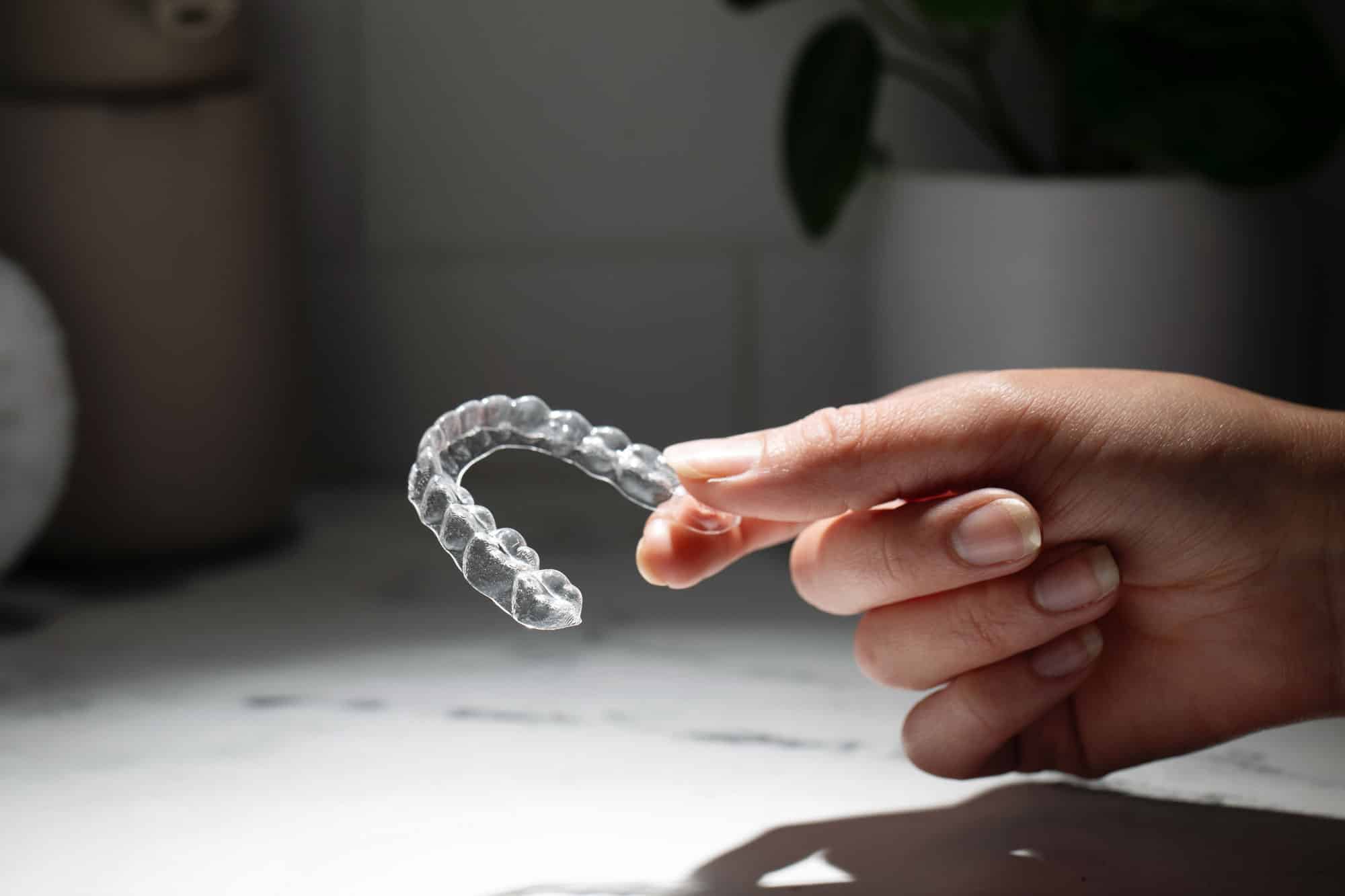
Phan’s solution involves a multi-layer polymer structure that incorporates a specialized "air gap" or spacer layer between an ultra-thin inner shell and a durable outer shell. This architecture functions similarly to high-performance footwear technology; the air gap acts as a shock absorber that stores and releases energy. When the aligner is seated, the inner layer adapts precisely to the natural undercuts of the teeth, while the air gap facilitates a constant, low-intensity force delivery.
Clinically, this means that while traditional aligners may subject a tooth to as much as 1,500 grams of force—often resulting in inflammation and cellular resistance—the AirFlex system maintains a consistent force level of approximately 200 grams. Because 200 grams is well within the optimal range for physiological tooth movement, the system achieves tracking with significantly less patient discomfort and biological trauma.
A Chronology of Clinical Adoption
The integration of AirFlex into private practice began to accelerate as orthodontists sought solutions to the "refinement bottleneck." In the early years of clear aligner adoption, practitioners often faced high rates of mid-treatment rescans. The rigidity of the plastic often led to tracking issues, particularly with complex movements like rotations or extrusions, necessitating frequent office visits and new sets of aligners.
Robert “Tito” Norris, DDS, of Stone Oak Orthodontics in San Antonio, Texas, was among the early adopters who tested the material’s efficacy through personal use. Upon comparing AirFlex to traditional, stiffer aligner brands, Norris noted a distinct difference in the sensation of seating the trays. He described the experience as “floating in,” a stark contrast to the heavy, spring-loaded tension of standard aligners.
Following this initial clinical validation, practitioners like C. William Dabney, DDS, of Dabney Orthodontics in Virginia, began implementing the system as a primary modality. Over the past three years, these clinicians have reported a marked decrease in the number of required attachments—a significant aesthetic and functional benefit. Because the thin inner layer of the AirFlex tray grips the teeth more effectively than traditional, thicker plastics, the reliance on composite "buttons" or attachments to gain leverage is reduced by roughly 50%.
Data-Driven Efficiency and Patient Compliance
The most disruptive aspect of the AirFlex system is its FDA-cleared, 12-hour minimum daily wear time. In the context of standard orthodontic protocols, which typically mandate 20 to 22 hours of daily wear, a 12-hour requirement is revolutionary. This is made possible by the material’s superior shape memory and recovery capabilities.
The impact of this shift on case acceptance cannot be overstated. Orthodontists report that parents are more likely to approve treatment plans for adolescents when they realize the aligners do not need to be worn during school hours or sports, eliminating the common conflict of lost or damaged appliances. For adult patients, the flexibility to remove aligners for extended periods during professional or social commitments significantly improves their quality of life, which in turn leads to higher overall compliance rates.
From a data-management perspective, practitioners have begun utilizing this flexibility to extend the intervals between in-office appointments. Dr. Dabney, for instance, has moved from a standard six-to-eight-week check-in cycle to 12-to-18-week intervals. This is facilitated by the combination of the AirFlex material’s sustained force delivery and the use of remote monitoring platforms like DentalMonitoring.
Addressing Clinical Pain Points
The "pain points" identified by practitioners—ill-fitting trays, frequent attachments, and the need for constant, minor adjustments—are being systematically reduced. A key component of this efficiency is the software platform’s approach to attachment placement. Unlike legacy systems that often rely on AI-prescribed, mandatory attachment protocols, the OrthoFX system provides clinicians with full autonomy. This allows doctors to customize treatment based on their own clinical assessment of the tooth morphology and desired movement, rather than being restricted by automated, one-size-fits-all algorithms.
Furthermore, the system’s ability to generate STL files directly from remote scans has streamlined the refinement process. If a clinician detects a minor tracking issue, they can order new trays based on the latest scan data, sometimes bypassing the need for an in-office visit entirely. This has led to a documented reduction in refinement rates by as much as 50% for some practices, effectively increasing the throughput of the clinic without increasing the physical burden on the staff.
Broader Industry Implications
The transition toward hyper-elastic, low-force materials signals a broader maturation of the clear aligner industry. For years, the market was driven by rapid growth and mass-market appeal; now, it is shifting toward a focus on biological efficiency and precision.
The implications for the future of the profession are twofold:
- Sustainability of Practice: Older practitioners, such as Dr. Dabney, note that the integration of such technology is essential for the sustainability of their practices. By reducing the physical and administrative stress of managing complex aligner cases, the technology allows for a more efficient and less "burnout-prone" practice environment.
- Biological Integrity: By minimizing the force levels applied to the periodontium, the use of hyper-elastic polymers reduces the risk of root resorption and other negative side effects associated with excessive orthodontic force.
While some clinicians, such as Dr. Norris, maintain a conservative approach by instructing patients to adhere to a 20-hour wear time—operating on the principle that "patient compliance will inevitably drop"—the underlying material technology provides a safety net that was previously unavailable.
As the orthodontic community continues to refine these workflows, the integration of remote monitoring with advanced material science is likely to become the new standard. The shift from high-force, high-friction systems to low-force, high-elasticity systems represents not only a technological upgrade but a return to the foundational biological principles that ensure both clinical success and patient comfort. By moving away from the era of heavy force, the orthodontic profession is entering a new chapter defined by predictable, efficient, and patient-centric care.