Achieving a healthy, balanced smile involves a complex medical journey that extends far beyond the surface appeal of straight teeth. While patients frequently hear standard instructions—such as wearing elastics, keeping aligners clean, and maintaining scheduled appointments—orthodontists often navigate an intricate set of clinical variables behind the scenes. According to data from the American Association of Orthodontists (AAO), millions of individuals undergo orthodontic treatment annually, yet many remain unaware of the comprehensive biomechanical evaluations happening beneath the surface. Understanding these hidden dimensions can significantly improve patient compliance, clinical outcomes, and long-term oral health.
The Evolution of Orthodontic Care and Modern Clinical Objectives
Historically, orthodontics was primarily viewed as a cosmetic specialty focused on correcting visibly crowded or misaligned teeth. Over the past several decades, however, the discipline has evolved into a sophisticated branch of dentistry heavily rooted in craniofacial biology, jaw orthopedics, and neuromuscular function. Modern orthodontists do not merely straighten visible structures; they coordinate the complex relationships between the upper and lower jaws, optimize functional occlusion, and preserve the long-term integrity of dental enamel and supporting periodontal tissues.
To bridge the gap between clinical intent and patient understanding, orthodontic professionals have identified ten core insights that illuminate the reality of modern treatment. These insights span diagnostic capabilities, the timeline of early interventions, the collaborative nature of patient compliance, and the critical post-treatment retention phase.
- Your Orthodontist Evaluates Functional Occlusion, Not Just Aesthetics
A visually straight smile can easily mask underlying bite discrepancies. Orthodontists analyze how the upper and lower dental arches interlock, how forces are distributed during chewing, and whether the mandibular and maxillary jaws are growing harmoniously. Improper bite alignment—such as an overbite, underbite, crossbite, or open bite—can lead to uneven tooth wear, temporomandibular joint (TMJ) disorders, and chronic muscle strain. Consequently, a treatment plan may target functional relationships rather than a single misaligned tooth noticed by the patient in the mirror.
- Diagnostic Imaging Reveals Hidden Anatomical Challenges
While physical examinations provide a baseline, advanced diagnostic tools—including panoramic radiographs, cephalometric X-rays, 3D cone-beam computed tomography (CBCT) scans, and digital intraoral scans—allow practitioners to view structures invisible to the naked eye. These images uncover impacted teeth, congenitally missing permanent teeth, supernumerary (extra) teeth, root resorption risks, and aberrant eruption paths. In pediatric patients, imaging helps specialists monitor jaw growth trajectories and identify developmental anomalies long before permanent teeth fully emerge.
- The Recommended Age 7 Checkup is Diagnostic, Not Prescriptive
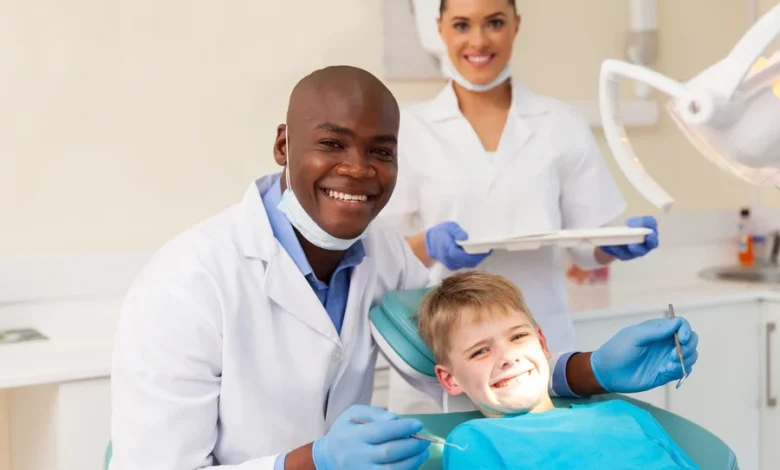
The AAO advises that children undergo an initial orthodontic evaluation by age seven. A common misconception is that this milestone signals the immediate application of braces or palatal expanders. In clinical practice, however, an early evaluation frequently results in a strategy of observation rather than immediate intervention. Orthodontists track the natural exfoliation of primary teeth, the eruption sequence of permanent teeth, and skeletal growth patterns. If intervention is unnecessary, the patient is simply monitored periodically until the optimal biological window for treatment arrives.
- Treatment Modalities Are Prescribed Based on Biomechanical Need, Not Trend
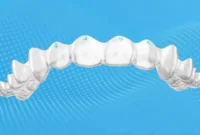
Patients often arrive at an initial consultation with a strong preference for specific appliances, such as clear aligners or traditional metal braces. However, orthodontic appliances are medical tools tailored to specific clinical requirements. Factors such as skeletal discrepancies, periodontal health, patient age, and the extent of required tooth movement dictate the appropriate appliance. Two individuals presenting with similar aesthetic concerns may require entirely different mechanics to achieve a stable, healthy result.
- Clinical Tracking Reveals Patient Compliance Realities
Orthodontists can readily assess whether treatment is progressing according to the digital or physical blueprint. When teeth fail to track correctly, or when aligners show loose fits and structural wear, clinicians can often deduce inconsistencies in wear time or elastics usage. Rather than acting as a punitive measure, honest communication regarding missed wear time or lost appliances allows the clinician to recalibrate the treatment timeline safely and effectively. Orthodontic progress relies heavily on accurate reporting rather than idealized assumptions.
- The Partnership of Daily Compliance Between Appointments
The vast majority of orthodontic treatment occurs outside the clinical office. While the orthodontist designs and periodically adjusts the treatment apparatus, the patient bears the responsibility for daily maintenance. Consistent wear of elastics, adherence to wear-time mandates for aligners, and strict avoidance of hard or sticky foods dictate the velocity and predictability of tooth movement. Occasional lapses are understandable, but chronic non-compliance inevitably prolongs overall treatment duration and can compromise the final clinical outcome.
- Protecting Enamel and Periodontal Health During Treatment
Fixed appliances such as traditional braces create numerous micro-niches where dental plaque and food debris accumulate. Without meticulous oral hygiene, patients face an elevated risk of enamel decalcification (manifesting as white spot lesions), gingivitis, and periodontal inflammation. Clear aligners, while removable, also require rigorous hygiene practices to prevent fluid trapping and subsequent decay. Orthodontists prioritize periodontal health as an essential prerequisite for moving teeth safely through bone tissue.
- The Distinct Roles of Dentists and Orthodontists
A common point of confusion involves the division of labor between general dentists and orthodontic specialists. While both professionals share a fundamental commitment to oral health, their scopes differ significantly. General dentists manage overall dental health, including routine cleanings, operative fillings, periodontal maintenance, and restorative work. Orthodontists specialize exclusively in the alignment of teeth, bite correction, and dentofacial orthopedics. Maintaining regular visits to a general dentist during orthodontic treatment is mandatory to ensure comprehensive care.
- Prompt Communication Regarding Compromised Appliances
Minor mechanical issues—such as a loose bracket, a protruding archwire, a cracked aligner, or a lost retainer—are frequently minimized by patients who prefer to wait until their next scheduled visit. However, unattended appliance failures can arrest tooth movement, permit unwanted relapse, or cause soft tissue trauma. Prompt communication with the orthodontic office ensures that minor issues are triaged correctly, preventing unnecessary setbacks in the treatment schedule.
- Retention is a Lifelong Commitment, Not a Final Step
The removal of braces or the completion of an aligner series represents a major milestone, but it does not mark the conclusion of orthodontic care. Periodontal ligaments and surrounding alveolar bone require time to stabilize in their new positions. Without retainers, natural physiological forces and age-related changes will cause teeth to crowd and shift back toward their original locations. Long-term retainer wear, as prescribed by the orthodontist, is essential for preserving the financial and biological investment of treatment.
Broader Implications and Future Outlook in Orthodontic Care
The intersection of advanced diagnostic imaging, digital treatment planning, and patient education continues to elevate the standard of orthodontic care globally. Industry analysts project sustained growth in the orthodontic appliances market, driven by an aging demographic seeking functional restorations and an increasing pediatric adoption rate facilitated by early screening guidelines.
Ultimately, successful orthodontic treatment functions as a collaborative medical partnership. By bridging the communication gap between clinical expertise and patient diligence, modern orthodontics achieves results that extend far beyond aesthetics—ensuring lifelong oral function, structural stability, and systemic health. Patients are encouraged to maintain active engagement, ask targeted questions during consultations, and adhere closely to clinical protocols to secure the best possible long-term outcomes.