August 2026 E-News: Global Developments in Paediatric Dentistry and the Countdown to the Barcelona Summit

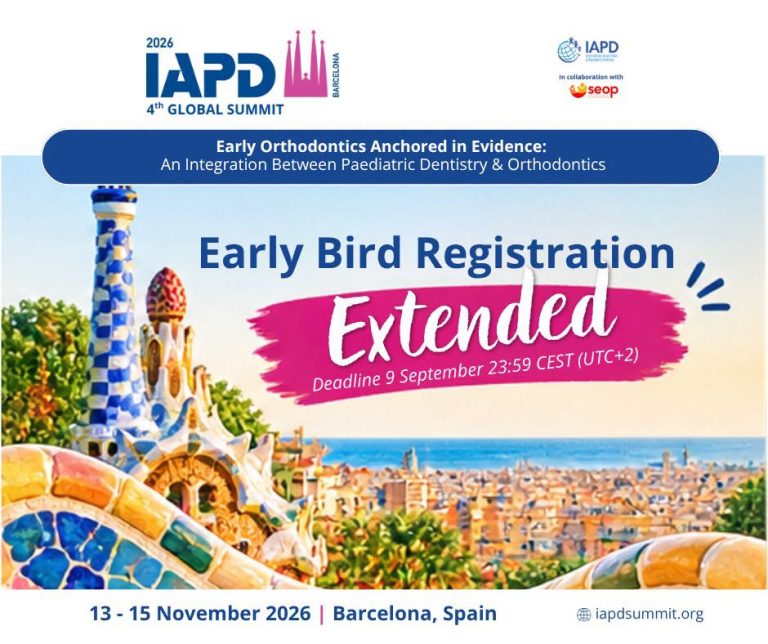
The International Association of Paediatric Dentistry (IAPD) has officially announced an extension for its Early Bird registration period for the 4th Global IAPD Summit, now set to conclude on 9 September 2026. As the global paediatric dentistry community prepares for the upcoming summit in Barcelona, the organization is streamlining logistics for international delegates while continuing to promote its core clinical recommendations and research initiatives. The summit represents a pivotal gathering for professionals dedicated to improving oral health outcomes for children worldwide, with a heavy emphasis on collaborative science and evidence-based practice.
The 4th Global IAPD Summit: Strategic Objectives and Logistics
The 4th Global IAPD Summit is positioned as a cornerstone event for 2026, aiming to bridge the gap between academic research and clinical application. Barcelona, known for its significant contributions to medical research and its state-of-the-art convention infrastructure, serves as the host city for this year’s iteration. The extension of the Early Bird deadline is viewed as a strategic move to accommodate the high volume of international participants requiring administrative lead time for travel documentation.

For international attendees, the logistics of travel—specifically visa acquisition—remain a primary concern. The IAPD secretariat has emphasized the necessity of requesting official invitation letters well in advance of travel dates. Given the complexity of current international travel regulations, the organization has implemented a dedicated support channel to facilitate these requests. Early registration not only secures a reduced financial rate but also ensures that delegates have sufficient documentation to navigate the visa application process in their respective home countries.
Clinical Standards and Evidence-Based Practice
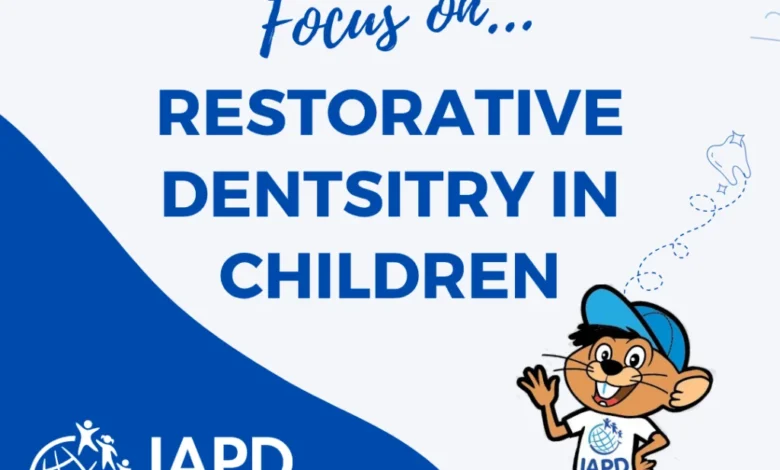
A critical component of the IAPD’s mission is the dissemination of consensus recommendations that define modern clinical standards. This month, the organization has highlighted its position on Restorative Dentistry in Children. The shift in the field has moved away from traditional "drill and fill" methodologies toward a more holistic, risk-based approach.
Contemporary management, as outlined in the IAPD consensus, requires practitioners to evaluate a child’s specific caries risk profile before determining the necessity of invasive intervention. The guidelines advocate for the use of materials such as glass ionomers, preformed metal crowns, and zirconia crowns, while stressing the importance of Atraumatic Restorative Treatment (ART) in appropriate settings. This evolution in practice reflects a broader medical consensus that prioritizes the longevity of primary teeth and the reduction of dental anxiety in pediatric patients. By emphasizing these evidence-based protocols, the IAPD aims to standardize the quality of care provided by general practitioners and specialists alike, ultimately reducing the global burden of early childhood caries.

The Fluoriders Initiative: Promoting Oral Health Through Engagement
Beyond academic research, the IAPD continues to leverage community-focused initiatives to foster better oral hygiene habits among children. The "Fluoriders" movement has gained significant momentum in the lead-up to the Barcelona summit. By utilizing digital outreach, social media, and interactive music-based challenges, the organization is attempting to modernize the way dental health messaging reaches families.
The initiative culminates on 13 November 2026, during the summit, with a global "Barcelona Brushes Together" event. The objective is to mobilize dental professionals and children globally to participate in a synchronized, two-minute brushing demonstration. From a public health perspective, such initiatives serve a dual purpose: they provide an engaging platform for children to learn proper brushing techniques and, simultaneously, they create a measurable touchpoint for clinicians to discuss the importance of fluoride and oral hygiene with parents. Data suggests that community-based oral health interventions significantly correlate with higher rates of dental attendance and reduced incidence of preventable oral diseases.
Professional Development: The Role of Webinars and Fellowships
The IAPD’s commitment to continuous professional development is evidenced by its robust calendar of educational events. The upcoming webinar scheduled for 27 September 2026, featuring Dr. Teresa Giral, addresses the clinical challenges associated with color changes in primary teeth following traumatic dental injuries. Such specialized topics are crucial for clinicians working in emergency and trauma settings, where immediate, evidence-based decision-making is essential for preserving tooth vitality.
Furthermore, the organization’s Fellowship program continues to serve as a benchmark for professional excellence. The recent cohort of fellows, who completed their examinations in 2025, represents a significant investment in the future of the specialty. The Fellowship process is rigorous, requiring a comprehensive understanding of current research and clinical methodology. By maintaining these high standards, the IAPD ensures that its members are equipped to handle the complex, multifaceted challenges of modern paediatric dentistry. Applications for the 2027 examination cycle are currently open, providing a pathway for mid-career professionals to validate their expertise on a global stage.
Scholarly Output: The September Issue of the IJPD
The International Journal of Paediatric Dentistry (IJPD) remains the primary vehicle for disseminating high-impact research. The September 2026 issue arrives at a time when the field is experiencing rapid technological advancement, particularly in digital dentistry and minimally invasive techniques. The journal’s shift toward a "digital-first" distribution model has removed historical barriers to access, allowing practitioners in resource-limited settings to stay informed of the latest developments.
For researchers and clinicians, the IJPD serves as a repository of peer-reviewed data that informs clinical guidelines. By providing access to the latest findings on topics ranging from pediatric dental materials to behavioral management techniques, the IAPD ensures that the profession remains dynamic and responsive to emerging clinical needs. The ability to track citations and download data directly through the IAPD Membership Portal facilitates a more integrated workflow, where research findings can be rapidly translated into patient care.

Global Impact and Future Implications
The cumulative effect of these initiatives—the summit, the consensus recommendations, the public health campaigns, and the scholarly publications—is a cohesive strategy designed to elevate the status of paediatric dentistry. The IAPD’s influence extends across borders, fostering a network of experts who share common clinical goals.
As the 4th Global IAPD Summit approaches, the organizational emphasis remains on sustainability and accessibility. The decision to maintain the current membership rate structures and expand digital access points is a reflection of the organization’s desire to keep the global paediatric dentistry community interconnected despite global economic fluctuations.
In summary, the IAPD is currently operating on multiple fronts to secure the future of the specialty. By focusing on the administrative needs of its members through extended registration periods, the clinical integrity of its recommendations, and the engagement of the public through the Fluoriders campaign, the association is positioning itself as a central authority in pediatric health. As the industry looks toward November 2026, the focus will remain on the intersection of science and community, with the goal of creating sustainable improvements in the oral health of children globally. Whether through attending the upcoming summit, participating in webinars, or contributing to the latest research, members of the IAPD are playing an active role in shaping the next decade of paediatric dental practice. The upcoming months will be critical in consolidating these efforts and ensuring that the momentum generated by the current initiatives translates into long-term clinical and public health success.