Parents often grapple with the uncertainty of when to introduce their children to specialized dental care, particularly regarding braces and orthodontic evaluations. A widespread misconception persists that families must wait until every primary tooth has fallen out and all permanent teeth have erupted before scheduling an initial visit to the orthodontist. According to leading dental and orthodontic authorities, this wait-and-see approach can occasionally delay the identification of developmental concerns that are more efficiently managed during early childhood. Understanding the nuances of dental maturation, jaw growth patterns, and interceptive treatments can help parents make informed decisions about their children’s long-term oral health.
The American Association of Orthodontists (AAO) maintains a standardized clinical guideline recommending that children undergo their first official orthodontic screening no later than age seven. By this developmental milestone, most children possess a combination of primary and permanent teeth, a physiological state clinically referred to as mixed dentition. This specific window provides clinicians with a clear preview of how the upper and lower jaws are growing, how the bite functions, and whether incoming permanent teeth have adequate space to emerge properly. Crucially, professional organizations emphasize that an early evaluation does not automatically translate to immediate mechanical intervention or the placement of braces. Instead, the initial appointment serves as a diagnostic baseline, allowing specialists to categorize patients into distinct management tracks: immediate interceptive treatment, scheduled periodic monitoring of ongoing growth, or confirmation that dental development is proceeding entirely without intervention.
To contextualize modern pediatric orthodontic strategies, it is helpful to examine the historical evolution of how specialists approach developing dental arches. Decades ago, standard orthodontic practice largely waited until adolescence—typically after the loss of all baby teeth—to apply fixed appliances. However, advancements in craniofacial biology and biomechanics revealed that certain skeletal discrepancies, such as narrow upper jaws, severe crowding, crossbites, and harmful oral habits like prolonged thumb-sucking, respond significantly better while active facial growth is still occurring. This realization catalyzed the widespread adoption of Phase 1, or interceptive orthodontics. Historical clinical data indicates that addressing skeletal misalignments early can reduce the necessity for complex jaw surgeries or permanent tooth extractions later in life, reshaping the modern timeline of orthodontic interventions.
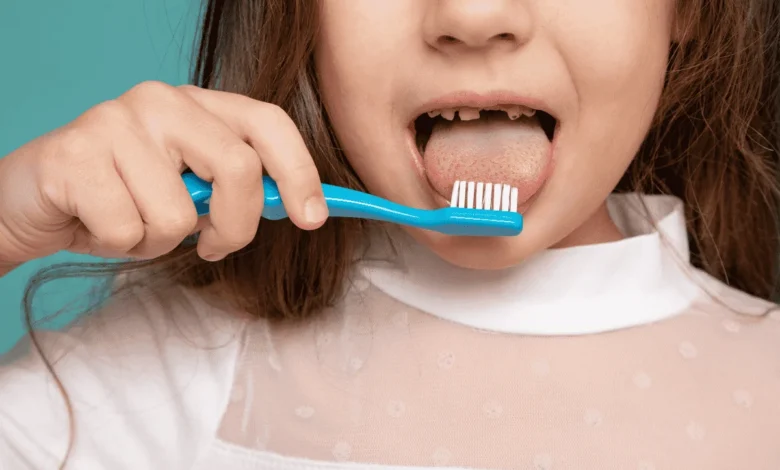
The physiological framework of dental development transitions through several distinct phases from infancy through adolescence. Primary teeth typically begin emerging around six months of age, with the full set of twenty baby teeth usually present by age three. The mixed dentition stage generally spans from approximately age six to age twelve, during which primary teeth progressively loosen, shed, and yield to thirty-two permanent adult teeth. Throughout this transition, individual variations in eruption timelines are entirely normal; however, anomalies such as the premature loss of a primary tooth due to trauma or decay, or conversely, a baby tooth retained well past its expected shedding window, can disrupt the eruption path of incoming permanent teeth. Pediatric specialists monitor these shifts closely to prevent space loss within the dental arch, which is a primary precursor to severe dental crowding.
Industry associations and clinical researchers regularly publish data highlighting the prevalence of malocclusions—commonly known as bad
bites—among school-aged children. Epidemiological studies suggest that a significant percentage of children exhibit some degree of malocclusion, ranging from mild aesthetic irregularities to functional bite misalignments that can impact chewing efficiency, speech development, and jaw joint health. Statistical analyses from public health agencies indicate that early screening protocols successfully identify skeletal discrepancies in roughly a quarter of evaluated children, allowing orthodontists to intervene before bone structures harden completely during late adolescence. This data underscores the preventive value of early assessments, shifting the paradigm from purely cosmetic alignment to comprehensive functional health.
Reflecting on these clinical insights, prominent figures within the orthodontic community frequently emphasize the collaborative nature of pediatric dental care. Dr. Ken Wright, a past president of the AAO, has frequently noted in professional forums that parents and general family dentists serve as the primary frontline observers of a child’s dental growth. Orthodontists regularly stress that families do not need a formal referral from a general dentist to seek an orthodontic evaluation. Because parents observe their children daily, they are often the first to notice shifting teeth, asymmetric smiles, or difficulties with biting and chewing. Direct access to orthodontic specialists ensures that any emerging concerns can be investigated promptly, fostering a multidisciplinary approach where pediatric dentists, orthodontists, and general practitioners coordinate care seamlessly.
The operational implications of early orthodontic evaluations extend far beyond individual patient health, influencing public health expenditure and educational outcomes. From an economic perspective, interceptive Phase 1 treatments can mitigate the financial burden associated with prolonged, complex adolescent orthodontic care or corrective jaw surgeries in adulthood. While early treatment does not universally eliminate the need for a second phase of braces once all permanent teeth have erupted, it often simplifies the secondary phase, rendering it shorter and less invasive. Furthermore, addressing functional bite issues early can alleviate chronic discomfort, reduce the risk of trauma to protruding front teeth, and enhance a child’s self-esteem during formative social years, indirectly supporting positive psychological development and school engagement.
For families navigating this terrain, recognizing the specific physical signs that warrant a professional evaluation is essential. While an appointment should occur by age seven regardless of visible symptoms, parents are advised to consult a specialist immediately if they observe crossbites where upper teeth sit inside lower teeth, severe crowding or spacing of teeth, mouth breathing associated with structural limitations, early or late loss of primary teeth, or visible shifts in the jaw when the child closes their mouth. These indicators do not automatically mandate immediate hardware installation, but they provide valuable justification for a professional diagnostic review.
Ultimately, the decision to visit an orthodontist while a child still retains baby teeth represents a proactive investment in long-term oral architecture. By moving away from the outdated notion that all primary teeth must be gone before seeking specialized care, parents can leverage modern pediatric orthodontics to guide natural craniofacial growth effectively. Whether the outcome of an early check-up is immediate interceptive appliance therapy or simply a series of reassuring observation visits over several years, early consultation ensures that every child receives a customized, timely pathway toward a healthy, functional, and confident smile.