
The day braces are removed marks a significant milestone for millions of patients worldwide, signaling the culmination of months or even years of careful orthodontic management. After enduring dietary restrictions, meticulous hygiene regimens, and periodic tightenings, patients finally reach the moment when brackets, wires, and bands are cleared away to reveal their newly aligned smiles. However, dental professionals emphasize that the removal of fixed appliances is not the absolute conclusion of the orthodontic journey, but rather the transition into a vital maintenance phase. Understanding the physiological changes, adjustment periods, and ongoing responsibilities that follow braces removal is essential for preserving long-term dental health and aesthetic results.
The Orthodontic Debanding Procedure: What Happens at the Clinic
When a patient arrives for their debanding appointment—the clinical term for removing braces—the process is typically systematic and straightforward. Orthodontists utilize specialized hand instruments designed to apply gentle, controlled pressure to deband the brackets, release the archwires, and remove any remaining orthodontic bands. During this phase, patients commonly report hearing distinct clicking noises and feeling minor pressure as the adhesive bond between the ceramic or metal brackets and the enamel is broken.
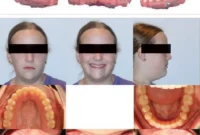
Once the hardware is cleared from the dental arches, the orthodontic team focuses on eliminating residual resin adhesive. Using specialized polishing burs and instruments, clinicians meticulously smooth the tooth surfaces to restore the natural texture and sheen of the enamel. This step is critical not only for aesthetic reasons but also for preventing plaque accumulation on rough patches of leftover cement. Following the cleaning and polishing, orthodontists frequently perform a comprehensive evaluation of the static and dynamic bite, ensuring that the upper and lower teeth intercuspidate correctly according to the original treatment plan. Diagnostic records, such as panoramic X-rays, digital intraoral scans, or clinical photographs, are often captured during this visit to document the final outcome and serve as a baseline for future retention checks.
Chronology of the Transition: From Active Movement to Retention
The transition from active orthodontic treatment to passive retention occurs in a defined chronological sequence designed to safeguard the substantial investment of time and resources spent straightening the teeth.
In the immediate hours following debanding, the patient enters the immediate adjustment window. Teeth often feel exceptionally smooth, and the absence of bulky metal hardware creates a foreign sensation when speaking or running the tongue along the dental arches. Mild discomfort, localized soreness, and heightened sensitivity to thermal changes or biting pressure frequently manifest within the first 24 to 72 hours. This occurs because the periodontal ligaments—the specialized connective tissues anchoring the teeth to the jawbone—are experiencing a shift in functional load now that passive retention forces have replaced active mechanical pressure.
Within the first few weeks, the periodontal tissues begin remodeling to support the teeth in their newly stabilized coordinates. This biological adaptation period is the most vulnerable phase for potential orthodontic relapse, as the surrounding bone and soft tissues have not yet fully calcified around the new root positions. Consequently, the consistent use of a custom-fitted retainer is mandated during this early window, with clinicians typically instructing patients to wear their appliances continuously—removing them only for meals and oral hygiene routines—for the first three to six months.
Over the subsequent months and years, the retention schedule gradually shifts into a long-term maintenance protocol. As the bone fully consolidates around the repositioned roots, many patients transition to nocturnal-only retainer wear. According to clinical consensus among orthodontic associations, lifelong intermittent retainer wear is often recommended to counteract the natural physiological tendency of teeth to migrate mesially (forward) as the human body ages.
Managing the Post-Braces Experience: Sensation, Sensitivity, and Dietary Freedom
Patients frequently harbor concerns regarding potential discomfort during and after the removal process. Clinical observations indicate that the debanding procedure itself is generally painless, though patients may experience brief sensations of squeezing, vibration, or pulling as brackets are sheared off. The subsequent polishing phase can generate mild frictional warmth or vibration, which is easily managed and temporary.
Following the appointment, transient dental and gingival sensitivity is common. Because fixed appliances can harbor plaque and complicate hygiene routines, underlying gingival inflammation often takes a few days to subside once the brackets are gone. Furthermore, teeth may exhibit increased sensitivity to hot, cold, or sugary foods as the enamel adapts to its newly exposed state. Orthodontists frequently recommend over-the-counter analgesics or desensitizing toothpastes containing potassium nitrate or stannous fluoride to alleviate these short-term symptoms.
One of the most anticipated aspects of getting braces off is the return to unrestricted dietary choices. Foods that were strictly prohibited during treatment—such as whole apples, hard pretzels, sticky caramels, and crunchy popcorn—can finally be reintroduced. However, dental professionals advise patients to exercise caution during the first week post-removal. Because teeth and supporting gums may still be tender, abruptly biting into hard or fibrous foods can cause unnecessary discomfort. Easing back into a normal diet allows the periodontal tissues to adjust comfortably to the restored biting forces.
The Critical Role of Retainers in Preventing Orthodontic Relapse
The physiological reality of the human dentition is that teeth are dynamic structures capable of movement throughout an individual’s lifetime. Without proper mechanical intervention after braces, teeth will inevitably attempt to return to their original malocclusion—a phenomenon known in the dental community as orthodontic relapse. This movement is driven by elastic fibers in the gingiva that stretch during orthodontic alignment and naturally attempt to recoil once the active appliances are removed. Additionally, normal age-related craniofacial changes, continuous jaw growth, and everyday masticatory (chewing) forces contribute to gradual dental crowding, particularly in the mandibular anterior (lower front) region.
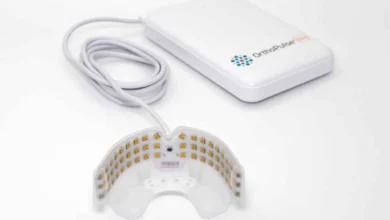
To combat relapse, orthodontists rely on custom retainers, which fall into two primary categories: removable and fixed.
- Removable Retainers: These appliances can be taken out by the patient for eating, brushing, and special occasions. They include traditional Hawley retainers, which consist of an acrylic palate base combined with a stainless steel labial wire, and clear thermoplastic retainers (such as Essix or Vivera retainers), which fit snugly over the entire dental arch like invisible aligners. Clear retainers offer superior aesthetics and comfort, whereas Hawley retainers are exceptionally durable and allow the posterior bite to settle naturally.
- Fixed Retainers (Lingual Wires): These consist of a customized braided stainless steel wire bonded directly to the lingual (tongue-side) surfaces of the front teeth, typically extending from canine to canine. Fixed retainers are particularly effective at preventing lower incisor crowding because they work 24/7 without requiring patient compliance. However, they demand meticulous oral hygiene practices, including the use of floss threaders or interdental brushes, to prevent plaque and calculus buildup around the wire.
Adhering strictly to the prescribed wear schedule is imperative. If a removable retainer is neglected for even a few days, the periodontal ligaments can permit minor dental shifting, causing the appliance to feel uncomfortably tight or refuse to seat properly. Forcing a tight retainer can damage the appliance or exert unintended pressures on the teeth, necessitating a professional evaluation by the treating orthodontist.
Oral Hygiene and Long-Term Dental Care After Orthodontic Treatment
The conclusion of orthodontic treatment represents a fresh start for dental hygiene. With brackets and wires removed, brushing and flossing become significantly less encumbered, enabling much more effective plaque control. However, maintaining pristine oral health remains paramount to protect the newly revealed enamel and support the periodontal structures.
Dental professionals recommend a comprehensive post-braces hygiene regimen:
- Brushing Twice Daily: Utilize a soft-bristled manual or electric toothbrush with fluoride toothpaste to thoroughly clean all tooth surfaces, paying special attention to the gumline where plaque tends to accumulate.
- Daily Interdental Cleaning: Employ dental floss, water flossers, or interdental brushes daily to remove food particles and bacterial biofilm from between the teeth and around fixed retainers.
- Retainer Hygiene: Clean removable retainers daily using non-abrasive cleansers, specialized retainer cleaning tablets, or mild liquid soap combined with a soft brush. Patients must avoid using hot water on clear thermoplastic retainers, as excessive heat can warp the plastic material and ruin its precise fit.
- Routine Dental Check-ups: Continue scheduling regular bi-annual professional cleanings and examinations with a general dentist to monitor overall dental health, check for decay, and assess the structural integrity of both teeth and retainers.
Broader Impact and Implications of Modern Orthodontic Completion
The broader implications of successfully completing orthodontic treatment extend far beyond superficial aesthetics. A properly aligned bite—or occlusion—distributes chewing forces evenly across the dental arches, reducing abnormal wear on tooth enamel, minimizing excessive stress on the temporomandibular joints (TMJ), and lowering the risk of chronic jaw pain or headaches. Furthermore, properly aligned teeth are inherently easier to clean, which significantly decreases the long-term incidence of gingivitis, periodontal disease, and dental caries.
From a psychosocial perspective, the removal of braces and the unveiling of a straight, healthy smile frequently correlate with measurable enhancements in self-esteem, social confidence, and professional presentation. Clinical psychology studies consistently indicate that perceived dental attractiveness plays a notable role in interpersonal interactions and personal well-being. By ensuring that patients are well-educated on retention protocols and long-term care, modern orthodontics successfully transitions patients from a state of clinical correction to a lifetime of sustainable oral health and confident smiling.