Polish Bean and Sauerkraut Soup: A Taste of Polish Tradition
Polish bean and sauerkraut soup sets the stage for this enthralling narrative, offering readers a glimpse into a story that is rich in detail and brimming with originality from the outset. This hearty soup, a staple in Polish cuisine, has a history as rich and flavorful as its broth.
It’s a dish that embodies the spirit of Polish culinary tradition, passed down through generations and cherished for its comforting warmth and robust flavors.
From its humble beginnings to its modern-day interpretations, Polish bean and sauerkraut soup has evolved alongside Polish culture, reflecting the country’s history, geography, and the ingenuity of its people. This soup is more than just a meal; it’s a window into Polish heritage, a testament to the enduring power of food to connect us to our past and our roots.
Cultural Significance and Traditions
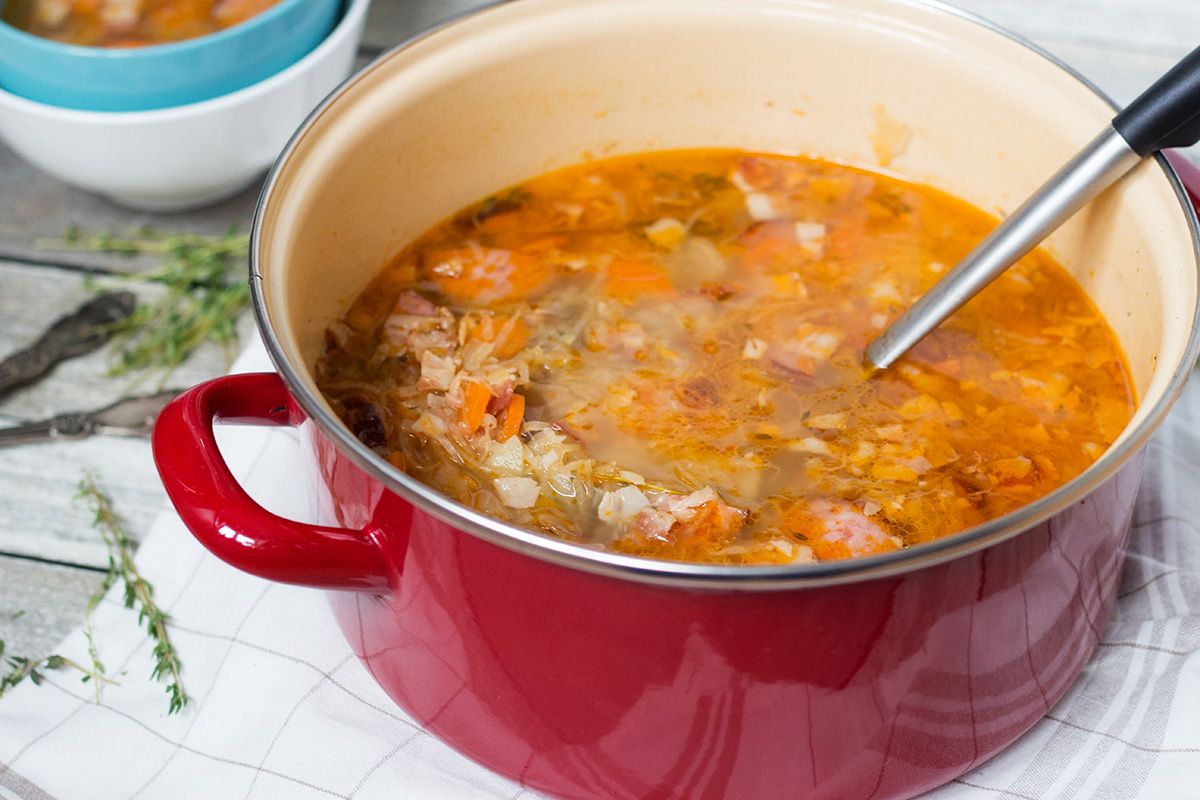
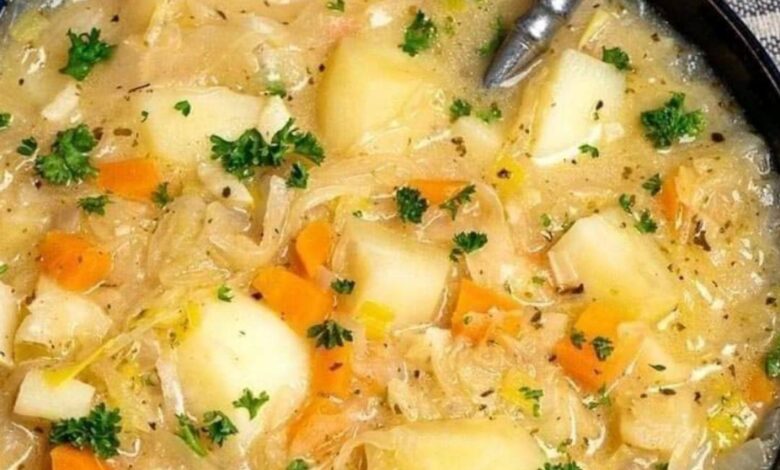
Polish bean and sauerkraut soup, often referred to as “zupa grochowa z kapustą kiszoną,” holds a special place in Polish cuisine, reflecting the country’s rich culinary heritage and deeply rooted agricultural traditions. This hearty and flavorful soup is not just a staple dish but also a symbol of comfort, nourishment, and shared meals that bring families and communities together.
Polish bean and sauerkraut soup is a hearty and comforting dish, perfect for a chilly evening. While it’s a classic, I find myself craving something lighter and brighter sometimes, like a grilled chicken lentil and peach salad. The sweetness of the peaches and the tangy dressing really balance out the savory flavors of the lentils and chicken, making it a refreshing change of pace.
But, when I’m back in the mood for something warm and satisfying, I always come back to my trusty pot of Polish bean and sauerkraut soup.
Role in Polish Culture and Traditions
The soup’s presence in Polish culture is deeply intertwined with the country’s history and agricultural practices. Beans and sauerkraut, both readily available and affordable ingredients, have long been essential components of Polish diets, particularly in rural areas. The soup’s origins can be traced back to the Middle Ages, where it served as a simple yet nutritious meal for peasants and farmers.
Polish bean and sauerkraut soup is a hearty and comforting meal, especially on a chilly day. The combination of smoky kielbasa, tangy sauerkraut, and tender beans is a classic for a reason. If you’re looking for a quick and easy way to add protein to your soup, check out these 7 quick recipes using hard boiled eggs.
Hard boiled eggs are a great addition to Polish bean and sauerkraut soup, adding a satisfying texture and a boost of protein. You can slice them into the soup before serving, or even add them to a sandwich for a hearty lunch.
Over time, Polish bean and sauerkraut soup evolved into a cherished family dish, often prepared during colder months as a source of warmth and sustenance. Its popularity has extended beyond the kitchen, becoming a symbol of Polish identity and a cherished part of the country’s culinary heritage.
Culinary Significance
Polish bean and sauerkraut soup, affectionately known as “kapuśniak z fasolą,” is a testament to the resourceful nature of Polish cuisine. It exemplifies the art of transforming humble ingredients into a hearty and flavorful dish, reflecting the importance of practicality and resourcefulness in Polish culinary traditions.
The Importance of Bean and Sauerkraut Soup in Polish Cuisine, Polish bean and sauerkraut soup
This soup stands as a cornerstone of Polish culinary heritage, embodying the values of simplicity, resourcefulness, and comfort. Its presence on Polish tables throughout the year highlights its versatility and adaptability.
- A Staple for Everyday Meals:Its humble origins and ease of preparation make it a staple for everyday meals, especially during colder months when warmth and nourishment are essential.
- A Culinary Legacy:Passed down through generations, it represents a culinary legacy, connecting families to their cultural roots and fostering a sense of tradition.
- A Symbol of Comfort and Nourishment:Its hearty nature and warming flavors provide comfort and nourishment, offering a sense of satisfaction and well-being.
Comparison with Other Popular Polish Soups
Polish cuisine boasts a diverse range of soups, each with its unique character and place in the culinary landscape. Bean and sauerkraut soup holds its own, offering a distinct flavor profile that sets it apart from its counterparts.
- Zupa ogórkowa (Cucumber Soup):While both soups are typically served with potatoes, cucumber soup is lighter and features a refreshing, tangy flavor profile. It’s often enjoyed during warmer months.
- Rosół (Chicken Broth):A classic Polish soup, rosół is renowned for its rich, flavorful broth and delicate meat. It’s a staple at special occasions and holidays, representing a symbol of tradition and family gatherings.
- Żurek (Sour Rye Soup):This tangy and hearty soup is often served with sausage and boiled egg. It’s a popular choice during the Easter season, embodying the festive spirit of the holiday.
Final Wrap-Up: Polish Bean And Sauerkraut Soup
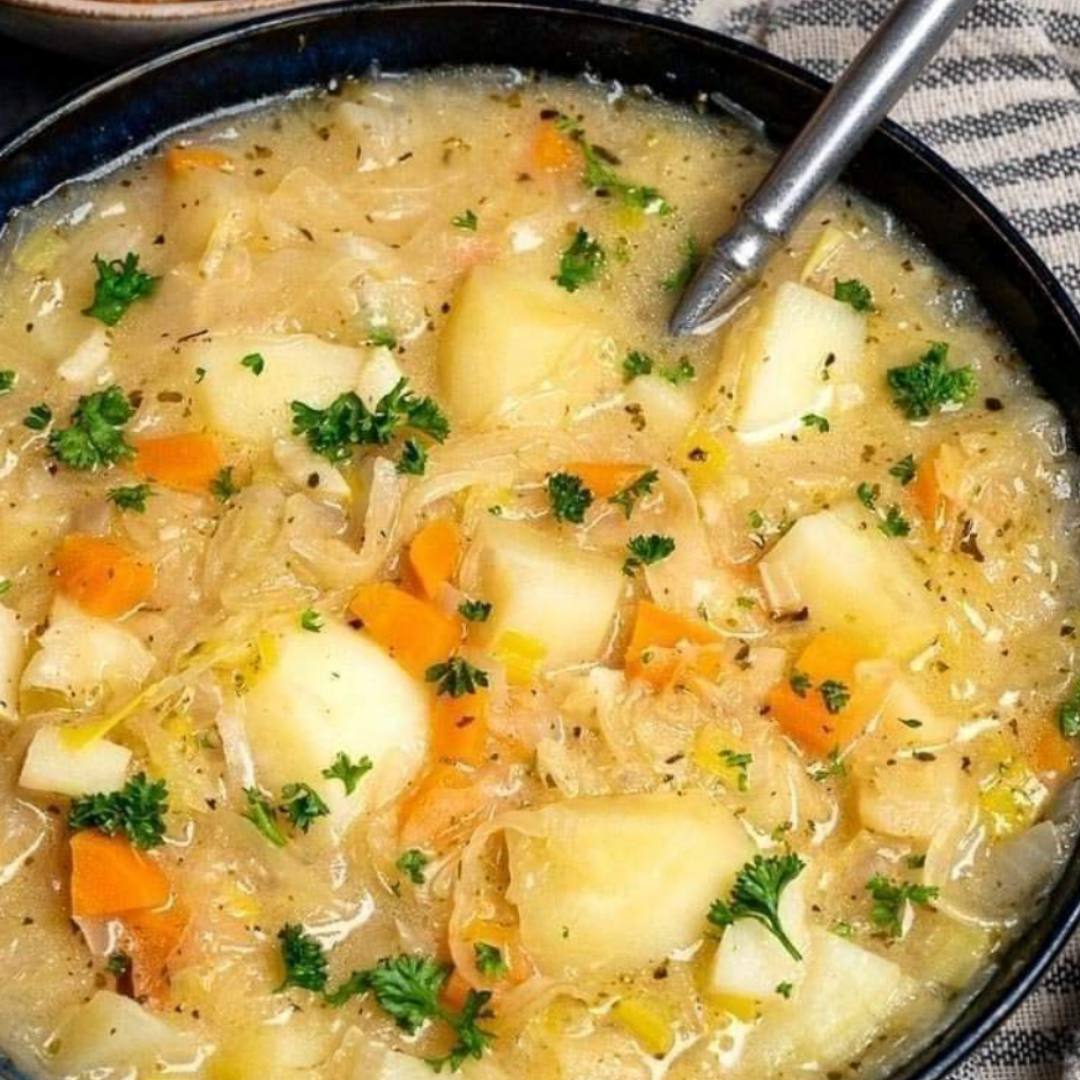
Polish bean and sauerkraut soup is a testament to the enduring power of culinary tradition. It’s a dish that has stood the test of time, evolving with the changing landscape of Polish culture while remaining true to its roots.
Whether enjoyed in a traditional Polish home or reimagined in a modern kitchen, this soup continues to captivate palates and inspire culinary creativity. So next time you’re looking for a comforting and flavorful meal, consider making this classic Polish dish.
You’ll be transported to the heart of Polish culture, one spoonful at a time.
Polish bean and sauerkraut soup is a hearty and comforting meal, but sometimes I crave something lighter. That’s when I turn to a low fat high protein chicken salad 5 ways for a satisfying lunch or dinner. The chicken salad is packed with protein and flavor, and it’s a great way to use up leftover chicken.
After a light chicken salad, I always find myself craving that warm, tangy goodness of the Polish bean and sauerkraut soup again.