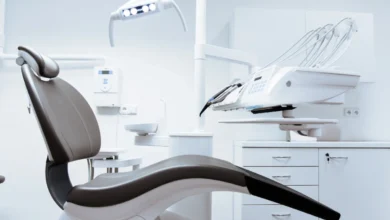
Stepping into an orthodontic office for the very first time can naturally evoke a sense of anticipation and mild apprehension. Whether exploring treatment options for a growing child or considering adult realignment to improve oral hygiene, patients often harbor questions about what the initial consultation entails. According to guidance released by the American Association of Orthodontists (AAO), the initial visit is designed to be a collaborative, educational, and low-stress experience. Rather than jumping straight into procedures, the first appointment serves as a comprehensive fact-finding mission, allowing specialists to evaluate dental structures, understand patient goals, and map out a customized pathway toward long-term oral health.
Understanding the broader context of orthodontic care underscores why this initial meeting is so critical. Modern orthodontics extends far beyond aesthetic improvements. While achieving a straight, confident smile remains a primary goal for many patients, clinical data demonstrates that properly aligned teeth and jaws are vital for functional health. Misaligned bites—clinically known as malocclusions—can lead to uneven tooth wear, chronic jaw pain, difficulties with chewing, and speech impediments. Furthermore, crowded or overlapping teeth present significant challenges during routine brushing and flossing, increasing the long-term risk of tooth decay, gingivitis, and periodontal disease. By addressing these foundational issues early, orthodontic treatment acts as a preventative investment in a patient’s overall physical well-being.
To help prospective patients navigate this milestone with confidence, the AAO has outlined a structured framework of what typically transpires during a first visit. Far from being a chaotic or unpredictable encounter, the appointment follows a logical, step-by-step chronology intended to demystify the entire process.
The journey actually begins before stepping foot in the clinic, during the preparation phase. To ensure the consultation runs as efficiently as possible, patients are generally advised to gather pertinent medical and dental records. Bringing along dental insurance cards, completed medical history forms, and any recent panoramic X-rays or referral slips from a general dentist allows the orthodontic team to hit the ground running. This preliminary administrative work ensures that the subsequent clinical evaluation is built upon an accurate and comprehensive health profile.
Upon arrival at the clinic, the chronological flow of the appointment officially commences with the introduction and paperwork phase. Patients are welcomed by the front office staff, who collect any remaining demographic details, emergency contact numbers, and health history questionnaires. This documentation is not mere bureaucracy; it provides essential clinical context. For instance, specific systemic health conditions, allergies, or past dental traumas can heavily influence how an orthodontist approaches a treatment plan, ensuring patient safety and comfort at every turn.
Following the administrative intake, the appointment transitions into the clinical core: the initial examination. The patient meets the orthodontist, who performs a thorough, hands-on visual assessment of the teeth, facial symmetry, jaw alignment, and bite pattern. To supplement this physical inspection, the clinic typically utilizes advanced diagnostic imaging tools. Depending on the practice’s technology stack and the patient’s specific needs, these tools may include digital intraoral scanners to create precise 3D models of the dental arches, low-radiation digital photographs, and specialized X-rays such as cephalometric or panoramic radiographs. These diagnostic assets give the specialist an unobstructed view of unerupted adult teeth, jawbone health, and root positioning.
With the examination data compiled, the third phase of the visit brings the doctor and patient together for a detailed clinical discussion. During this conversational segment, the orthodontist breaks down the diagnostic findings in plain language. If issues such as overbites, underbites, crossbites, or severe crowding are detected, the specialist explains their underlying mechanics and potential long-term consequences if left untreated. This is also the optimal window for patients and parents to voice questions, express aesthetic preferences, and discuss lifestyle considerations—such as whether they prefer traditional metal braces, ceramic brackets, or removable clear aligners.
Building directly on this dialogue, the fourth stage involves the formulation and presentation of a personalized treatment plan. Orthodontics is rarely a one-size-fits-all discipline; therefore, the proposed strategy is meticulously tailored to the individual’s unique biological framework and personal schedule. The treatment plan details the recommended corrective appliances, the projected timeline for active treatment—which typically ranges anywhere from 12 to 36 months depending on complexity—and the expected clinical outcomes. The specialist will also transparently outline any potential risks, such as root resorption or the temporary discomfort associated with appliance adjustments.
Once the clinical roadmap is established, the appointment shifts from medical considerations to logistical and financial planning. The financial consultation represents the fifth phase of the visit. Navigating the cost of orthodontic care can be a source of stress for many households, which is why specialized treatment coordinators walk patients through the economic breakdown. This discussion covers total costs, insurance benefits and maximums, flexible monthly payment plans, and potential family discounts or low-interest financing options. Providing this transparency ensures that patients can make fully informed financial decisions before committing to the process.
The sixth step in the sequence is scheduling. With a clear understanding of the treatment scope and financial commitments, the patient and coordinator select the dates for upcoming visits. This usually includes booking the bonding appointment—where the braces are officially placed or the first set of aligners is dispensed—marking the formal commencement of the active treatment phase.
Finally, depending on the complexity of the case or the developmental stage of a younger patient, a follow-up or observation schedule may be established. In pediatric cases, for instance, an orthodontist might recommend a "watch and wait" approach, bringing the child in for periodic monitoring every six to twelve months until their permanent teeth erupt sufficiently for intervention.
Industry stakeholders and dental professionals frequently emphasize the broader implications of these initial consultations. Public health analysts note that early diagnostic assessments can significantly reduce the severity of complex orthodontic problems later in life, potentially shortening treatment durations and lowering cumulative healthcare costs. Furthermore, organizations like the AAO continue to advocate for public education to dismantle common anxieties associated with dental visits, reinforcing the message that modern orthodontic technology is vastly more comfortable, efficient, and discreet than it was in previous decades.
Ultimately, navigating the first orthodontic appointment is an empowering experience rather than a daunting trial. By understanding the step-by-step evolution of the visit—from paperwork and diagnostic imaging to financial consultation and treatment scheduling—individuals can approach the chair with clarity and confidence. Taking that initial step toward a qualified specialist lays the groundwork not only for an aesthetically pleasing smile, but for lasting oral health, improved dental function, and enhanced self-assurance for years to come.
Related posts: