
Lemon Chicken Asparagus Stir Fry
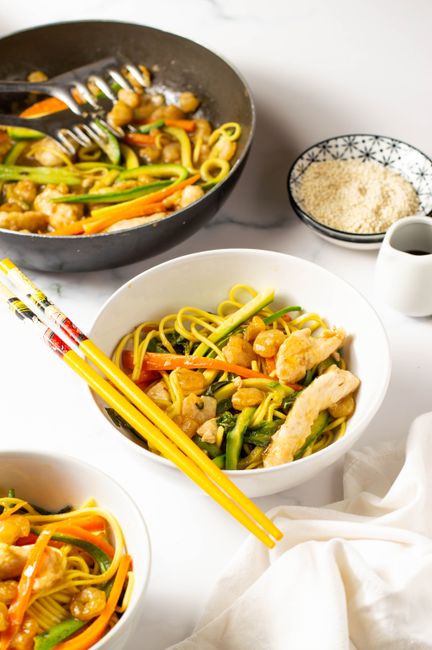
Lemon Chicken Asparagus Stir Fry: A Quick, Healthy, and Flavorful Weeknight Meal
This lemon chicken asparagus stir fry is a culinary triumph of simplicity and taste, designed for the discerning home cook seeking efficient, nutritious, and incredibly delicious meals. The dish marries tender chicken breast, crisp asparagus, and the bright zest of lemon into a harmonious symphony of flavors and textures. It’s a perfect example of how a few quality ingredients, prepared with thoughtful technique, can yield a restaurant-worthy experience in the comfort of your own kitchen. The fundamental appeal lies in its speed; it’s a genuine 20-minute meal from start to finish, making it an ideal solution for busy weeknights or when time is of the essence but flavor and health cannot be compromised. The preparation involves minimal chopping and a rapid stir-frying process that locks in nutrients and maintains the vibrant integrity of each component. This article will guide you through the nuances of creating this exceptional dish, covering ingredient selection, preparation techniques, cooking methodology, flavor enhancement, and serving suggestions, all optimized for search engine visibility.
Understanding the Core Components for Optimal Flavor and Texture
The success of this lemon chicken asparagus stir fry hinges on the quality and preparation of its primary ingredients: chicken, asparagus, and the lemon. For the chicken, opt for boneless, skinless chicken breasts. These cook quickly and evenly, absorbing marinades and sauces beautifully. Uniformity in slicing is paramount. Aim for thin, bite-sized pieces, approximately ¼ inch thick and 1-2 inches long. This ensures even cooking, preventing dry, overcooked chicken while guaranteeing tender, succulent morsels. A brief marination is key to infusing flavor and tenderizing the chicken. A simple marinade of soy sauce (or tamari for a gluten-free option), a touch of sesame oil, cornstarch (or arrowroot starch for gluten-free), and a pinch of white pepper works wonders. The cornstarch not only adds flavor but also creates a light coating that fries to a delicate crisp, creating a delightful textural contrast.
Asparagus, the verdant jewel of this dish, requires careful selection and preparation. Choose firm, bright green spears with tightly closed tips. Thicker spears can be slightly woody at the base, so trimming is essential. Snap off the tough, woody ends by gently bending each spear; it will naturally break at the point where it becomes tender. The remaining, tender portion can be cut into 1-2 inch pieces, ensuring they are roughly the same size as the chicken for even cooking. If you encounter very thick asparagus spears, consider slicing them lengthwise for more rapid cooking and better integration into the stir fry. The goal is to achieve a tender-crisp texture – yielding to the bite with a slight, refreshing crunch. Overcooked asparagus becomes mushy and loses its vibrant color and health benefits.
Lemon, the star of the citrus family, provides the essential bright, zesty counterpoint to the richness of the chicken and the earthiness of the asparagus. Fresh lemons are non-negotiable. Zest the lemon before juicing it; the zest contains the flavorful oils and adds an intense citrus aroma and taste. Use a microplane grater for fine zest. The juice of the lemon will form the base of the sauce, cutting through the savory elements and adding a refreshing lift. The quantity of lemon can be adjusted to personal preference, but a good starting point is the juice and zest of one medium-sized lemon.
The Art of the Stir-Fry: Mastering High-Heat Cooking
Stir-frying is a rapid cooking technique that relies on high heat and constant movement. This method is ideal for delicate ingredients like chicken and asparagus, as it sears them quickly, locking in moisture and nutrients. A wok is the traditional vessel for stir-frying, its sloped sides allowing for efficient tossing and even heat distribution. However, a large, heavy-bottomed skillet or a cast-iron pan can also be used effectively. The key is to ensure the pan is sufficiently hot before adding any ingredients.
The cooking process for this lemon chicken asparagus stir fry is sequential and time-sensitive. First, heat your wok or skillet over high heat until it begins to smoke lightly. Add a high-smoke-point oil, such as peanut oil, vegetable oil, or avocado oil. Swirl the oil to coat the bottom of the pan.
Next, add the marinated chicken in a single layer. Resist the urge to overcrowd the pan; this will lower the temperature and steam the chicken instead of searing it. Cook in batches if necessary. Stir-fry the chicken for 2-3 minutes per side, until it is golden brown and almost cooked through. Remove the chicken from the wok and set it aside.
Now, add a little more oil to the hot wok if needed. Add the prepared asparagus. Stir-fry the asparagus for 2-4 minutes, or until it is bright green and tender-crisp. You want it to retain a slight bite. If the asparagus is very thick, you might add a tablespoon of water or chicken broth and cover the wok briefly to help it steam and cook through more quickly. Once the asparagus reaches your desired texture, remove it from the wok and set it aside with the chicken.
Crafting the Luscious Lemon Sauce: A Symphony of Flavors
The sauce is the soul of any stir-fry, and in this lemon chicken asparagus dish, it’s a vibrant, zesty concoction. The base of the sauce is the fresh lemon juice and zest. To this, we add savory depth with soy sauce (or tamari), a touch of sweetness to balance the acidity with honey or maple syrup, and a hint of umami from garlic and ginger.
Finely mince fresh garlic cloves and grate fresh ginger. These aromatics are crucial for building a complex flavor profile. Add a little more oil to the hot wok, then add the minced garlic and grated ginger. Stir-fry for about 30 seconds until fragrant, being careful not to burn the garlic.
In a small bowl, whisk together the lemon juice, lemon zest, soy sauce (or tamari), honey (or maple syrup), and a teaspoon of cornstarch (or arrowroot starch). This cornstarch slurry will act as a thickener, creating a glossy, cohesive sauce.
Pour the sauce mixture into the wok with the garlic and ginger. Stir continuously as the sauce heats and thickens, which should only take about 1-2 minutes. It should achieve a glossy consistency, coating the back of a spoon.
Bringing It All Together: The Final Assembly and Serving
Once the sauce has thickened, return the cooked chicken and asparagus to the wok. Toss everything together to coat evenly with the lemon sauce. Continue to cook for another 1-2 minutes, allowing the chicken to finish cooking through and the flavors to meld beautifully. Ensure the chicken is cooked to an internal temperature of 165°F (74°C).
This is the crucial stage where the dish transitions from individual components to a cohesive masterpiece. The residual heat from the wok will finish cooking the chicken and allow the sauce to cling to every piece. The aroma at this point should be intoxicatingly bright and savory.
For an extra layer of flavor and visual appeal, consider adding toasted sesame seeds and thinly sliced scallions (green onions) just before serving. The sesame seeds provide a nutty crunch, and the scallions add a fresh, mild oniony bite.
Serving Suggestions and Variations for a Customizable Experience
This lemon chicken asparagus stir fry is incredibly versatile and can be served in a multitude of ways. The most classic accompaniment is steamed rice, which provides a neutral canvas for the vibrant flavors of the stir-fry. Brown rice or quinoa can also be excellent choices for added fiber and nutrients.
For a lighter, low-carbohydrate option, serve the stir-fry over cauliflower rice or zucchini noodles. The bright, zesty sauce pairs exceptionally well with the mildness of these alternatives.
Beyond the foundational ingredients, this recipe is a fantastic base for culinary exploration. Consider these variations:
- Vegetable Additions: Incorporate other quick-cooking vegetables such as bell peppers (sliced thinly), snap peas, broccoli florets (blanched briefly), or mushrooms (sliced). Add these vegetables in stages according to their cooking times. For example, harder vegetables like broccoli might be added slightly before the asparagus.
- Spicy Kick: Introduce a touch of heat by adding a pinch of red pepper flakes to the sauce mixture or by including thinly sliced jalapeño or Serrano peppers with the garlic and ginger.
- Nutty Crunch: Beyond sesame seeds, consider adding a sprinkle of toasted cashews or slivered almonds for an additional textural element.
- Different Protein: While chicken is traditional, this stir-fry base works well with thinly sliced pork tenderloin, shrimp, or firm tofu (ensure tofu is pressed and pan-fried until golden before adding).
- Herbaceous Finish: A sprinkle of fresh cilantro or parsley just before serving can add another layer of freshness and visual appeal.
SEO Optimization Strategies for Visibility
To ensure this recipe reaches the widest possible audience seeking quick, healthy, and flavorful meals, several SEO strategies have been employed.
- Keyword Integration: The title and throughout the article, core keywords like "lemon chicken asparagus stir fry," "quick stir fry," "healthy chicken recipe," "easy weeknight meal," and "20-minute dinner" are strategically placed. Long-tail keywords such as "how to make lemon chicken stir fry" and "best asparagus chicken recipe" are also naturally integrated.
- Clear and Concise Headings: Using descriptive headings and subheadings (e.g., "Understanding the Core Components," "The Art of the Stir-Fry," "Crafting the Luscious Lemon Sauce") breaks down the content, making it easy for both users and search engines to understand the article’s structure and relevance.
- Detailed Descriptions: Each section provides comprehensive information, answering potential user queries and offering valuable insights, which encourages longer dwell times on the page – a positive signal for search engines.
- Instructional Clarity: The step-by-step instructions are written in a clear, actionable manner, making the recipe easy to follow and increasing the likelihood of positive user engagement and sharing.
- Ingredient Specificity: Mentioning specific ingredients and preparation methods (e.g., "boneless, skinless chicken breasts," "finely mince fresh garlic") helps to capture more targeted search queries.
- Nutritional Focus: Highlighting the health benefits and quick preparation time appeals to users searching for "healthy recipes," "low-calorie dinners," or "quick healthy meals."
- Variations and Serving Suggestions: These sections add depth and breadth to the content, catering to a wider range of user needs and search intents, such as "stir fry with vegetables" or "chicken and asparagus dinner ideas."
By focusing on providing high-quality, detailed, and user-friendly content that naturally incorporates relevant keywords, this lemon chicken asparagus stir fry recipe is positioned to rank well in search engine results, attracting individuals looking for a delicious and efficient meal solution. The emphasis on practical advice, clear instructions, and customizable options ensures that readers find immense value, ultimately leading to increased engagement and organic traffic.