
Paleo Coconut Flour Cookies With Collagen
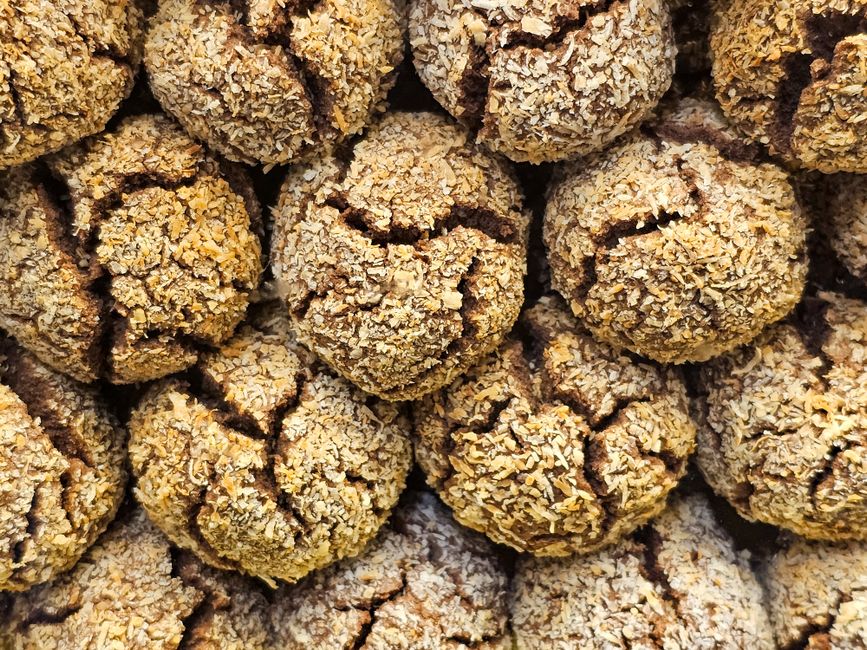
Paleo Coconut Flour Cookies with Collagen: A Nutrient-Dense, Guilt-Free Treat
This article delves into the creation and benefits of paleo coconut flour cookies infused with collagen. We will explore the science behind collagen’s advantages, the suitability of coconut flour for paleo diets, the synergistic relationship between these ingredients, and provide a detailed recipe, troubleshooting tips, and creative variations. The focus is on a nutrient-dense, satisfying, and allergy-friendly baked good that aligns with ancestral eating principles.
Collagen, the most abundant protein in the human body, is a foundational component of connective tissues, including skin, bones, tendons, ligaments, and cartilage. Its unique amino acid profile, particularly rich in glycine, proline, hydroxyproline, and hydroxylysine, plays a crucial role in maintaining structural integrity and promoting repair. As we age, natural collagen production declines, leading to common signs of aging such as decreased skin elasticity, joint discomfort, and weakened bones. Supplementing with collagen peptides, also known as hydrolyzed collagen, offers a bioavailable source of these essential amino acids, supporting numerous physiological processes.
The benefits of collagen supplementation are far-reaching and scientifically supported. For skin health, collagen peptides have been shown to improve skin hydration, elasticity, and reduce the appearance of wrinkles and fine lines. This is attributed to their ability to stimulate the body’s own collagen production and provide the building blocks for new collagen fibers. In terms of joint health, collagen’s presence in cartilage can help alleviate joint pain and stiffness, particularly in individuals with osteoarthritis. Studies suggest that collagen supplementation can improve joint function and reduce the need for pain medication. Furthermore, collagen plays a vital role in bone health by contributing to bone mineral density. Adequate collagen intake, alongside other essential nutrients like calcium and vitamin D, can help prevent osteoporosis and reduce fracture risk. Beyond these well-known benefits, collagen also supports gut health by aiding in the repair of the gut lining, promoting a healthy gut microbiome, and potentially reducing inflammation. Its presence in muscle tissue contributes to muscle mass and strength, especially when combined with exercise.
Coconut flour stands as a cornerstone ingredient in paleo baking, offering a distinct advantage over traditional grain-based flours. Unlike wheat flour, which is high in carbohydrates and gluten, coconut flour is exceptionally low in net carbohydrates and completely gluten-free. This makes it an ideal choice for individuals adhering to a paleo diet, which eliminates grains, legumes, dairy, and refined sugars. The high fiber content of coconut flour, primarily insoluble fiber, contributes to digestive health by promoting regularity and satiety. This fiber also slows down the absorption of sugars, helping to prevent blood sugar spikes, a crucial aspect for individuals managing blood sugar levels. Coconut flour is also a good source of healthy fats, primarily medium-chain triglycerides (MCTs), which are readily absorbed and utilized by the body for energy. Its nutrient profile also includes minerals like manganese, copper, and iron. The unique absorbent nature of coconut flour requires a higher liquid-to-flour ratio compared to traditional flours, a key consideration in recipe development. Its slightly sweet, nutty flavor can add a pleasant depth to baked goods.
The synergy between paleo coconut flour and collagen peptides in these cookies is where their true nutritional power lies. By combining these ingredients, we are creating a treat that is not only compliant with paleo principles but also actively supports bodily functions associated with aging, recovery, and overall well-being. The coconut flour provides a low-carb, gluten-free base, offering fiber and healthy fats for sustained energy. The collagen peptides, readily absorbed and incorporated into the cookie structure, deliver essential amino acids that can contribute to improved skin, joint, bone, and gut health. This makes these cookies a sophisticated snack, moving beyond mere indulgence to offer tangible nutritional benefits. For those seeking to optimize their health through diet, these cookies represent a delicious and practical way to incorporate collagen into their daily routine without compromising on taste or dietary restrictions.
Paleo Coconut Flour Cookies with Collagen Recipe
This recipe yields approximately 12-15 cookies.
Ingredients:
- 1/2 cup organic coconut flour
- 1/4 cup unflavored collagen peptides (hydrolyzed collagen)
- 1/4 teaspoon baking soda
- 1/4 teaspoon sea salt
- 1/4 cup melted coconut oil (or ghee for strict paleo)
- 1/4 cup maple syrup (or honey, or sugar-free liquid sweetener like erythritol/stevia blend for lower carb)
- 1 large egg, at room temperature
- 1 teaspoon vanilla extract
- Optional add-ins: 1/4 cup sugar-free chocolate chips, chopped nuts (pecans, walnuts), or dried cranberries (unsweetened).
Equipment:
- Large mixing bowl
- Whisk
- Spatula
- Baking sheet
- Parchment paper
Instructions:
- Preheat Oven and Prepare Baking Sheet: Preheat your oven to 350°F (175°C). Line a baking sheet with parchment paper.
- Combine Dry Ingredients: In the large mixing bowl, whisk together the coconut flour, collagen peptides, baking soda, and sea salt. Ensure there are no clumps of coconut flour.
- Combine Wet Ingredients: In a separate small bowl, whisk together the melted coconut oil (or ghee), maple syrup (or chosen sweetener), egg, and vanilla extract until well combined.
- Combine Wet and Dry: Pour the wet ingredients into the bowl with the dry ingredients. Use a spatula to mix until a thick, dough-like consistency forms. The dough will be sticky.
- Incorporate Add-ins (Optional): If using, gently fold in your chosen add-ins until evenly distributed throughout the dough.
- Form Cookies: Drop rounded tablespoons of dough onto the prepared baking sheet. The dough will be quite soft, so using two spoons can be helpful for portioning and shaping. You can gently flatten the tops slightly with the back of a spoon or your fingers, but be careful not to overwork the dough. The cookies will not spread significantly during baking.
- Bake: Bake for 12-15 minutes, or until the edges are lightly golden brown and the centers are set. Baking time will vary depending on the size of your cookies and your oven.
- Cool: Let the cookies cool on the baking sheet for 5-10 minutes before transferring them to a wire rack to cool completely. This is crucial as they will be very soft when first removed from the oven.
Troubleshooting Common Issues:
- Cookies are too crumbly: This is often due to insufficient liquid or under-mixing. Ensure all dry ingredients are thoroughly incorporated, and if the dough seems excessively dry, you can add a teaspoon of melted coconut oil or water at a time until it comes together.
- Cookies are too flat and spread too much: Coconut flour doughs don’t spread like traditional cookie doughs. If your cookies are spreading significantly, it could indicate too much fat or liquid, or that the baking soda was too old and lost its leavening power. Ensure you are using the correct measurements and fresh baking soda.
- Cookies are dense and heavy: This can happen if the coconut flour is not properly measured (it’s very absorbent) or if the dough is overmixed, which can activate the starch. Measure coconut flour by spooning it into the measuring cup and leveling it off. Mix the dough until just combined.
- Slightly eggy taste: Ensure your egg is at room temperature. Room temperature eggs incorporate better and can reduce the perception of an eggy flavor. You can also slightly increase the vanilla extract.
- Sweetness is off: Adjust the amount of sweetener to your preference. Remember that the sweetness level can be influenced by the type of sweetener used.
Creative Variations to Elevate Your Paleo Collagen Cookies:
The beauty of this paleo coconut flour cookie recipe lies in its adaptability. Here are several ways to personalize and enhance your baked creations:
- Chocolate Lover’s Dream: Add 1/4 cup of sugar-free chocolate chips (dairy-free, soy-free) and 1 tablespoon of unsweetened cocoa powder to the dry ingredients. For an extra chocolate kick, drizzle melted sugar-free chocolate over the cooled cookies.
- Nutty Delight: Incorporate 1/4 cup of chopped pecans, walnuts, or macadamia nuts into the dough for added texture and healthy fats. Toasting the nuts beforehand can enhance their flavor.
- Fruity Burst: Fold in 1/4 cup of unsweetened dried cranberries, blueberries, or chopped dried apricots for a chewy, slightly tart element. Be mindful of sugar content in dried fruits.
- Spice It Up: Add 1/2 teaspoon of cinnamon, 1/4 teaspoon of nutmeg, and a pinch of ground cloves to the dry ingredients for a warmly spiced cookie. This is perfect for fall or winter baking.
- Citrus Zest: Incorporate the zest of one organic lemon or orange into the wet ingredients for a bright, refreshing flavor profile. This pairs wonderfully with coconut.
- Seed Power: Mix in 2 tablespoons of chia seeds or flaxseeds for added fiber, omega-3 fatty acids, and a slight textural variation.
- Double Collagen Boost: For an extra collagen boost, you can subtly increase the collagen powder to 1/3 cup, but be prepared for a slightly drier dough that may require a touch more liquid (1-2 teaspoons of water or coconut milk).
- No-Bake Collagen Bites: For a no-bake option, omit the baking soda and reduce the coconut oil slightly. Mix all ingredients until a firm dough forms, roll into bite-sized balls, and chill in the refrigerator for at least 30 minutes to firm up.
Nutritional Considerations and Serving Suggestions:
These paleo coconut flour cookies with collagen are a fantastic option for various dietary needs. They are naturally gluten-free, dairy-free, and grain-free. Depending on your sweetener choice, they can also be made sugar-free or low-carb.
- Post-Workout Recovery: The combination of protein from collagen and healthy fats from coconut oil can aid muscle repair and replenishment after exercise.
- Healthy Snack Alternative: Replace processed cookies or sugary snacks with these nutrient-dense options to curb cravings and maintain stable energy levels.
- Breakfast Treat: Enjoy one or two cookies with a cup of herbal tea or black coffee for a satisfying start to your day.
- Dessert Reimagined: Indulge in a guilt-free dessert that supports your body’s structural health.
Storage:
Store cooled cookies in an airtight container at room temperature for up to 3-4 days. For longer storage, refrigerate for up to a week or freeze for up to 2-3 months. Thaw frozen cookies at room temperature.
Conclusion:
Paleo coconut flour cookies infused with collagen represent a smart, delicious, and highly beneficial addition to a health-conscious diet. By understanding the individual strengths of coconut flour and collagen, and their synergistic impact when combined, these cookies offer a treat that nourishes from within. They cater to specific dietary requirements while actively supporting skin, joint, bone, and gut health, making them a truly functional food disguised as a delightful indulgence. The provided recipe, along with troubleshooting tips and creative variations, empowers individuals to create a customized, nutrient-dense cookie that aligns perfectly with their wellness goals. Embracing these cookies is an investment in both present enjoyment and long-term health.
