Unveiling the Palatal Expander: A Comprehensive Guide to Jaw Development and Orthodontic Correction

Orthodontists employ a diverse array of specialized tools to meticulously address malocclusions, commonly known as bite problems, across all age groups—children, teenagers, and adults. Among these crucial instruments, the palatal expander frequently stands out as one of the most vital, yet often misunderstood, components of orthodontic treatment. This sophisticated appliance is designed to gently exert pressure on a child’s developing jaws, guiding their growth in a manner that proactively prevents significant transverse bite discrepancies and other complex issues from emerging later in life. While not universally required, its application represents a straightforward and highly effective step in many orthodontic journeys, mitigating concerns that patients or parents might initially harbor.
The American Association of Orthodontists (AAO), a leading authority in orthodontic care, consistently endeavors to demystify complex procedures for the public. Through their comprehensive insights, they illuminate the fundamental nature of a palatal expander, detail its precise operational mechanisms, and outline what individuals can anticipate should they or their child require jaw expansion. This detailed understanding aims to equip patients with the knowledge necessary to approach this phase of treatment with confidence and clarity.
The Fundamental Role of Palatal Expanders in Orthodontic Treatment
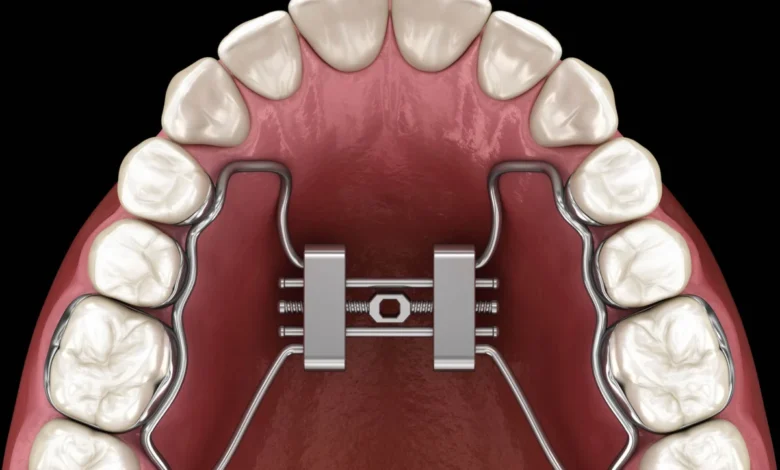
At its core, a palatal expander functions on principles analogous to those governing braces: it applies gradual, controlled pressure to the teeth and underlying jaw structures to guide them into their anatomically correct and desired positions. This device is strategically positioned across the roof of the mouth, an area medically termed the palate, and is securely anchored to the upper back teeth. The design variations of these expanders dictate their adjustment methods; some feature a small screw mechanism that is periodically turned to progressively widen the upper jaw, while others incorporate built-in springs or specialized wires that provide continuous, gentle force without requiring manual adjustments.
The primary objective of a palatal expander is to address discrepancies in the width of the upper jaw relative to the lower jaw, a condition known as transverse discrepancy. When the upper jaw is too narrow, it can lead to a host of problems including crossbites, crowding, and even airway issues. By carefully expanding the palate, orthodontists can create adequate space for permanent teeth to erupt correctly, improve the bite relationship, and optimize facial balance.
Understanding Malocclusions and the Specific Conditions Treated by Palatal Expanders
It is important to underscore that palatal expansion is not a universal orthodontic solution for every patient. Its application is typically reserved for correcting more severe malocclusions or for actively assisting in jaw development to prevent existing issues from escalating into more challenging conditions. The decision to incorporate an expander into a treatment plan is made after a thorough diagnostic evaluation by a qualified orthodontist, considering the patient’s unique skeletal maturity, dental alignment, and overall oral health.
The most common and impactful issues effectively treated by palatal expanders include:
- Posterior Crossbite: This occurs when the upper back teeth bite inside the lower back teeth. A unilateral (one-sided) crossbite can lead to an asymmetric lower jaw shift, potentially affecting facial growth and leading to temporomandibular joint (TMJ) problems over time. Bilateral (both sides) crossbites are also effectively corrected, ensuring proper chewing function and even wear on teeth.
- Dental Crowding: A narrow upper jaw often lacks sufficient space for all permanent teeth to erupt into their correct positions, resulting in crowded, overlapping, or rotated teeth. By expanding the palate, orthodontists can create the necessary arch length, often reducing or eliminating the need for tooth extractions. This is particularly beneficial for accommodating canines and premolars.
- Impacted Teeth: Teeth, most commonly canines, can become impacted (unable to erupt fully) due to a lack of space in the dental arch. Palatal expansion can widen the arch, creating the path for these impacted teeth to emerge naturally or with minor surgical assistance. This prevents more complex procedures later and preserves natural dentition.
- Breathing Difficulties: A constricted upper jaw can sometimes narrow the nasal airway and contribute to mouth breathing, snoring, and even obstructive sleep apnea, particularly in children. Expanding the palate can widen the nasal floor, improving nasal airflow and promoting healthier breathing patterns. This has significant long-term health implications beyond dental aesthetics.
- Functional Shift: In cases of unilateral crossbite, a child may unconsciously shift their lower jaw to one side to achieve a comfortable bite. This functional shift, if left uncorrected, can lead to asymmetric jaw growth and facial development, resulting in a permanent facial asymmetry. Palatal expansion addresses the underlying skeletal discrepancy, eliminating the need for the compensatory shift.
The Chronological Process: How Palatal Expanders Work Through Phases
The application of a palatal expander follows a carefully orchestrated, multi-phase process, meticulously managed by your orthodontist to ensure optimal outcomes.
- Initial Placement and Adjustment Schedule: Following a comprehensive diagnostic assessment, the orthodontist will custom-fit and securely cement the expander to the upper back molars. This initial appointment also includes detailed instructions for the patient or parent on how to activate the expander. A precise adjustment schedule, typically involving turning a small key a specific number of times per day or week, is provided. This schedule is tailored to the individual’s age, skeletal maturity, and the degree of expansion required.
- Active Expansion Phase: During this phase, the expander continuously applies gentle, incremental pressure. Each turn of the key or the inherent action of spring-loaded designs progressively widens the upper jaw. This process leverages the natural growth potential in children and adolescents, specifically targeting the midpalatal suture – a cartilaginous seam that runs down the center of the palate. In younger patients, this suture is not yet fully fused, allowing for controlled separation and new bone formation. Orthodontists closely monitor progress through regular appointments, ensuring the expansion is proceeding as planned and making any necessary adjustments to the schedule. This active phase typically lasts several weeks to a few months, depending on the individual case.
- Stabilization (Retention) Phase: Once the upper jaw has reached the desired width, the active adjustment phase ceases. However, the expander remains in place for an additional period, usually several months. This critical stabilization phase allows for the newly formed bone to solidify and mature in the widened space, preventing any relapse or narrowing of the arch. The expander acts as a passive retainer, holding the achieved expansion until the bone remodeling is complete and the jaw structure is stable. This period is crucial for the long-term success of the treatment.
- Transition to Subsequent Orthodontic Treatment: After the stabilization period, the expander is removed. This often marks the transition to the next stage of orthodontic treatment, which may involve braces or clear aligners. These subsequent appliances are then used to fine-tune the positions of individual teeth, close any remaining gaps created by the expansion, and establish a perfectly aligned bite.
Candidacy for Palatal Expansion: Age, Maturity, and Preventative Measures
Palatal expanders are most commonly and effectively utilized in growing children and young teenagers. This demographic is ideal because their midpalatal suture is still cartilaginous and pliable, allowing for relatively straightforward and biologically favorable expansion. An experienced orthodontist meticulously determines the appropriate age for a patient to undergo expansion therapy, factoring in their chronological age, skeletal maturity (often assessed through hand-wrist X-rays or cervical vertebral maturation), and gender (girls typically complete their skeletal growth earlier than boys).
Early intervention with expansion therapy can yield significant benefits, often helping to:
- Avoid Tooth Extraction: By creating adequate space, the need to remove permanent teeth to alleviate crowding is frequently circumvented.
- Prevent Tooth Impaction: Expanding the arch provides a clear path for unerupted teeth, particularly canines, to emerge naturally.
- Minimize Excessive Tooth Flaring: When teeth are pushed outwards to compensate for a narrow arch, they can become excessively flared. Expansion addresses the underlying skeletal issue, allowing teeth to be positioned more ideally.
Conversely, if transverse discrepancies are left uncorrected during a patient’s growth period, they may face several adverse consequences. These can include asymmetric jaw development, abnormal wear patterns on teeth due to an improper bite, and more complex bite problems that could ultimately necessitate more invasive treatments, such as orthognathic (jaw) surgery, in adulthood. The American Association of Orthodontists consistently recommends that parents consult with an orthodontist for an early evaluation, ideally by age seven, to determine the most suitable treatment options and intercept potential issues.
Exploring the Spectrum: Different Types of Palate Expanders
The field of orthodontics offers a variety of palatal expanders, each designed to address specific orthodontic conditions and patient needs. The choice of expander is a critical decision made by the orthodontist based on a thorough diagnosis.
- Rapid Palatal Expander (RPE): This is the most common type, typically fixed to the upper molars with bands or bonded to the teeth. It features a central screw mechanism that is turned daily or every other day by the patient or parent, creating a rapid separation of the midpalatal suture. RPEs are highly effective for growing patients and can achieve significant expansion in a relatively short period.
- Removable Palatal Expander: Less common than fixed expanders, these appliances are similar to retainers but incorporate an expansion screw. They are generally used for minor expansion needs or as part of a very early intervention plan. Patient compliance is crucial for their success, as they must be worn consistently.
- Quad Helix Expander: This fixed appliance utilizes four spring-like helices that exert continuous, gentle pressure for expansion. Unlike the RPE, it does not require daily manual adjustments by the patient. It’s often used for smaller expansions or to correct mild crossbites.
- Haas Expander: Similar to the RPE, the Haas expander features acrylic pads that contact the palatal tissue, distributing forces more broadly across the palate in addition to the teeth. This can sometimes lead to more skeletal expansion and less dental tipping, although modern RPEs often achieve similar results.
- Surgically Assisted Rapid Palatal Expander (SARPE): For adult patients whose midpalatal suture has fully fused, traditional RPEs are often ineffective without surgical intervention. SARPE involves a minor surgical procedure to release the resistance of the fused suture, allowing a conventional RPE to then widen the jaw. This procedure is typically performed by an oral surgeon in conjunction with the orthodontist.
- Mini-screw Assisted Rapid Palatal Expander (MARPE/MSE): A newer technique, MARPE involves anchoring the expander directly to the palatal bone using small temporary anchorage devices (TADs or mini-screws) in addition to or instead of teeth. This approach can achieve significant skeletal expansion with less reliance on dental tipping, making it a viable option for some older adolescents and adults without requiring full surgical intervention like SARPE.
The Patient Experience: Navigating Life with a Palatal Expander
Adjusting to a palatal expander is a common and manageable part of the orthodontic journey. It is entirely normal for patients to experience a sensation of pressure, a "full" feeling within the mouth, or mild tenderness when the expander is first placed or after an adjustment. These sensations are indicative of the appliance actively working to reshape the jaw. Many patients also report temporary changes in speech patterns, such as a lisp, and an initial increase in saliva production as the mouth adapts to the new appliance. These physiological responses typically subside as the mouth acclimates to the expander.
Eating and Cleaning with an Expander:
Maintaining oral hygiene and making dietary adjustments are crucial during the expansion phase:
- Dietary Modifications: Patients are generally advised to avoid sticky, chewy, or hard foods that could damage the expander or become lodged in its components. Foods like caramel, gum, hard candies, and very crunchy snacks should be temporarily excluded from the diet. Soft foods are recommended, especially after adjustments.
- Thorough Cleaning: Meticulous oral hygiene is paramount. Food particles can easily become trapped around the expander, leading to plaque buildup and potential cavities or gum irritation. Patients should brush thoroughly after every meal, paying extra attention to the areas around the bands and under the expander. Water flossers or specialized orthodontic brushes can be highly effective in dislodging debris. Regular rinsing with an antimicrobial mouthwash may also be recommended by the orthodontist.
- Speech Practice: To overcome temporary speech impediments, practicing reading aloud or engaging in regular conversation can help the tongue quickly adapt to the presence of the expander.
Addressing Common Inquiries About Palatal Expanders
Patients and parents frequently have questions regarding the duration, comfort, and long-term implications of palatal expansion. Addressing these concerns directly provides clarity and reassurance.
How long does one typically wear a palatal expander?
The total duration of wear varies significantly depending on the individual patient’s needs and the specifics of their treatment plan. The active adjustment phase, during which the jaw is actively widening, typically lasts several weeks to a few months. Following this, the expander usually remains in place for an additional three to six months as a passive retainer to allow the newly formed bone to stabilize and solidify. Your orthodontist will provide a clear, personalized timeline based on the progress of your treatment.
Is a rapid palatal expander painful?
Most patients describe the sensation of wearing an expander, especially during initial placement and after adjustments, as pressure or mild soreness rather than sharp, debilitating pain. This discomfort is generally manageable with over-the-counter pain relievers and usually subsides within a few days of an adjustment. If the discomfort feels severe, persistent, or does not improve, it is imperative to contact your orthodontist’s office immediately.
Will a palatal expander affect speech?
Yes, a palatal expander can temporarily alter speech patterns, often causing a lisp or slight difficulty in articulating certain sounds. This occurs because the tongue needs time to adjust its resting position and movement patterns in the widened oral cavity. However, the vast majority of patients notice significant improvement as they practice speaking and adapt to the appliance. Speech therapy exercises, if needed, can also assist in this adaptation.
Can adults undergo palatal expansion?
While palatal expansion is most effective in growing patients, some adults may indeed be candidates for expansion approaches. However, the treatment options and physiological mechanisms differ considerably from those for children. In adults, the midpalatal suture is fully fused and rigid, meaning traditional rapid palatal expanders alone are generally insufficient. Adult expansion often requires surgical assistance (SARPE) or the use of mini-screw assisted expanders (MARPE/MSE) to achieve skeletal widening. An orthodontist can thoroughly explain what is anatomically possible based on an adult patient’s jaw structure, skeletal maturity, and treatment goals.
Are palatal expanders safe and effective?
Unequivocally, yes. Palatal expanders have been a cornerstone of orthodontic treatment for many decades and are widely recognized as safe and highly effective tools for addressing a range of orthodontic issues. Their safety and efficacy are maximized when treatment is planned and supervised by a skilled orthodontic specialist. While some initial discomfort during the adjustment period is common, it is typically minimal and transient. With proper care, diligent cleaning, and regular check-ups by an orthodontist, expanders are incredibly effective in achieving their intended corrective outcomes. They represent a fantastic and indispensable tool in an orthodontist’s arsenal and frequently play a pivotal role in correcting complex orthodontic problems and optimizing overall oral health.
Benefits Beyond the Bite: Broader Impact and Implications
The positive ramifications of palatal expansion extend far beyond simply correcting a misaligned bite or creating space for teeth. The broader implications for a patient’s health and well-being are significant:
- Improved Airway Function: As mentioned, widening the palate can expand the nasal airway, facilitating easier nasal breathing. This can significantly reduce instances of mouth breathing, snoring, and even alleviate symptoms of mild to moderate obstructive sleep apnea in children, contributing to better sleep quality and overall health.
- Enhanced Facial Aesthetics and Symmetry: By correcting transverse discrepancies, palatal expansion can contribute to more balanced and harmonious facial development. Addressing functional shifts early prevents long-term facial asymmetry, leading to a more symmetrical and aesthetically pleasing facial structure.
- Better Speech Development: While temporarily affecting speech, long-term correction of jaw width can improve the tongue’s ability to articulate sounds properly, leading to clearer speech, especially when the narrow arch was contributing to speech impediments.
- Reduced Risk of TMJ Issues: An unbalanced bite caused by a narrow upper jaw can place undue stress on the temporomandibular joints. Correcting the transverse relationship through expansion can alleviate this stress, potentially reducing the risk of developing painful TMJ disorders later in life.
- Prevention of Future Complexities: Early intervention with a palatal expander can prevent minor issues from progressing into severe malocclusions that would require more extensive, invasive, and costly treatments, such as jaw surgery, in adulthood. This proactive approach saves time, discomfort, and financial resources.
The Crucial Role of Orthodontic Expertise
The successful implementation of palatal expansion therapy hinges entirely on the expertise and careful supervision of a qualified orthodontist. These specialists possess the in-depth knowledge of craniofacial growth and development, biomechanics, and treatment planning necessary to accurately diagnose transverse discrepancies and determine the most appropriate type of expander and treatment protocol for each unique patient.
An orthodontist’s role encompasses:
- Precise Diagnosis: Utilizing diagnostic records such as X-rays, 3D scans, and clinical examinations to assess skeletal maturity and the exact nature of the malocclusion.
- Customized Treatment Planning: Designing a tailored treatment plan that considers all aspects of the patient’s oral and facial health.
- Appliance Fabrication and Placement: Ensuring the expander is custom-made and fitted with precision for maximum efficacy and comfort.
- Ongoing Monitoring and Adjustment: Regularly evaluating progress, making necessary modifications to the adjustment schedule, and addressing any patient concerns.
- Integration with Overall Orthodontic Care: Seamlessly incorporating the expansion phase into the broader orthodontic treatment plan, which may include braces or aligners.
The American Association of Orthodontists (AAO) consistently advocates for seeking care from a board-certified or eligible orthodontist. This ensures that patients receive treatment from professionals who have undergone rigorous specialized training beyond dental school, focusing exclusively on orthodontics. This level of expertise is critical for safe, effective, and predictable outcomes in treatments like palatal expansion.
Visit an AAO Orthodontist to Learn If Palatal Expansion Is Right for You
If you suspect that you or your child might benefit from a palatal expander, the most prudent initial step is to schedule a comprehensive evaluation with a qualified orthodontist. An early assessment can provide invaluable insights into jaw development and potential orthodontic needs. To locate an AAO orthodontic specialist conveniently near you and arrange a consultation, visit the AAO Orthodontist locator at aaoinfo.org/locator/. Taking this proactive step can pave the way for a healthier, more aligned smile and improved overall oral and facial function.